The lines that finish a room
Trim & Molding Painting in Grand Rapids
Trim frames every room. Smooth doors, clean baseboards, and crisp casings can make wall colors feel more deliberate while giving architectural details the attention they deserve.
01
What this service includes
- Trim scope review for doors, frames, base, and molding
- Cleaning, scuff sanding, and selected defect repair
- Caulking of appropriate stationary joints
- Compatible primer where adhesion requires it
- Application of specified trim coating and sheen
- Masking and protection of floors, walls, and furnishings
- Final inspection of edges and transitions
Ready for trim & molding in West Michigan?
Share your rooms, surfaces, or elevations — we'll help define scope and next steps.
In depth
Service overview
Overview
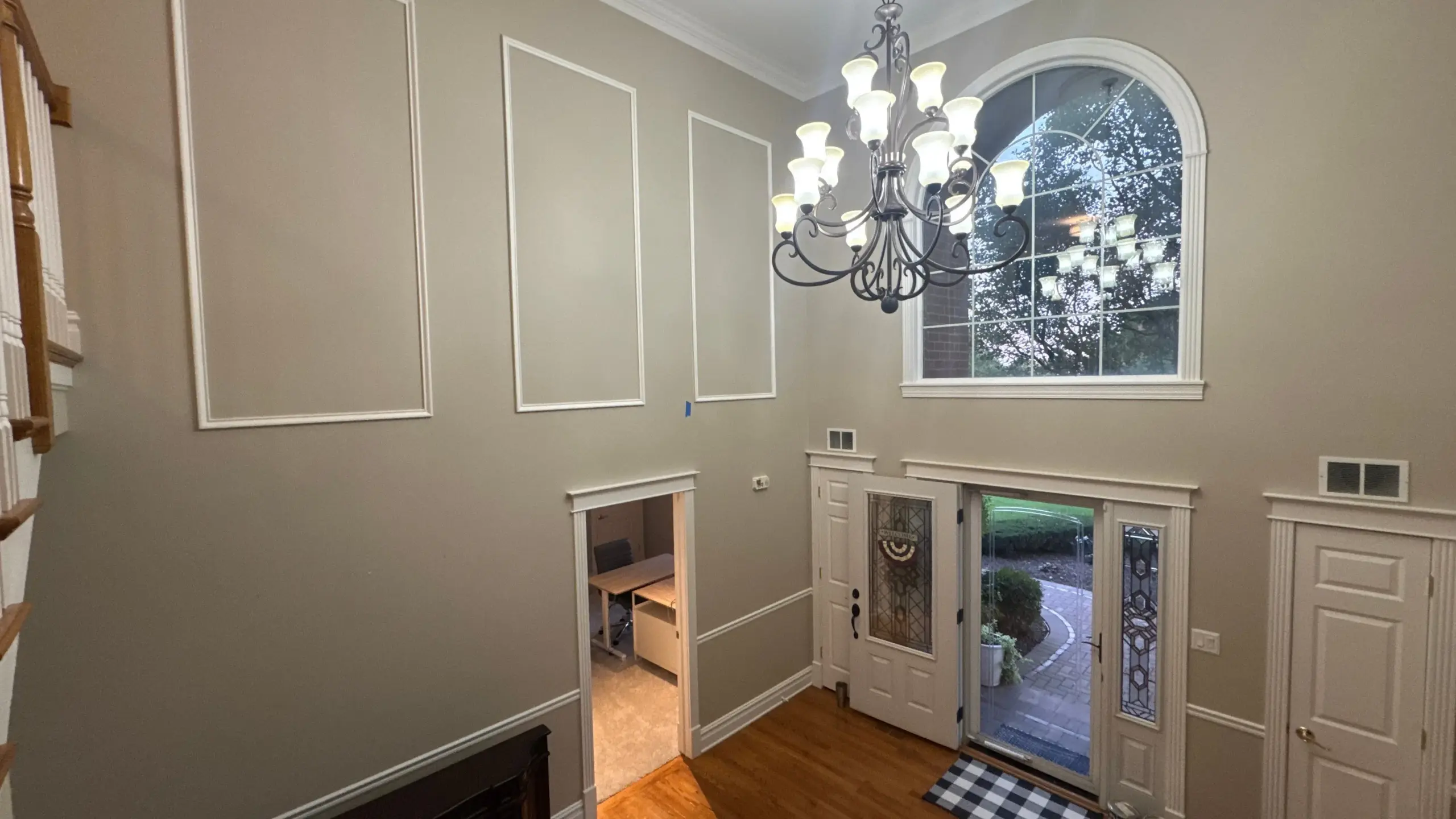
Trim and molding are the architectural lines that tell your eye how a room is framed. Baseboards ground the wall plane. Casings define openings. Crown molding, chair rail, panel molding, and built-ins add rhythm and detail that separate a finished interior from one that simply has colored walls. When trim is scuffed, yellowed, glossy with old enamel, or inconsistent from room to room, even a fresh wall color can feel incomplete.
Grand Rapids Painting Services approaches trim work with the preparation discipline it deserves. Trim collects dust, cleaning residue, hand oils, shoe marks at baseboards, and impacts from daily life. Previously coated woodwork may be glossy or layered with older paints that require scuff sanding and compatible primer for reliable adhesion.
An estimate should identify both sides and edges of doors, jambs, windows, baseboards, crown, chair rail, panel molding, closets, and built-ins where applicable. Hardware handling, window operation, and occupied-room access are discussed before work begins.
Benefits
Fresh trim paint clarifies contrast between walls and woodwork, making color choices feel intentional rather than accidental. Updating trim without changing wall color can still modernize a room, especially when dated honey stain or chipped enamel is replaced with a cleaner white or warm neutral.
Doors and frames receive constant contact, so durable sheen selection matters at least as much as hue. Higher-traffic doors may benefit from a more washable finish than decorative crown in a formal dining room. Coordinating trim sheen with cabinet painting in kitchens and baths can unify the hardest-working surfaces in the home.
Trim painting also completes the visual effect after drywall repair or interior painting. Crisp lines at transitions are often what homeowners notice most once furniture returns.
Preparation and process
Preparation begins with cleaning and assessing adhesion. Nail holes, dents, peeling edges, and open joints are addressed. Caulk is useful for suitable stationary gaps but should not be used to disguise structural movement or failed carpentry. Deep damage or loose trim may need repair before painting.
Color and sheen conversations are part of scope planning. White trim is familiar, but warm neutrals, tonal schemes, and deeper contrast can tailor a room’s mood. Sheen influences both durability and how strongly surface imperfections show.
Trim work can be sequenced before or after walls and ceilings depending on coatings, masking, and repair needs. The estimate defines the order so rework is minimized. Protection of floors, carpets, and adjacent wall surfaces remains a priority throughout.
Michigan and West Michigan considerations
Older Grand Rapids homes often feature layered casings, built-ins, stair details, and historic profiles that require patient hand work. Newer construction in communities such as Kentwood, Walker, and Caledonia may rely on simpler builder trim packages, but volume of doors and base footage can still make trim a substantial portion of the project.
Seasonal humidity can affect curing and joint movement. Small seasonal gaps at trim joints are not uncommon in wood construction; we distinguish between normal movement and conditions that suggest carpentry repair is needed first.
Homes with stained trim undergoing a paint conversion need extra attention to tannin bleed, grain telegraphing, and primer selection. Expectations for how smooth a painted finish will appear over natural grain should be discussed before approval.
Who it is for
Trim and molding painting serves homeowners completing a room refresh, owners updating dated stained woodwork, sellers creating cleaner transitions for showings, and anyone who painted walls but still sees tired doors and baseboards at the perimeter. It is also valuable in renovations where new drywall meets existing trim that must be unified.
Standalone trim projects are possible when surrounding walls can be protected and the woodwork is suitable for coating without full room repainting.
What affects cost and timeline
Trim estimates reflect door count, linear footage, profile complexity, and preparation depth. A home with many six-panel doors, tall baseboards, crown in multiple rooms, and built-ins requires more detail time than a compact ranch with flat casing and limited molding.
Whether walls and ceilings are painted in the same phase, whether hardware is removed, and how glossy or damaged the existing finish is all influence schedule. Multi-coat enamel systems and cure times may extend the window before normal use, especially on doors.
Partial trim updates—painting main-floor doors while upstairs retains old stain, for example—can create unintended contrast when viewed from hall openings. We can help prioritize which rooms and openings matter most for sight-line consistency in open floor plans common across West Michigan subdivisions. Labeling hardware during removal prevents mismatched hinges and latches when dozens of doors are included in a single project phase.
Stained-to-painted trim conversions in older Grand Rapids homes may require additional primer coats to manage tannin bleed—expectations for final smoothness should be confirmed before work is approved.
For a trim-specific scope review, contact us with photos of representative doors, baseboards, and any peeling or stained areas you want addressed.
Project examples
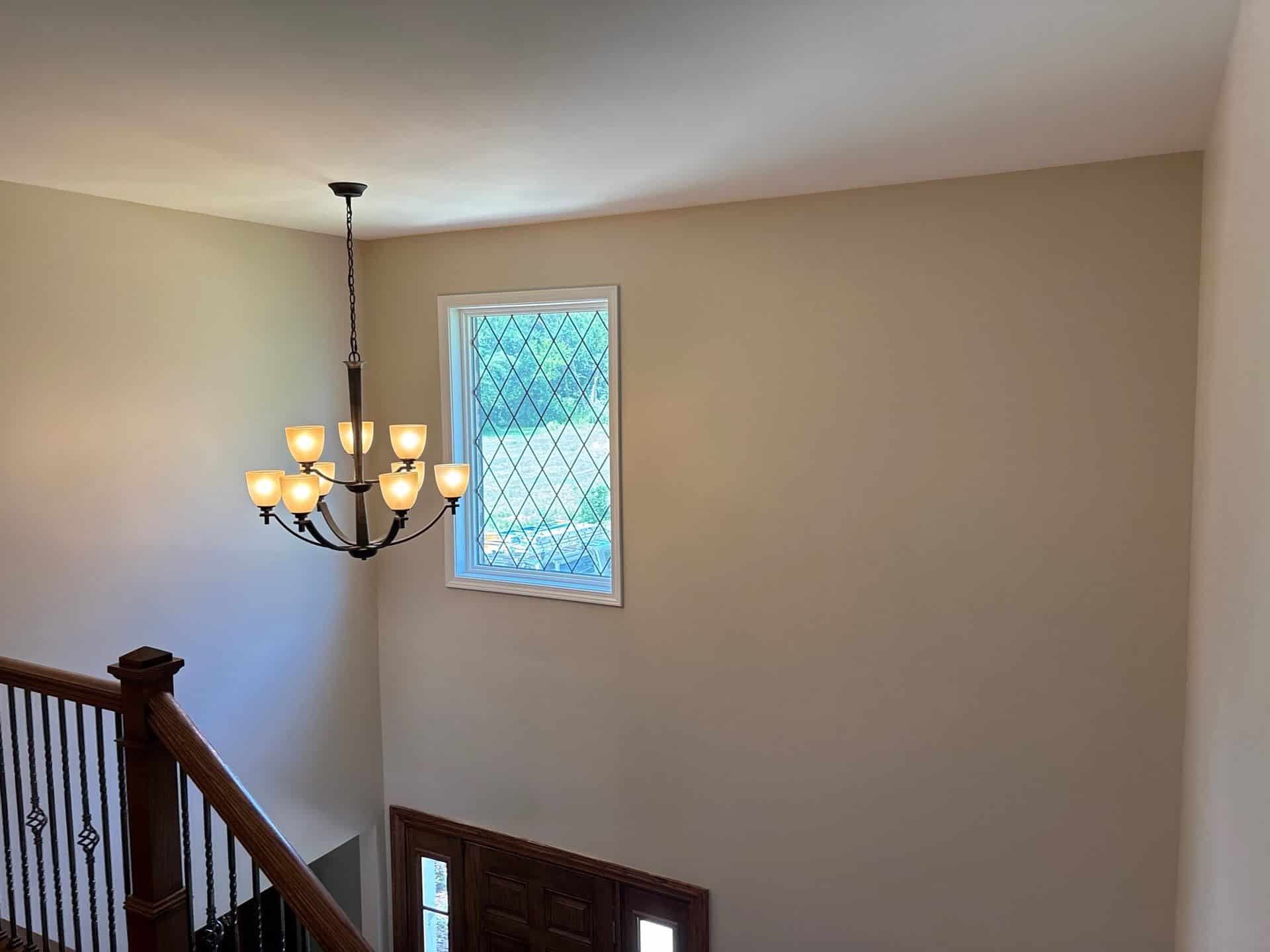
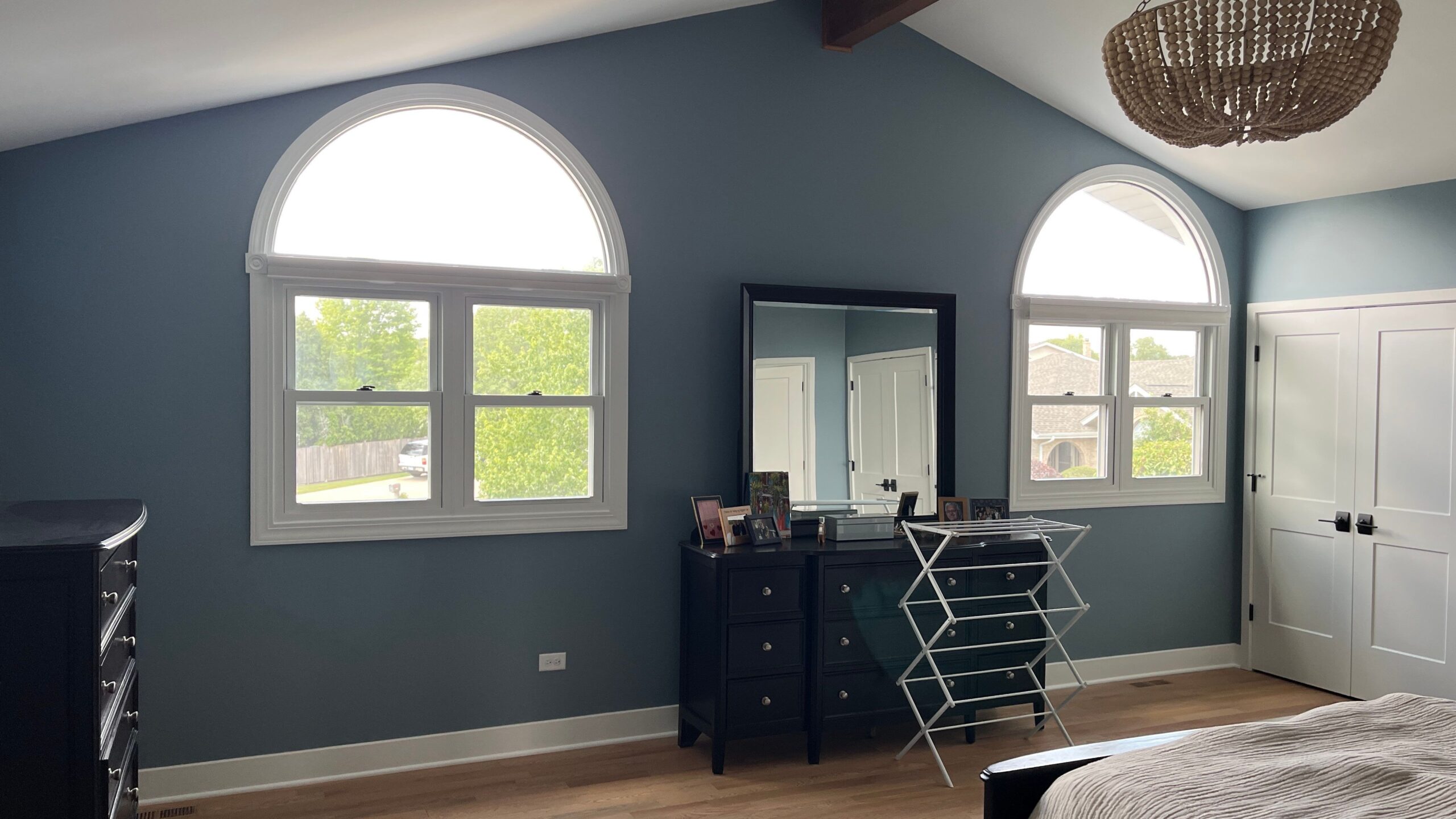
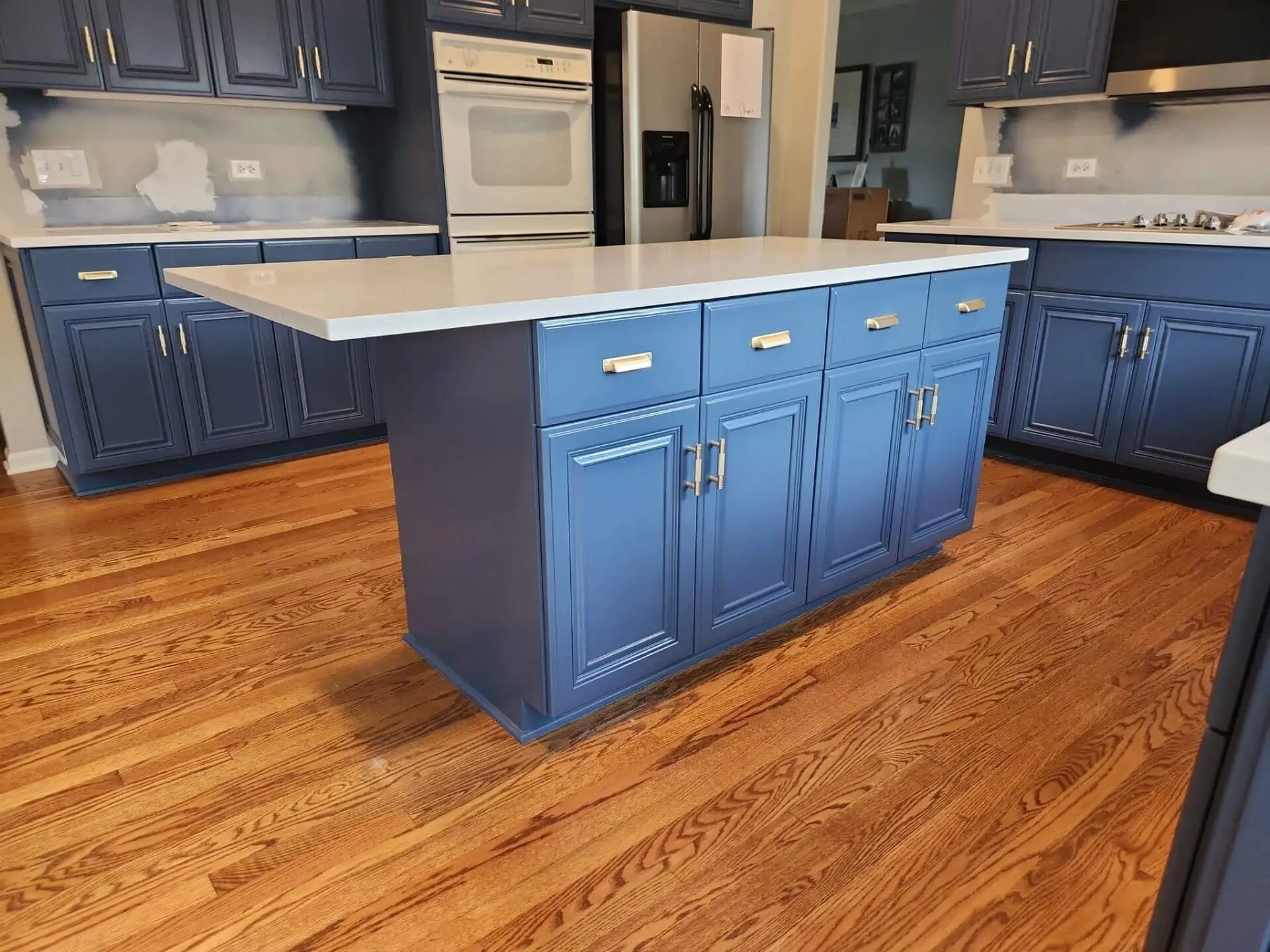
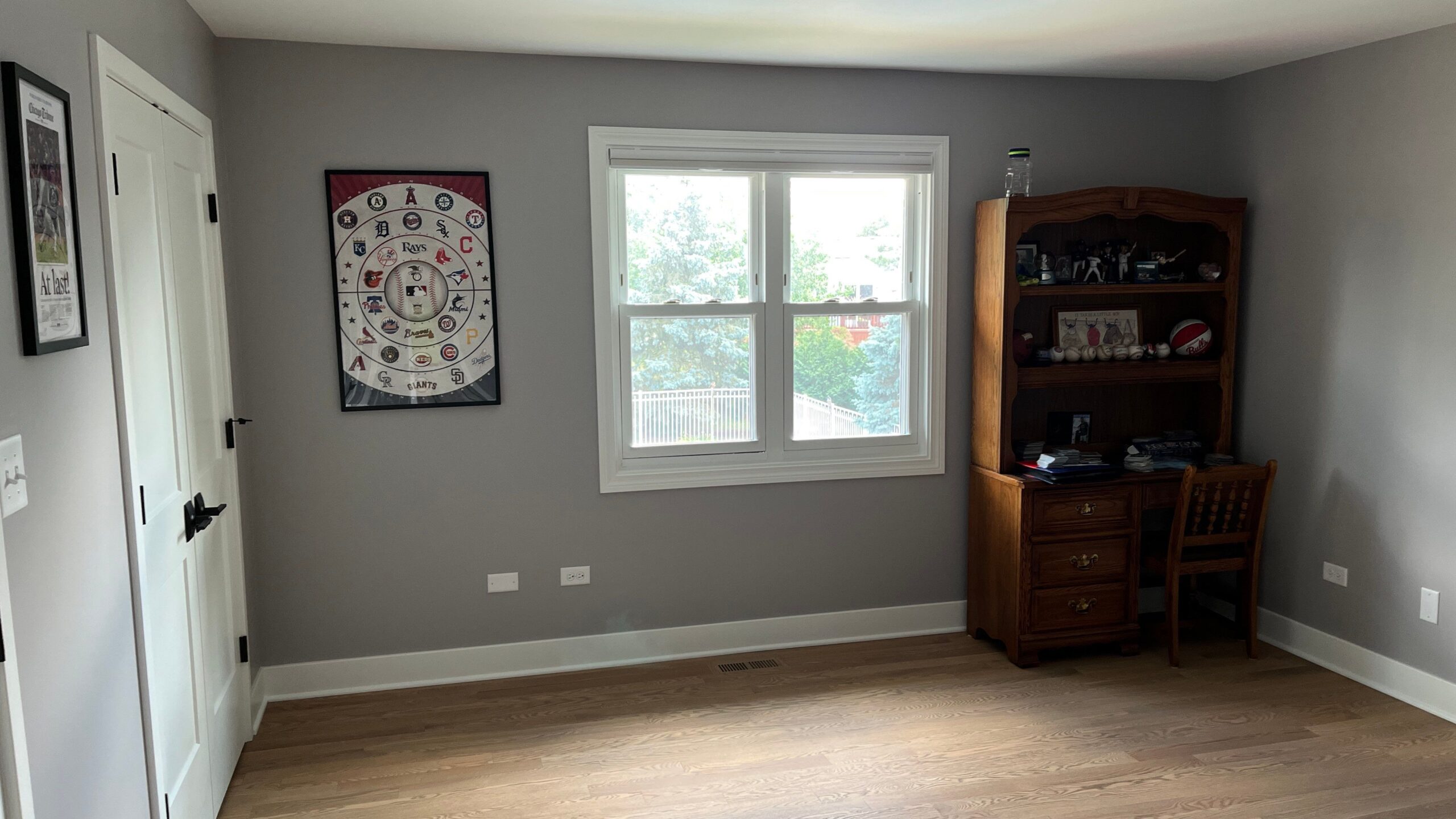
Trim & Molding inspiration
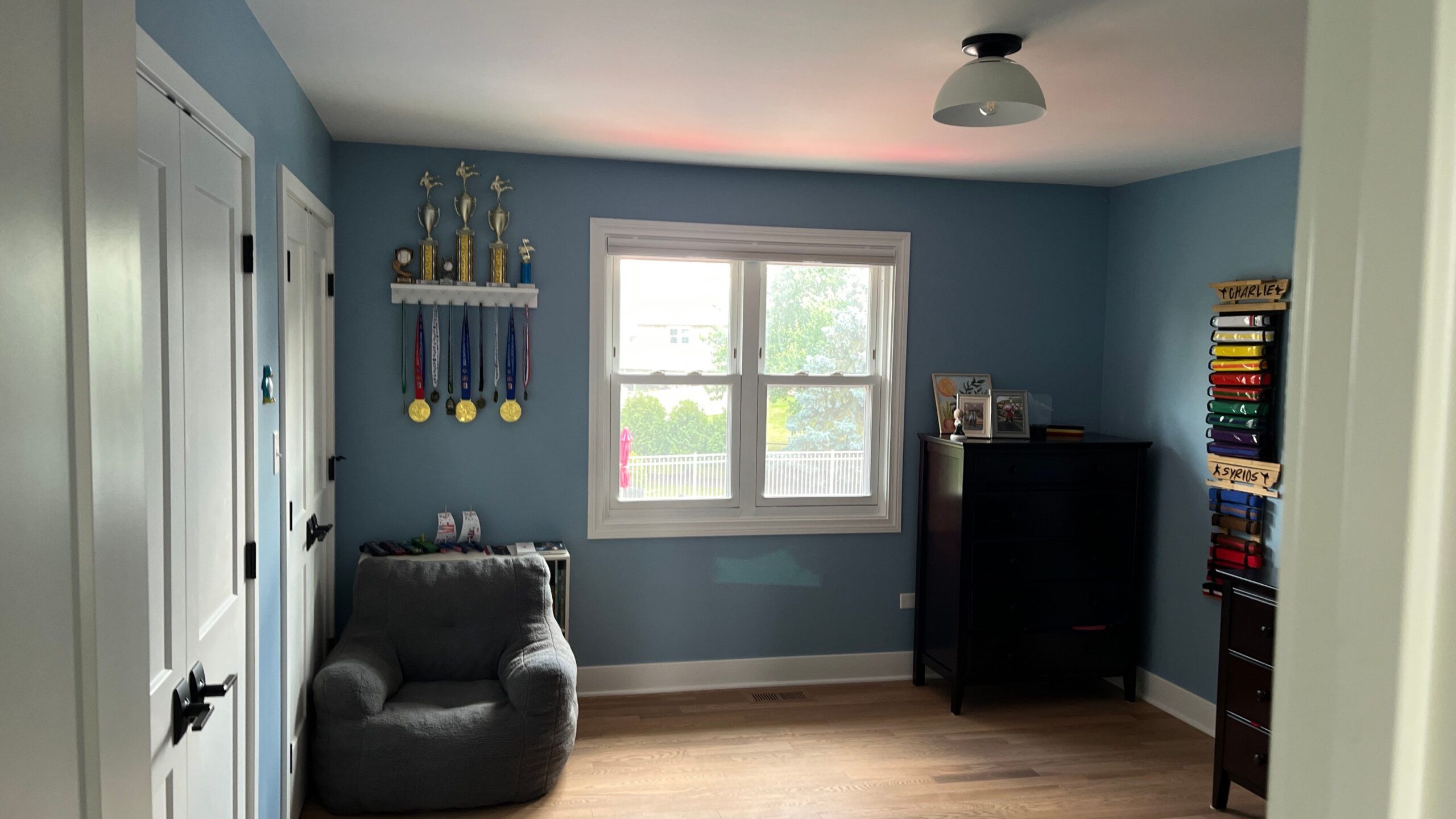
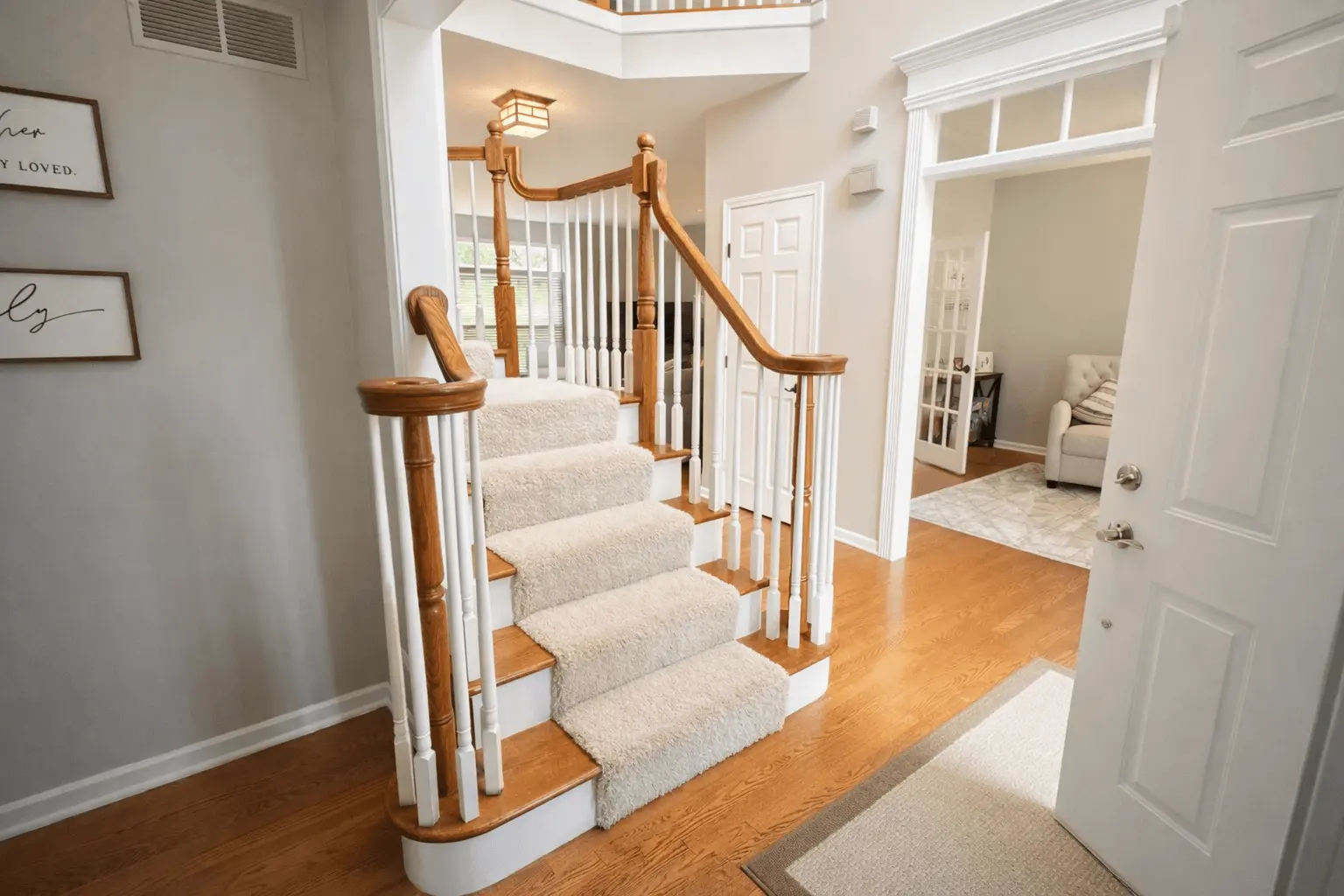
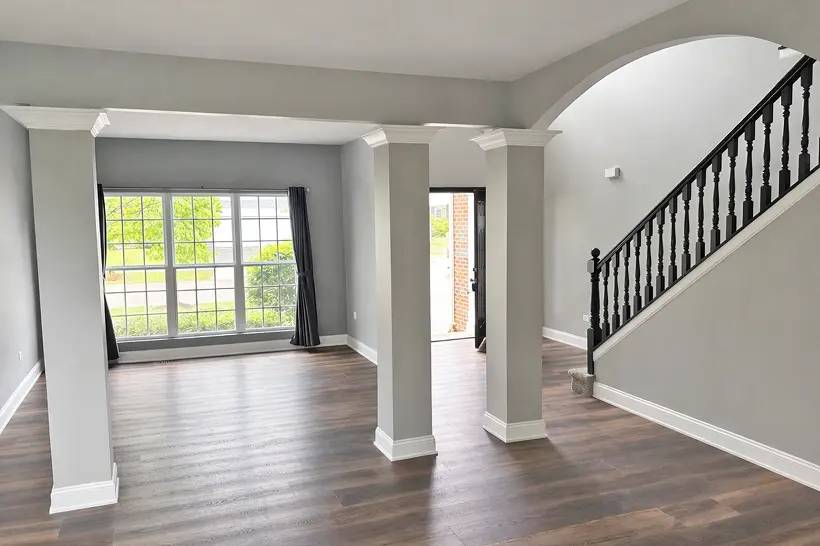
Recent examples of finishes, color direction, and surface types we discuss during trim & molding estimates.
Questions about timing or cost?
We can walk through preparation, access, and what affects your estimate before work begins.
Our process
How we approach trim & molding projects
- 01
Trim inventory
We identify which doors, casings, baseboards, crown, and built-ins are included so scope matches expectations.
- 02
Surface evaluation
Gloss level, contamination, peeling, open joints, and damage are reviewed to define preparation needs.
- 03
Preparation
Surfaces are cleaned, sanded, filled, caulked where suitable, and primed when necessary for adhesion.
- 04
Application
Trim and doors receive controlled coats with attention to profiles, edges, and handling marks.
- 05
Transition review
Cut lines against walls and ceilings are reviewed so the architectural lines read cleanly in the space.
Planning
What affects cost and timeline
- Linear footage and number of doors included
- Trim profile complexity and built-in details
- Existing finish type and preparation depth
- Whether walls and ceilings are painted in the same project
- Hardware removal and masking requirements
- Sheen selection and number of coats
Useful details
Trim & Molding FAQs
Can stained wood trim be painted?
Often, but the finish and condition must be evaluated. Cleaning, sanding, sealing, and bonding primer may be required.
Should trim be painted before or after walls?
Either sequence can work. The best order depends on repairs, coating types, masking, and the broader project.
Do you fill every dent and grain line?
The preparation level is defined in the estimate. Natural grain and deeper wear may remain unless a more extensive smoothing scope is agreed.
Are doors included with room painting?
Not automatically. Doors, frames, baseboards, and other trim should be listed explicitly in the scope.
Can you paint just the trim?
Yes, when the surrounding surfaces can be protected and the trim is suitable for coating.
Start with a clear estimate
Planning trim & molding painting in West Michigan?
Tell us what you are planning. We’ll help define the right scope and next step for your property.