A calmer way to improve your home
Residential Painters in Grand Rapids, MI
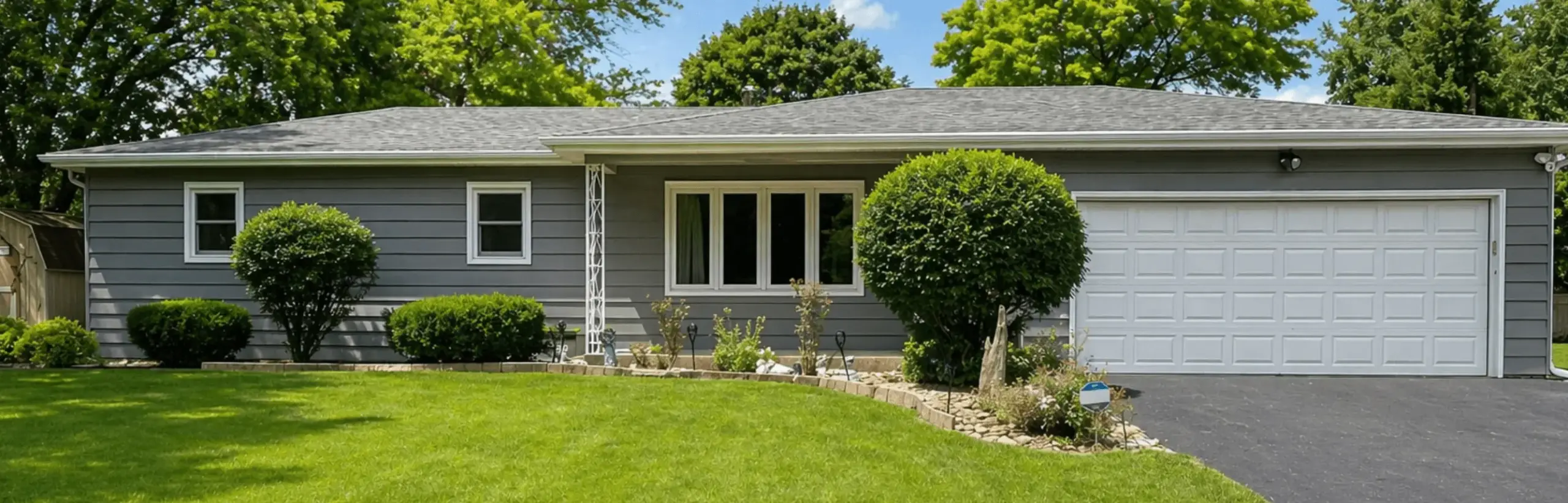
Residential painting should respect both the building and the people living in it. We organize interior and exterior scopes around the home's condition, your priorities, and a practical sequence.
01
What this service includes
- Whole-home or partial residential scope planning
- Interior and/or exterior surface evaluation
- Written estimate with defined inclusions and exclusions
- Protection of interior furnishings and exterior landscaping
- Preparation matched to each surface type
- Coordinated sequencing for occupied homes
- Final review of completed residential areas
Ready for residential in West Michigan?
Share your rooms, surfaces, or elevations — we'll help define scope and next steps.
In depth
Service overview
Overview
Residential painting covers the full life of a home—inside and out. Unlike a single-room refresh or one elevation of siding, a residential scope often involves multiple surfaces, different coating systems, and the practical reality of people living in the space while work is underway. Grand Rapids Painting Services plans residential projects around how the home is built, how it is used, and what you want to change first.
A whole-home repaint before a move, a pre-listing refresh, a post-renovation color reset, or a carefully phased update spread across seasons all qualify as residential work. Each scenario demands a different sequence. Exterior protective work may need to happen before winter, while interior public rooms may take priority before guests arrive. The estimate is where those priorities become a written plan.
West Michigan homes vary widely in age and character. A 1920s Craftsman near Fulton Street, a mid-century ranch in Wyoming, and a new build in Caledonia each present different prep conversations, even when the homeowner’s goal is simply a more cohesive palette.
Benefits
Coordinated residential painting creates visual continuity from the entry through primary living spaces and, when exterior work is included, from curb to front door. Interior walls, ceilings, trim, and cabinets can be aligned so remodeled areas no longer feel disconnected from older rooms. Outside, body color, trim, doors, and porch details can be refreshed as a set rather than as unrelated decisions made over several years.
For occupied households, the biggest benefit of a residential plan is predictability. Knowing which rooms are next, how long they will be out of service, and what needs to be moved in advance reduces daily friction. For investment properties and move-in projects, a defined scope helps avoid the common trap of repainting only the most visible areas while leaving secondary spaces unfinished.
Residential painting also creates a natural moment to address minor repairs, dated sheen choices, and surfaces that have been touched up repeatedly with mismatched color.
Preparation and process
Residential projects begin with a walkthrough that treats interior and exterior as related but distinct scopes. Inside, we note plaster or drywall condition, trim profiles, ceiling texture, cabinet finish, and furniture layout. Outside, we review siding material, trim failure, drainage patterns, landscaping access, and weather exposure by elevation.
Preparation is matched to each surface rather than applied as a generic checklist. Interior work may include patching, sanding, caulking stationary joints, and spot priming. Exterior work may require scraping, priming bare wood, renewing caulk, and cleaning surfaces when appropriate. Protection plans cover floors, furnishings, plants, and hardscape according to the areas in progress.
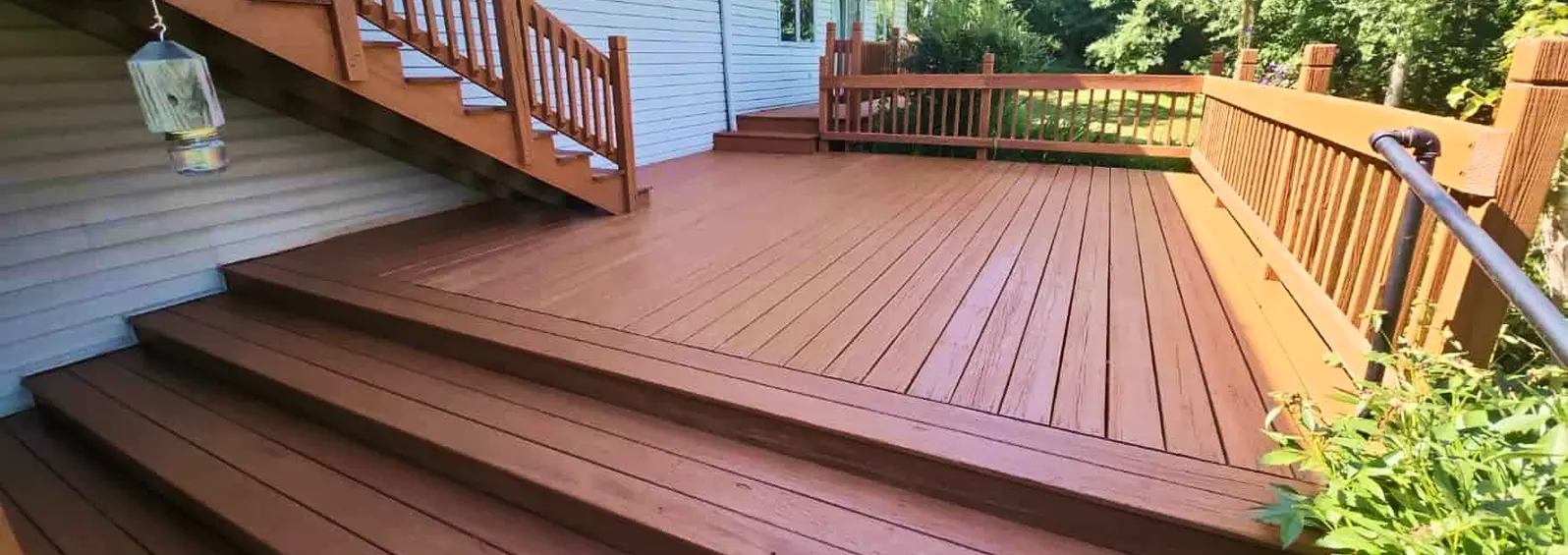
Execution can be phased by floor, by wing, by interior-versus-exterior season, or by urgency. Related services such as interior painting, exterior painting, cabinet painting, ceiling painting, and deck and fence staining are connected explicitly in the scope so nothing is assumed simply because it is nearby.
Michigan and West Michigan considerations
Kent County’s housing stock reflects more than a century of building styles. Older homes may include plaster walls, built-ins, layered trim coatings, and detailed millwork that reward patient preparation. Newer homes may feature tall open plans, builder-grade finishes, and frequent drywall seams that become visible under certain colors and sheens.
Seasonality matters for residential work. Interior projects can often continue through winter with attention to ventilation and drying conditions. Exterior phases depend on temperature, moisture, and curing windows that change week to week in West Michigan. A residential plan that sequences interior rooms during colder months and exterior elevations during suitable weather can keep progress moving without forcing unsafe application.
Humidity from bathrooms, kitchens, and past water events should be resolved before cosmetic work is treated as complete. Lake-effect weather and long periods of snow contact also influence how exterior wood and trim perform over time.
Who it is for
Residential painting is for homeowners who want one accountable plan for a meaningful share of the property—not a piecemeal series of small jobs with inconsistent prep standards. It fits move-in refreshes, whole-home color updates, pre-sale improvements, post-remodel finishing, and long-term maintenance strategies that address both inside and outside surfaces over time.
It is also useful when multiple decision-makers need clarity. Families, landlords, and household members coordinating around pets, remote work, or school schedules benefit from a written sequence and realistic expectations about access and drying.
If you are unsure whether to start inside or outside, the estimate conversation can compare disruption, urgency of coating failure, and weather timing.
What affects cost and timeline
Residential estimates reflect total surface area, condition, access, and how many distinct coating systems are involved. A home with tall foyer walls, extensive trim, and a two-story exterior requires more labor than a compact ranch with limited trim detail, even if the square footage appears similar on paper.
Occupied-home sequencing adds logistical complexity but often avoids the cost and inconvenience of moving out. Weather can pause exterior phases while interior work continues, or vice versa depending on the plan. Color changes, repair discovery, and product selection can all influence both budget and schedule.
The most useful estimate is one that states what is included, what is excluded, and what conditions could change the scope after preparation begins. Contact us to discuss your home, timing, and whether a phased residential plan is the right fit.
Project examples
Residential inspiration
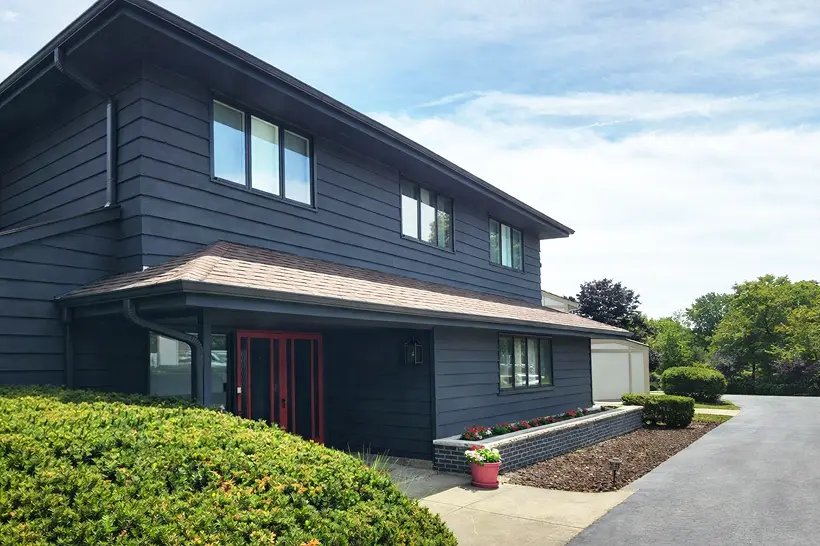
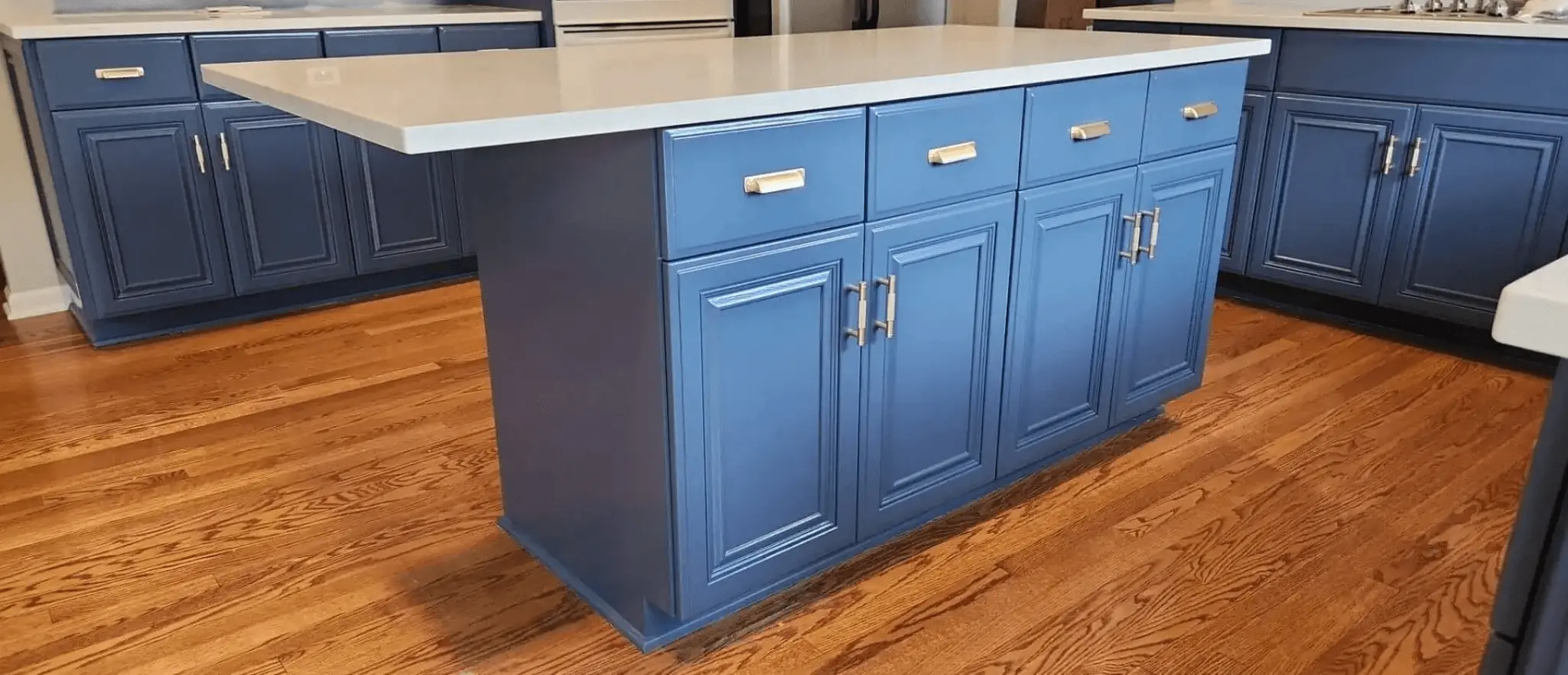
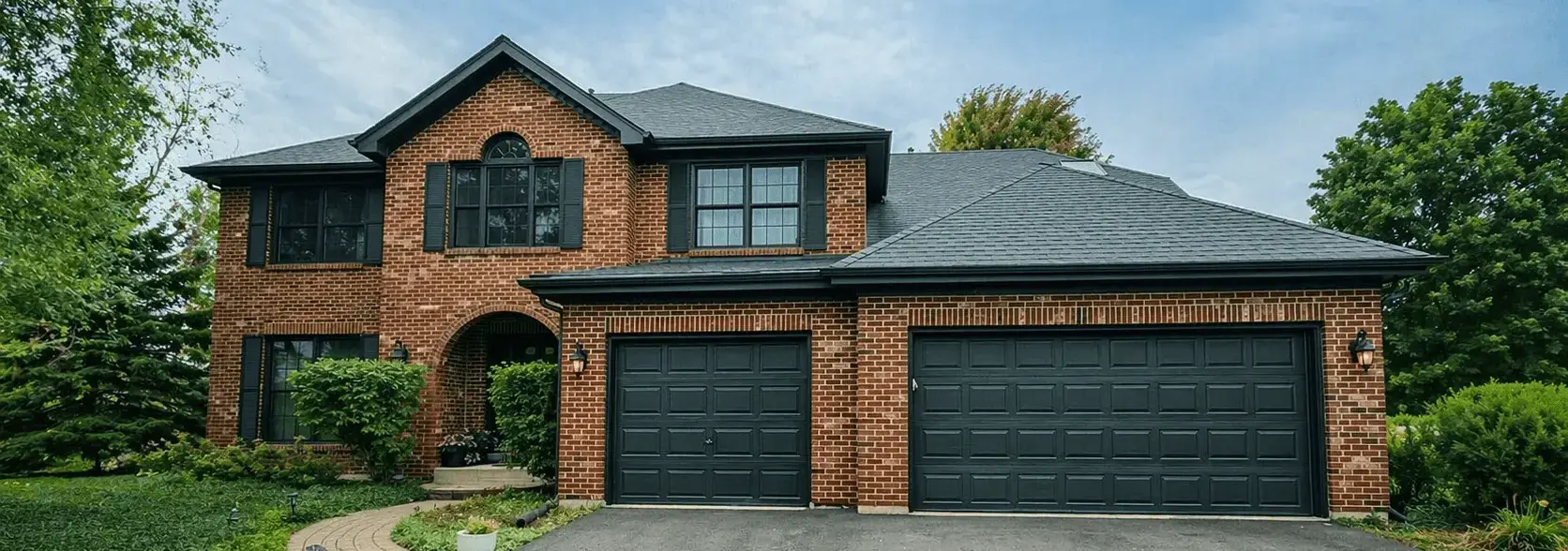
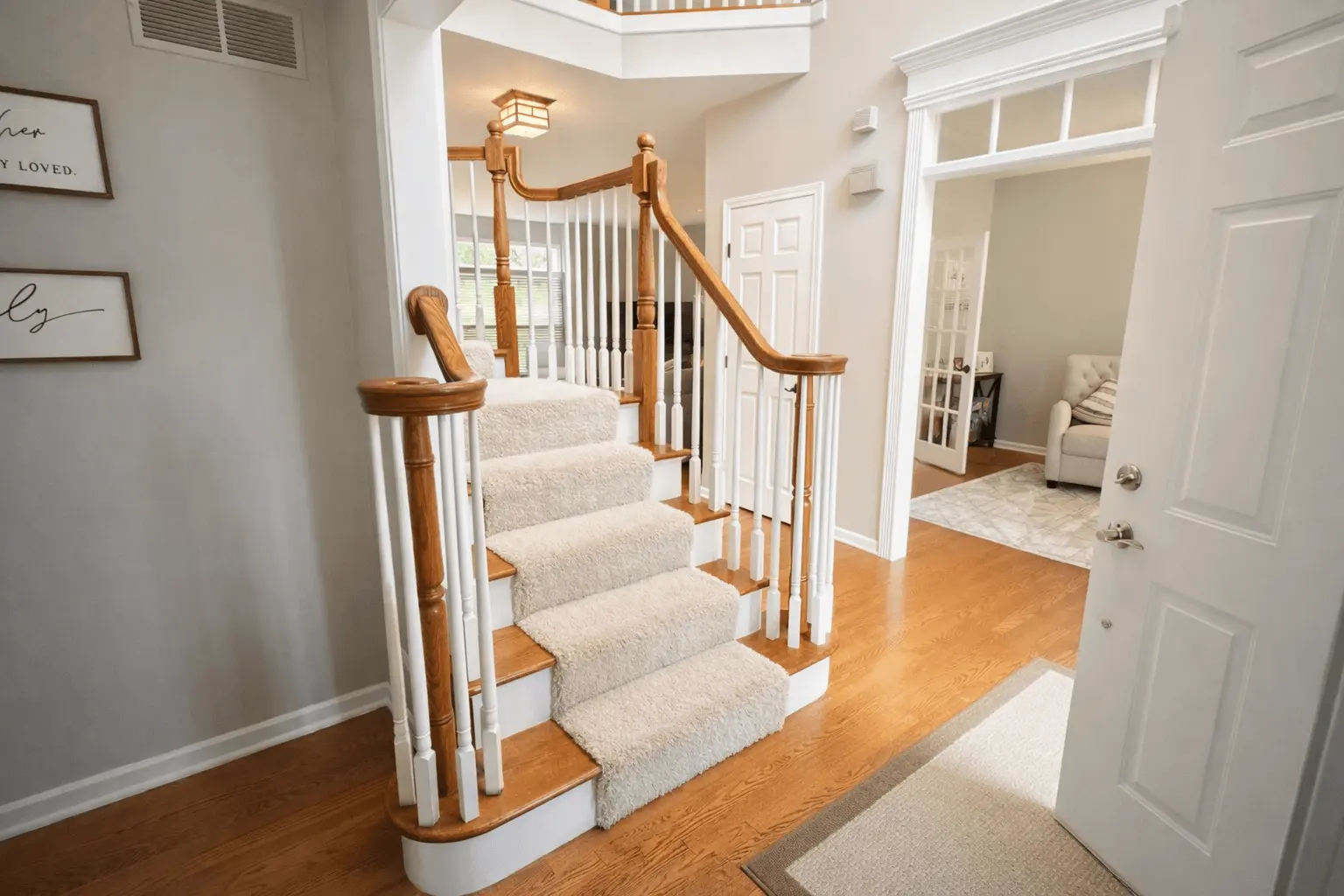
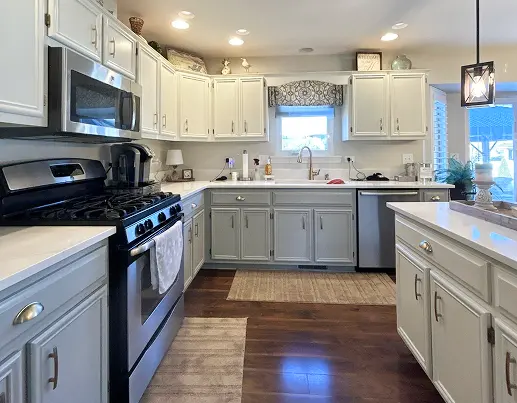
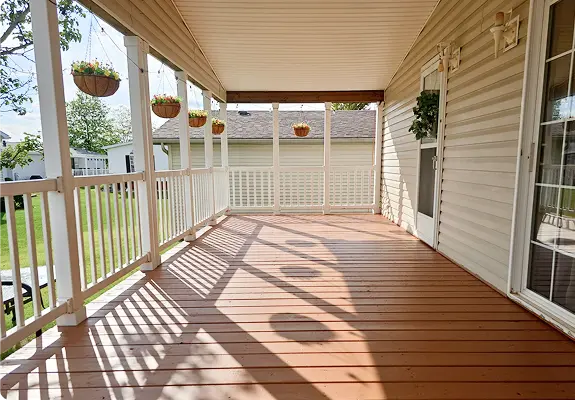
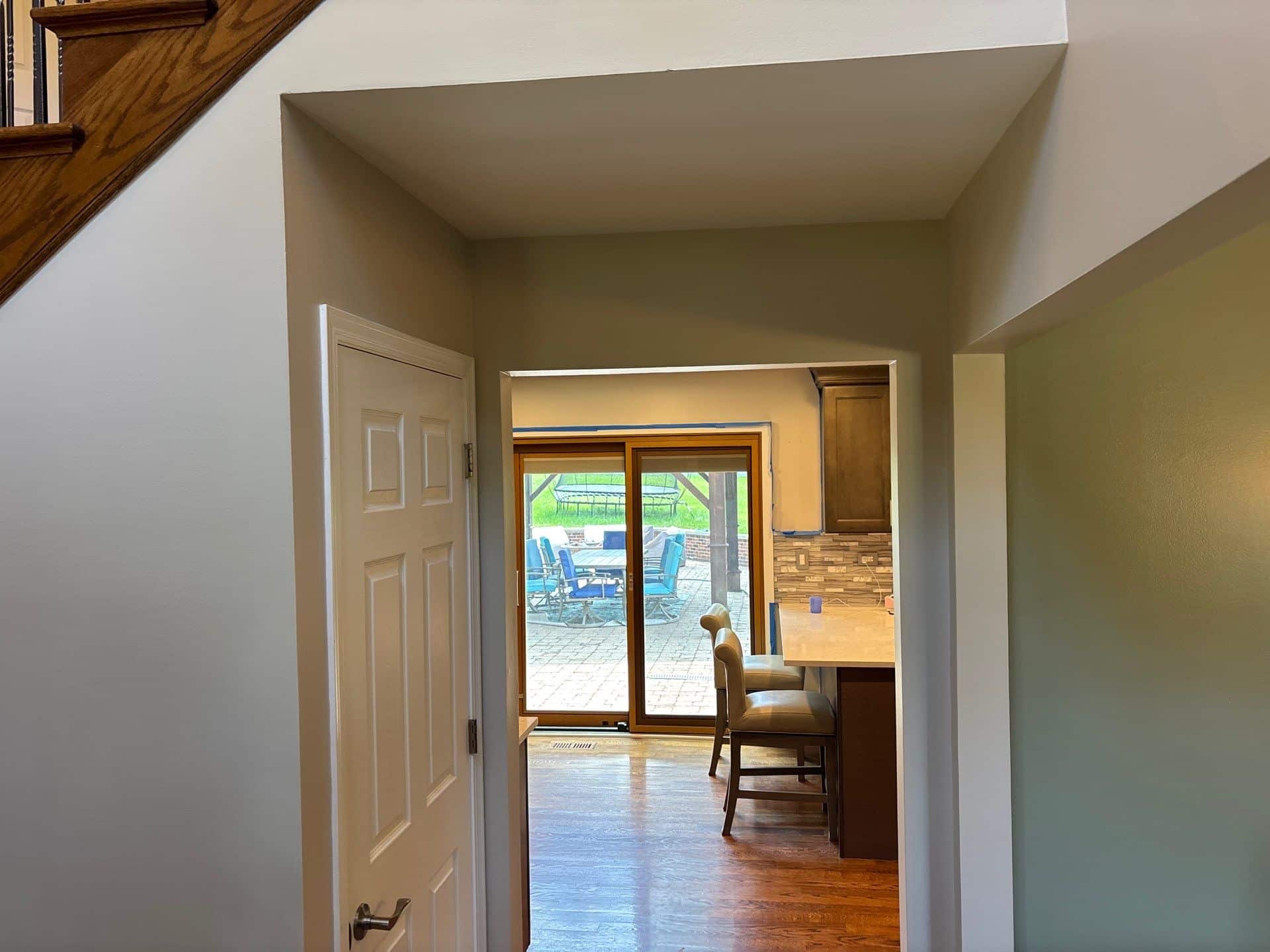
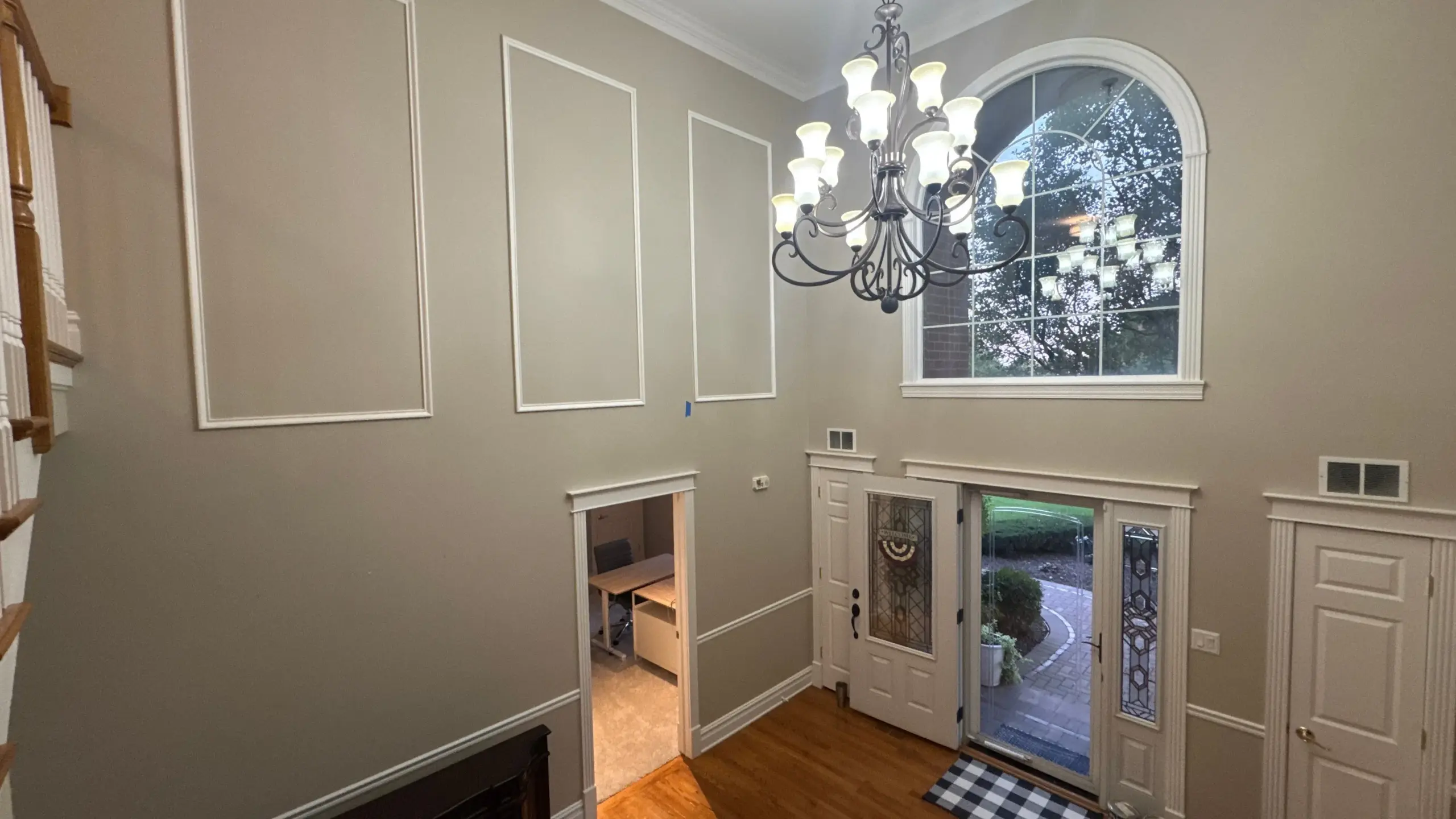
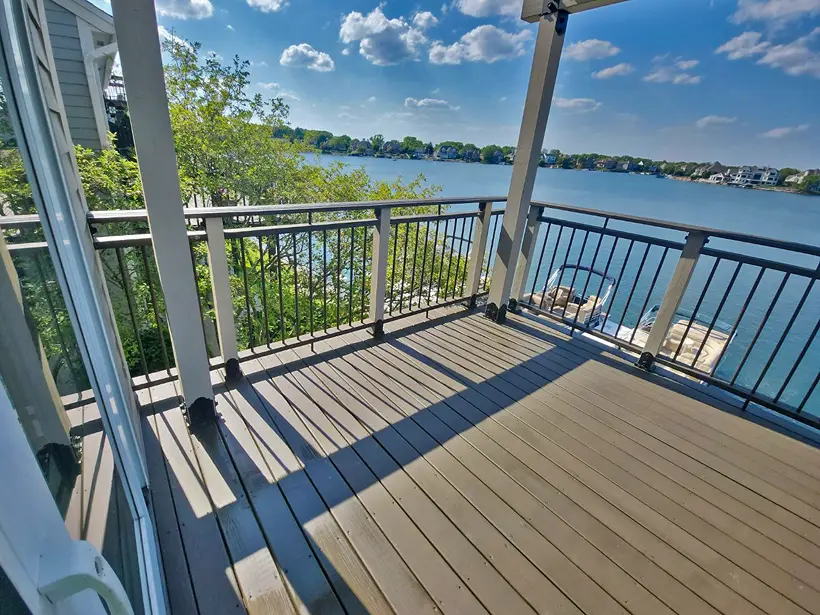
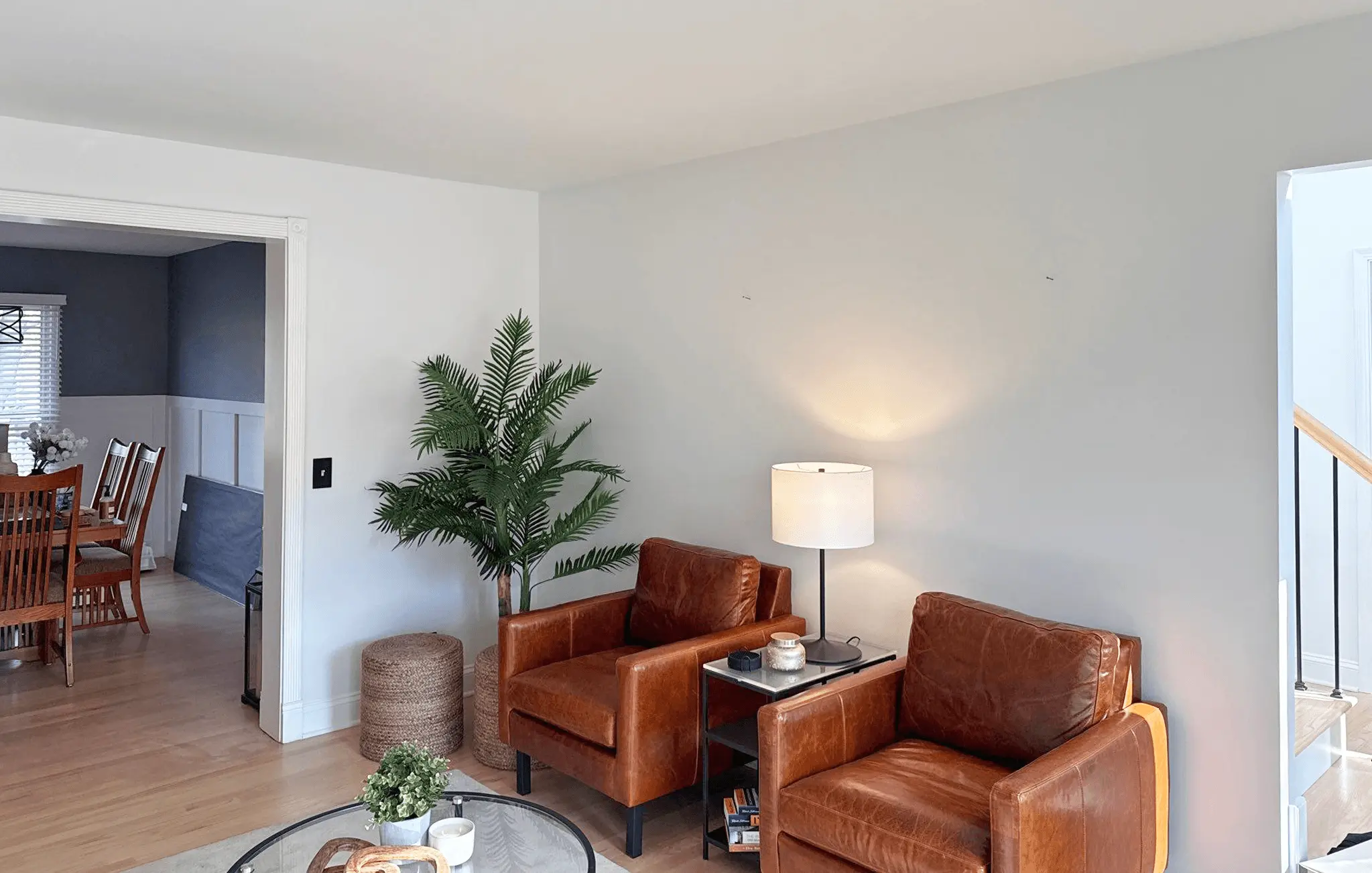
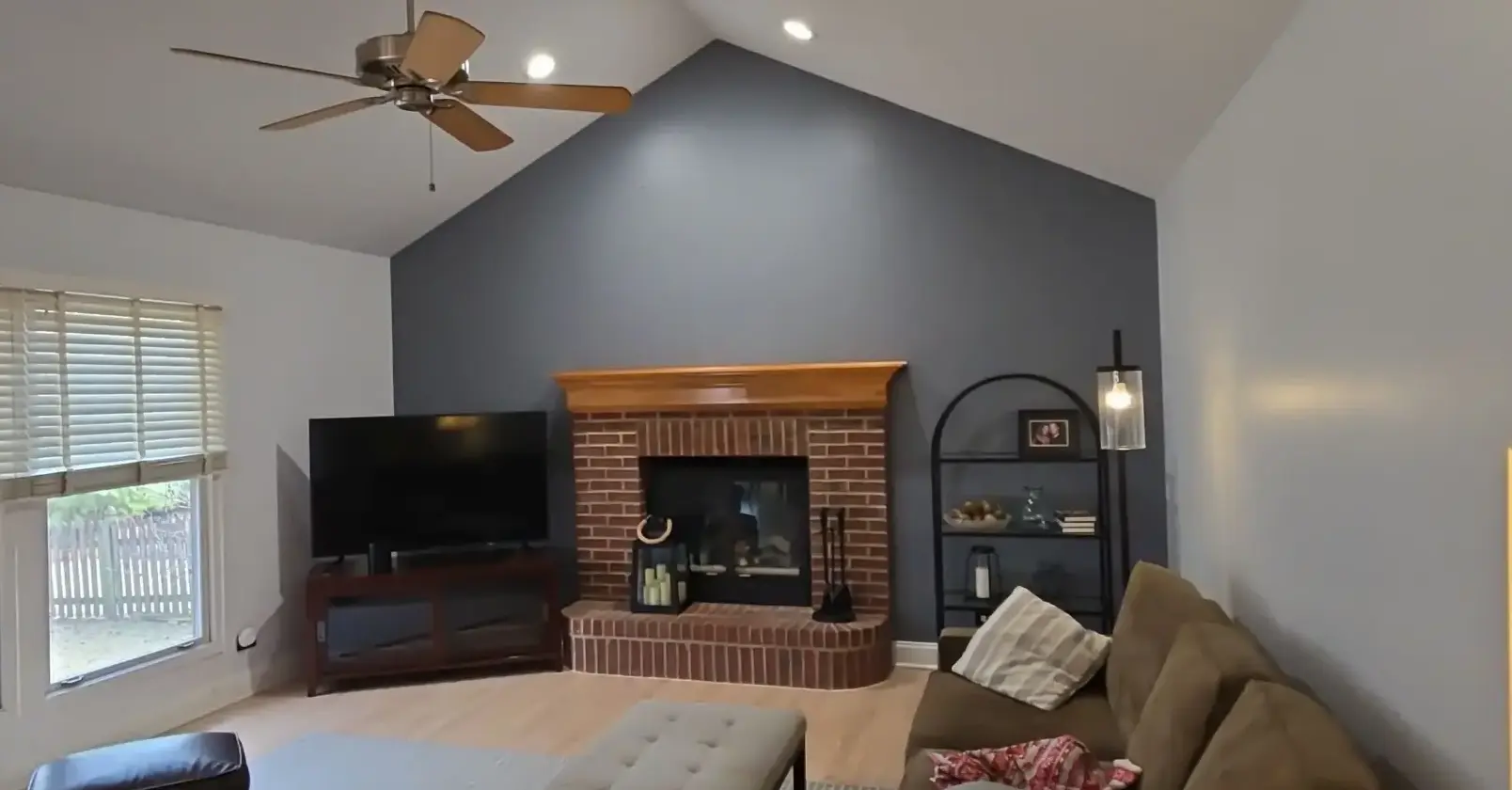
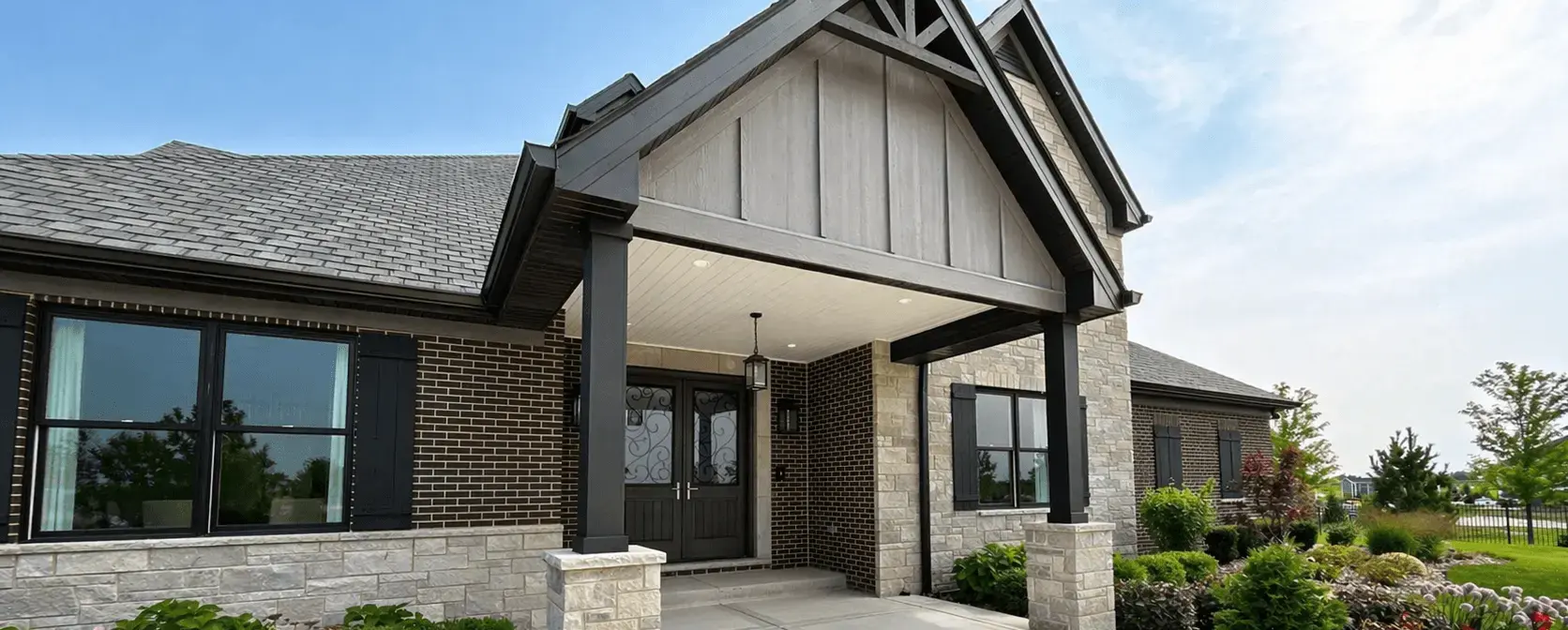
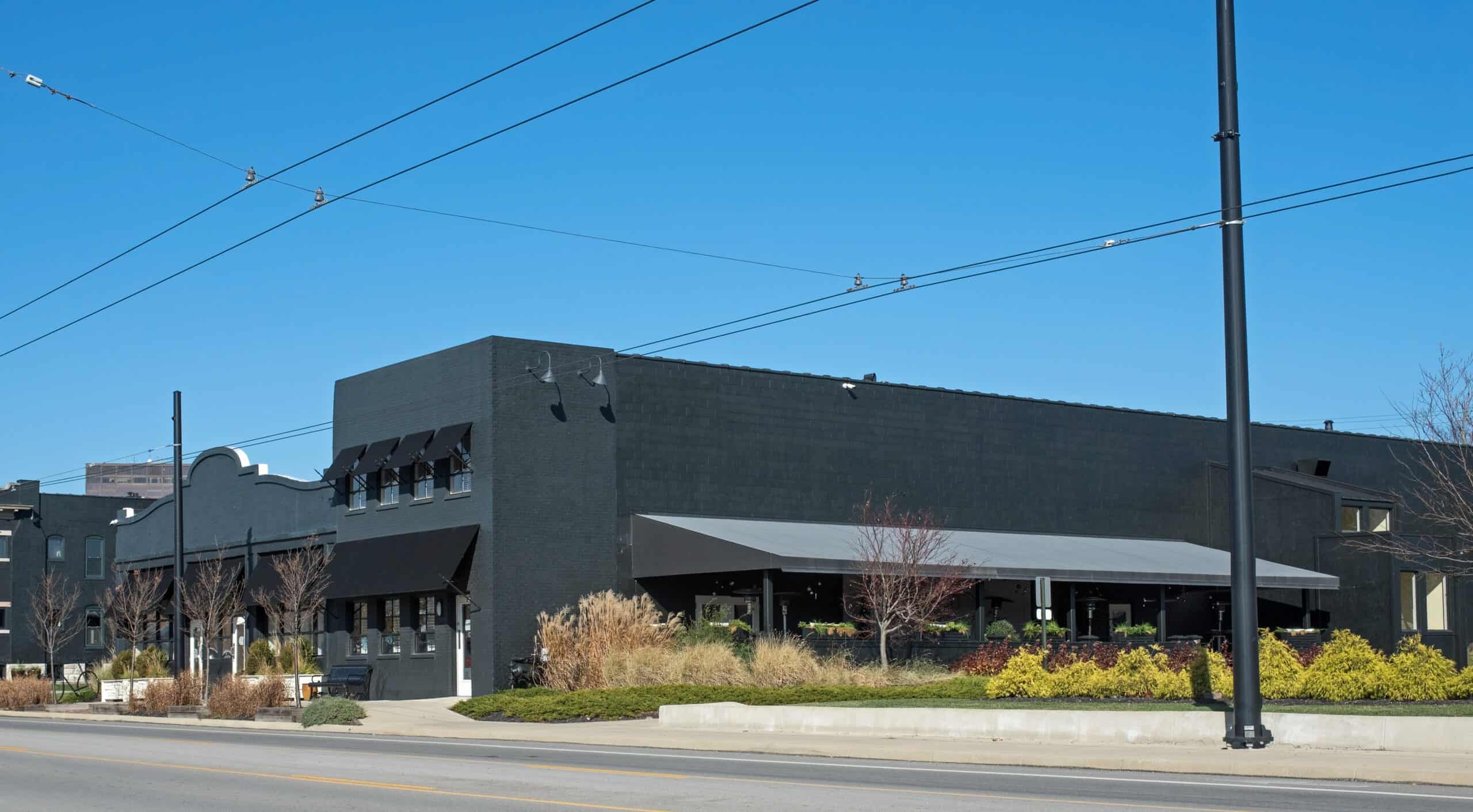
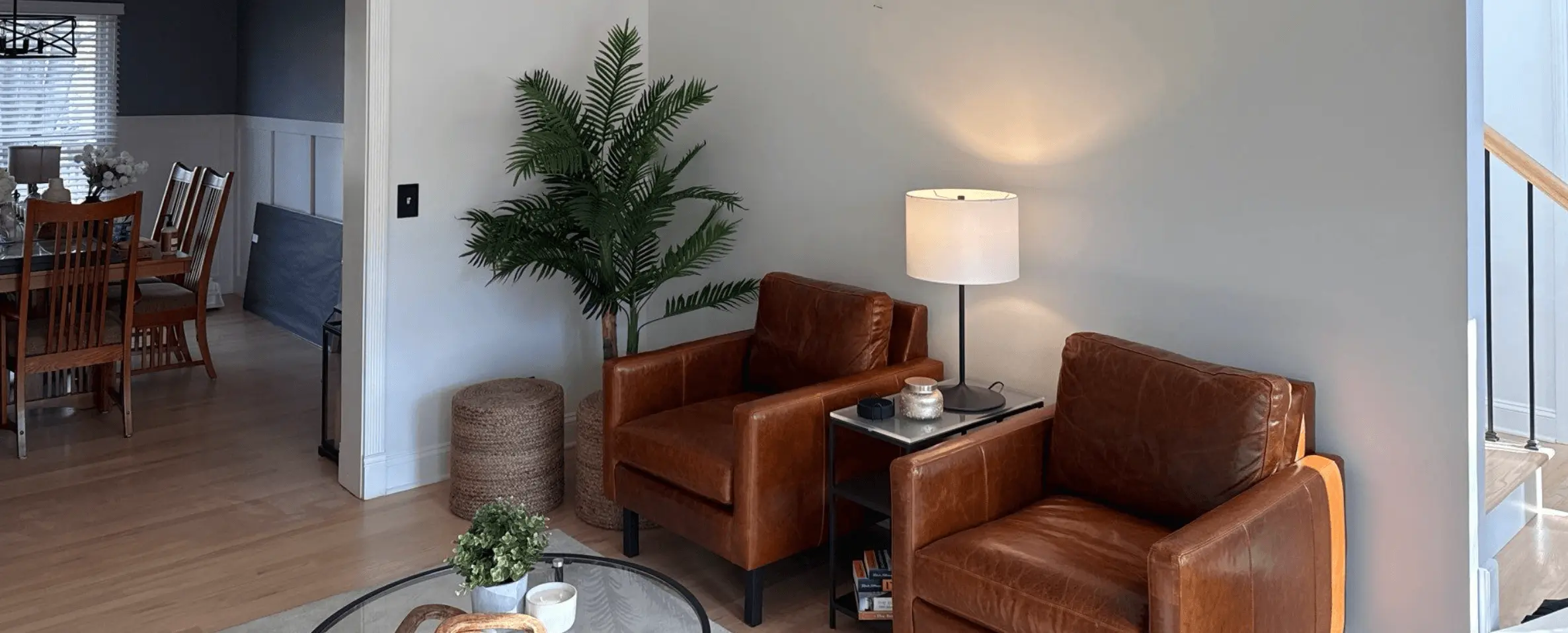
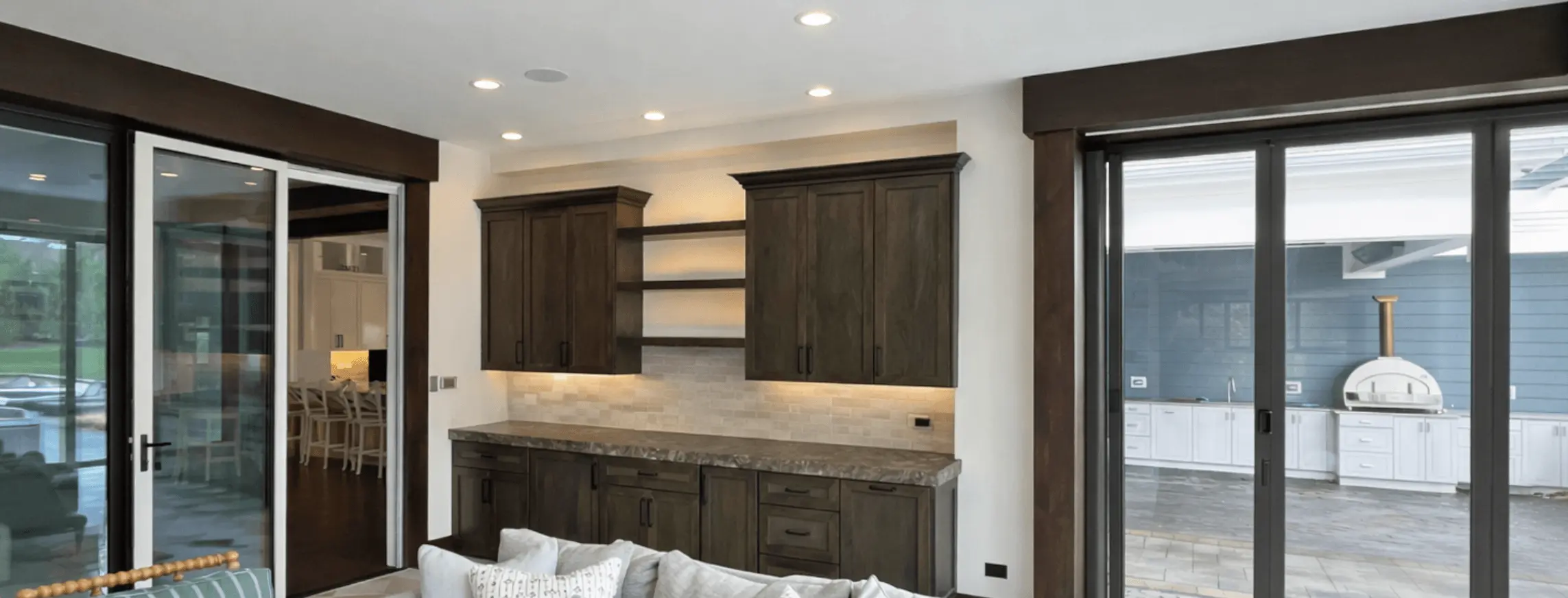
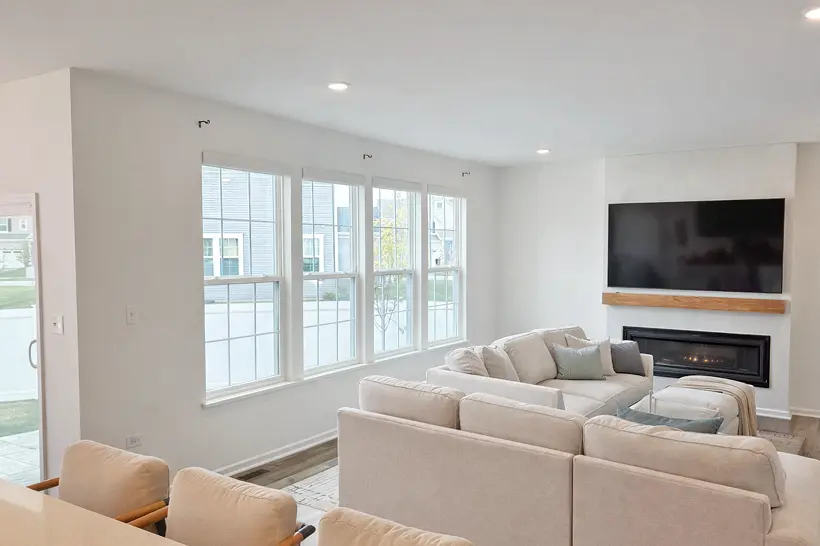
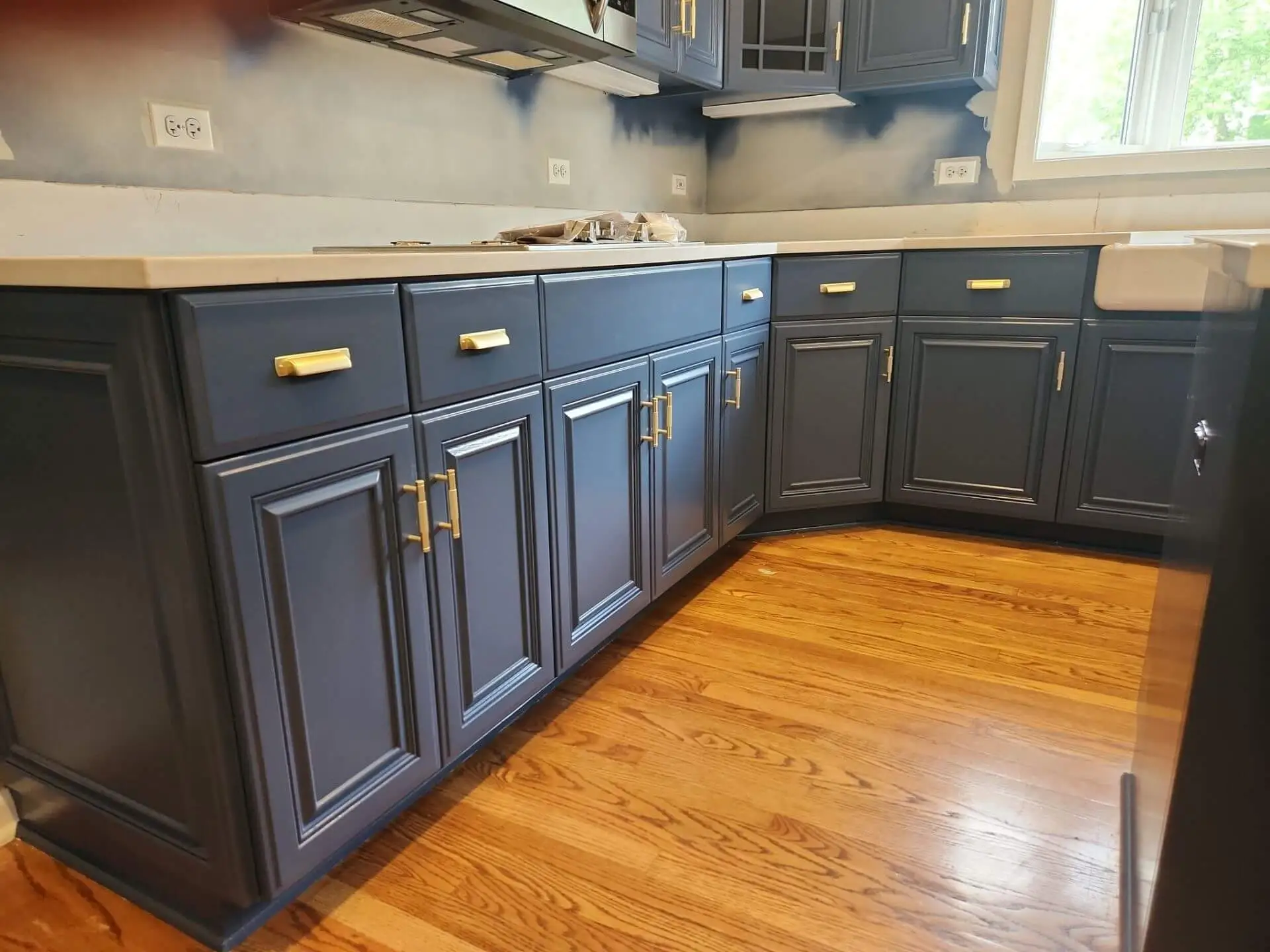
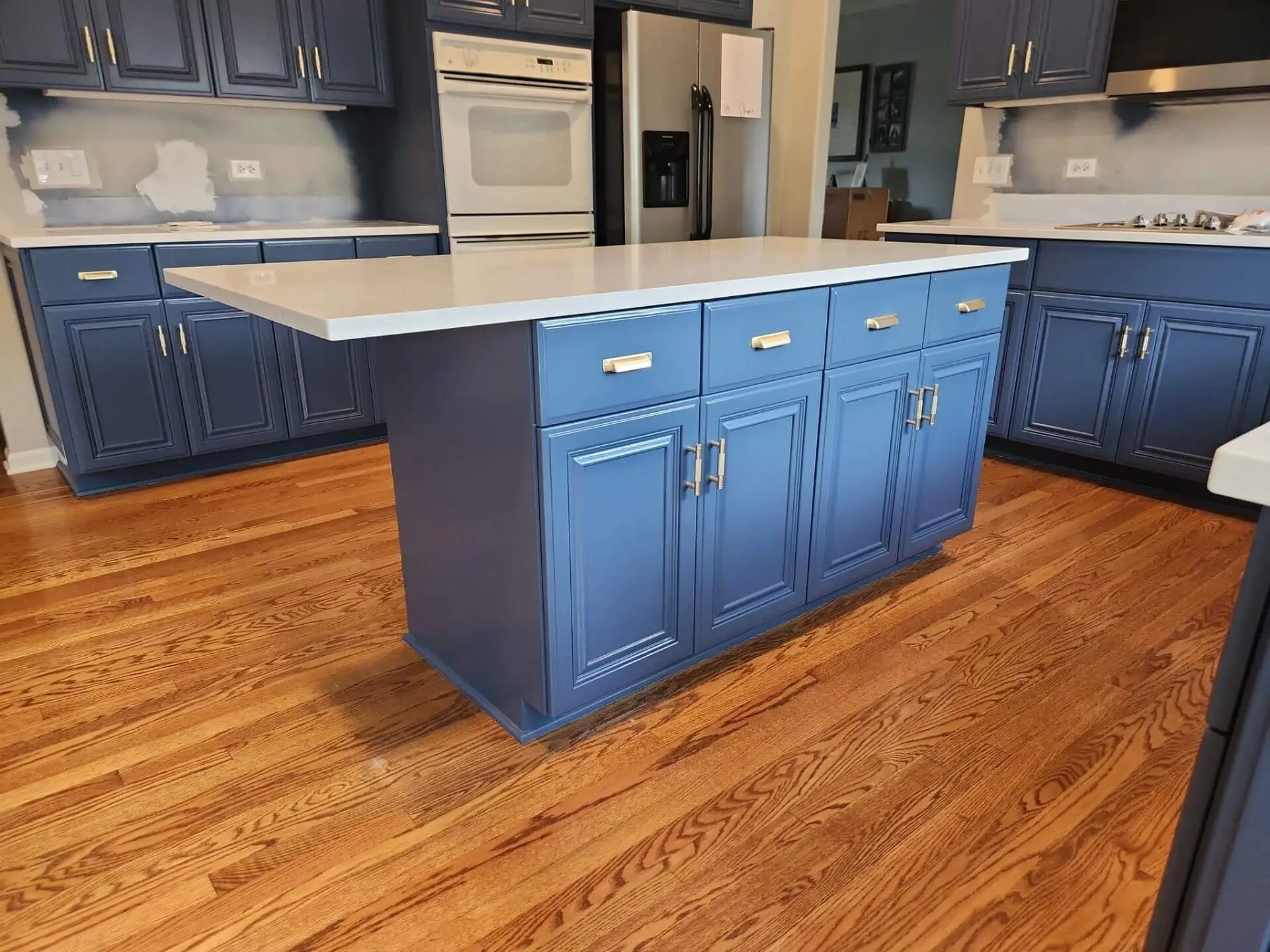
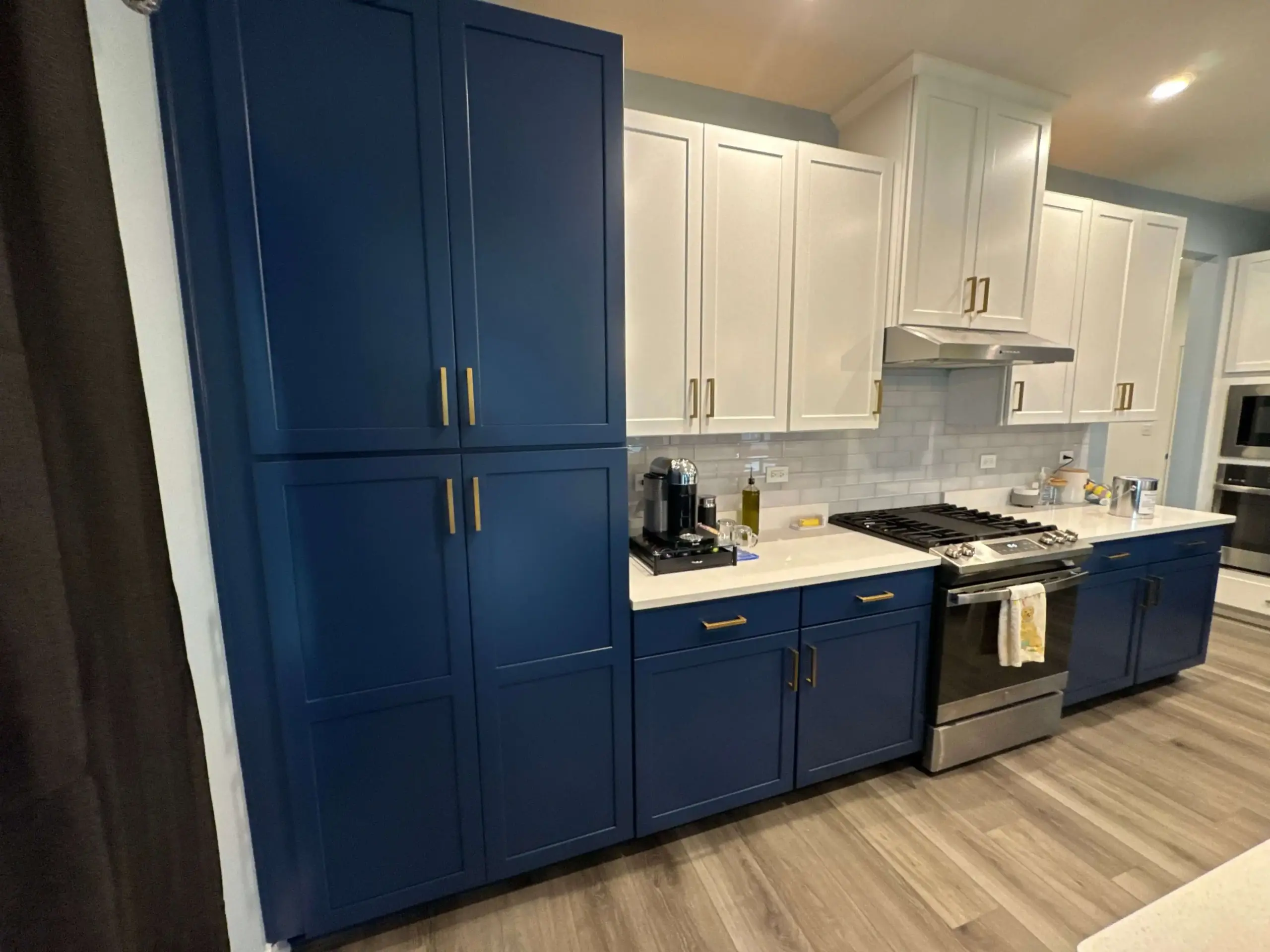
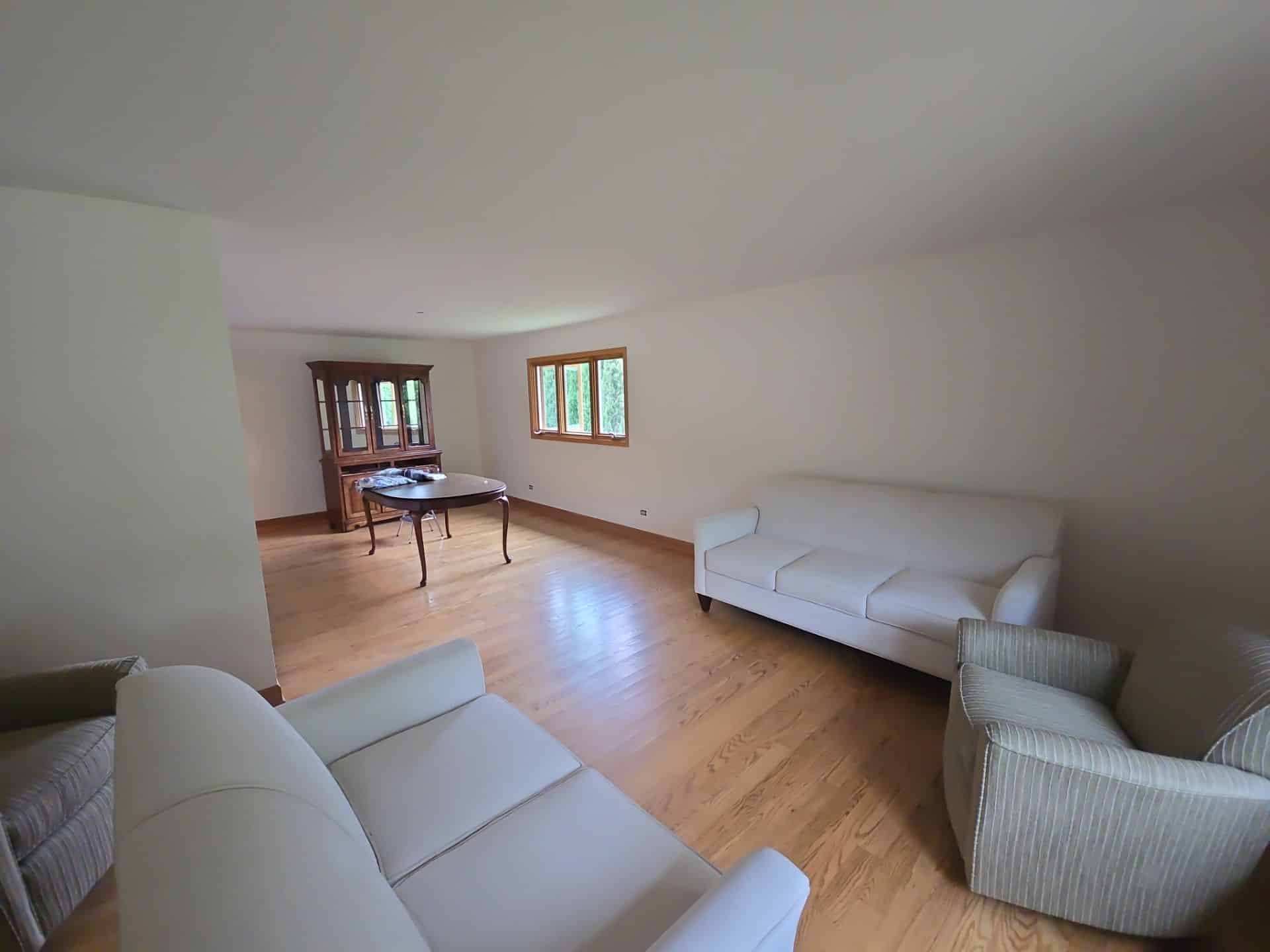
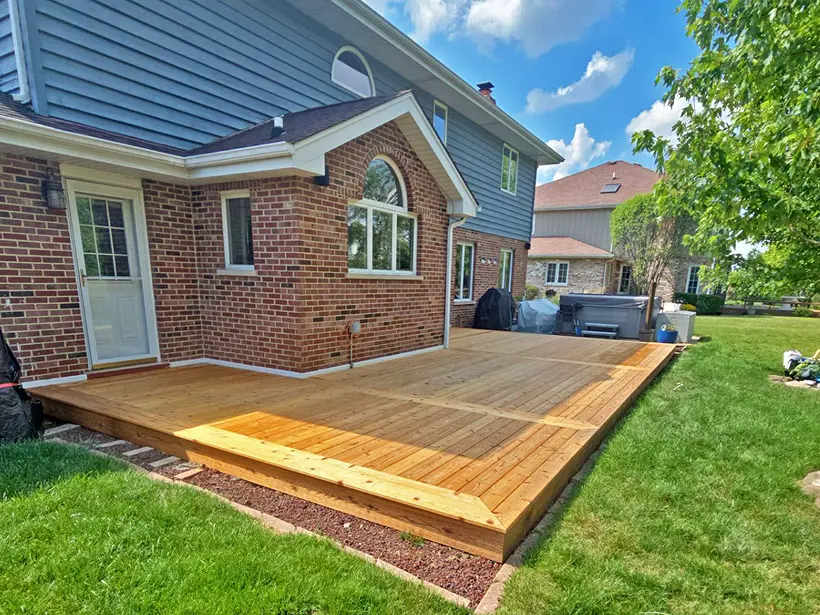
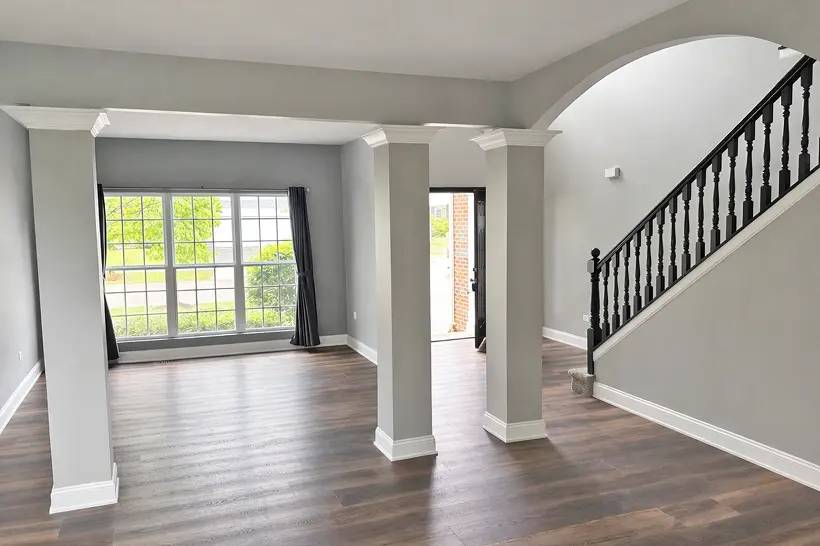
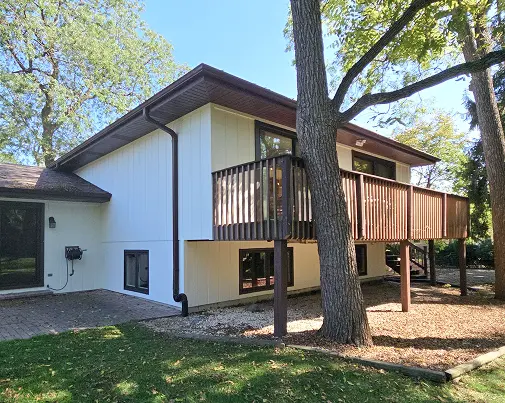
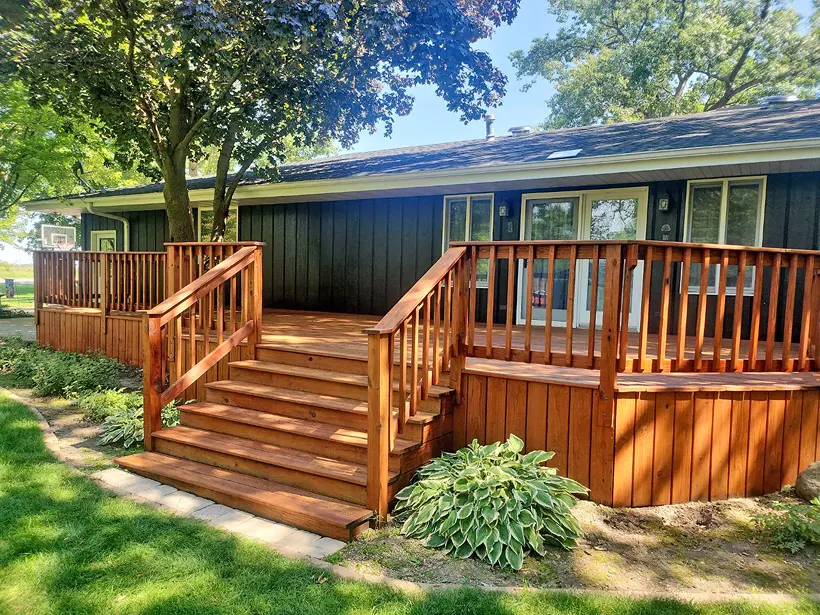
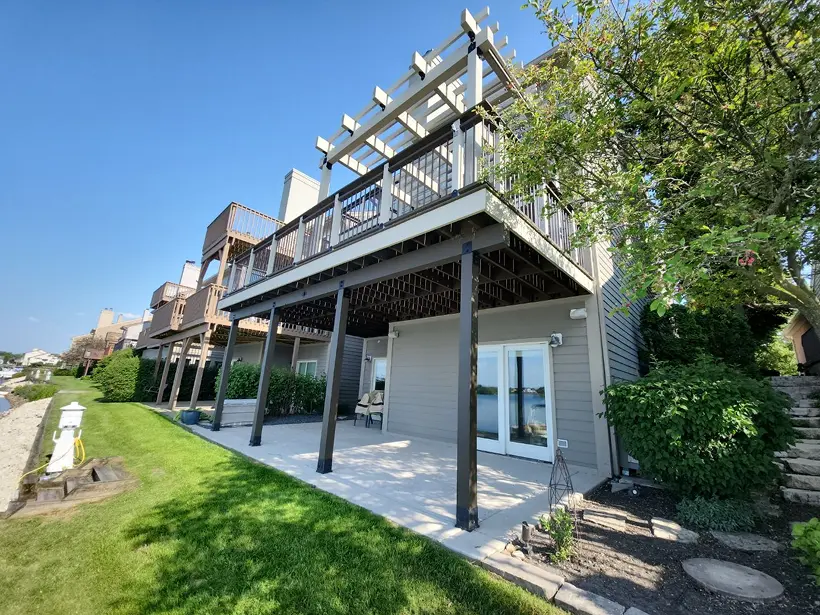
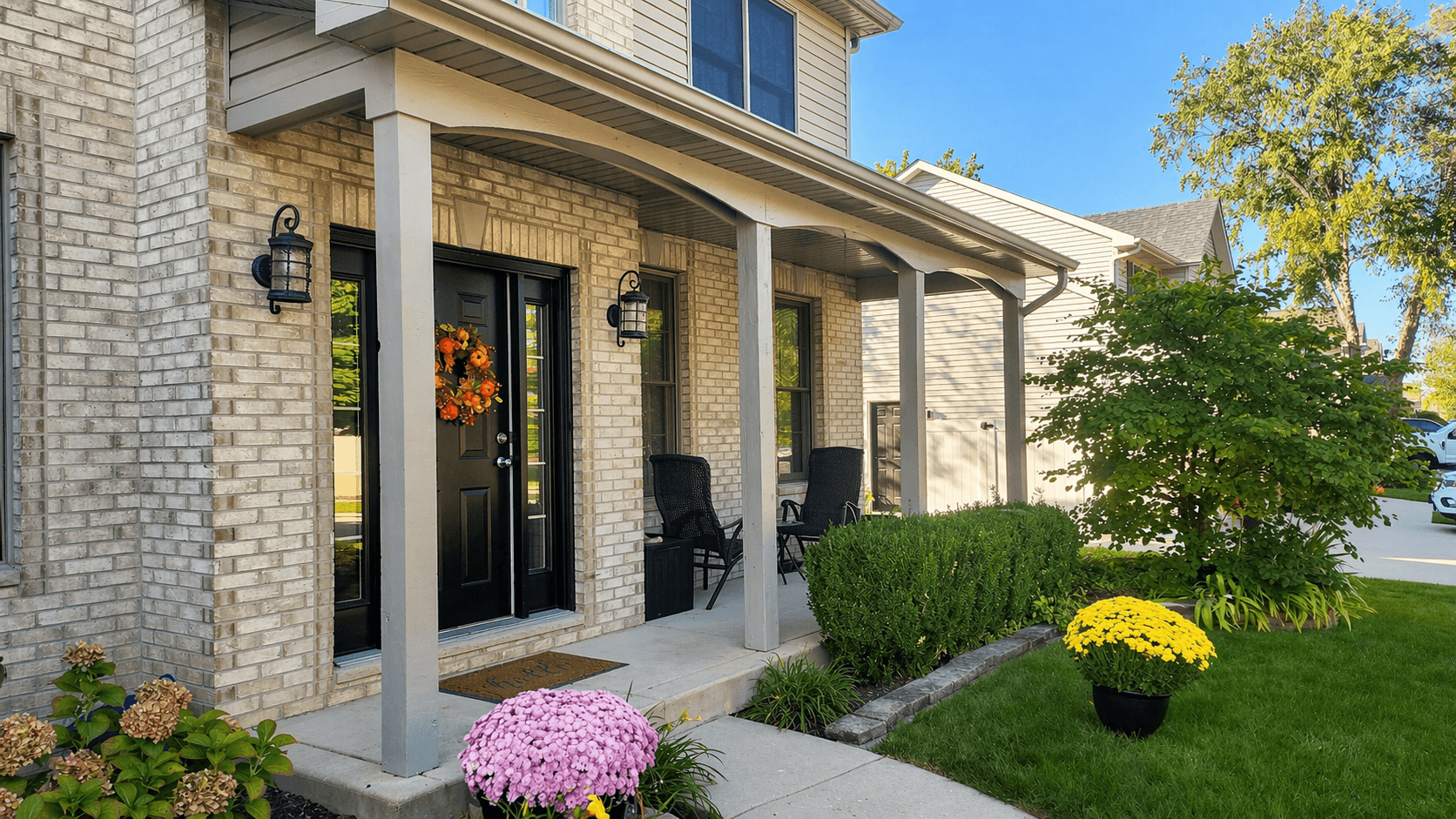
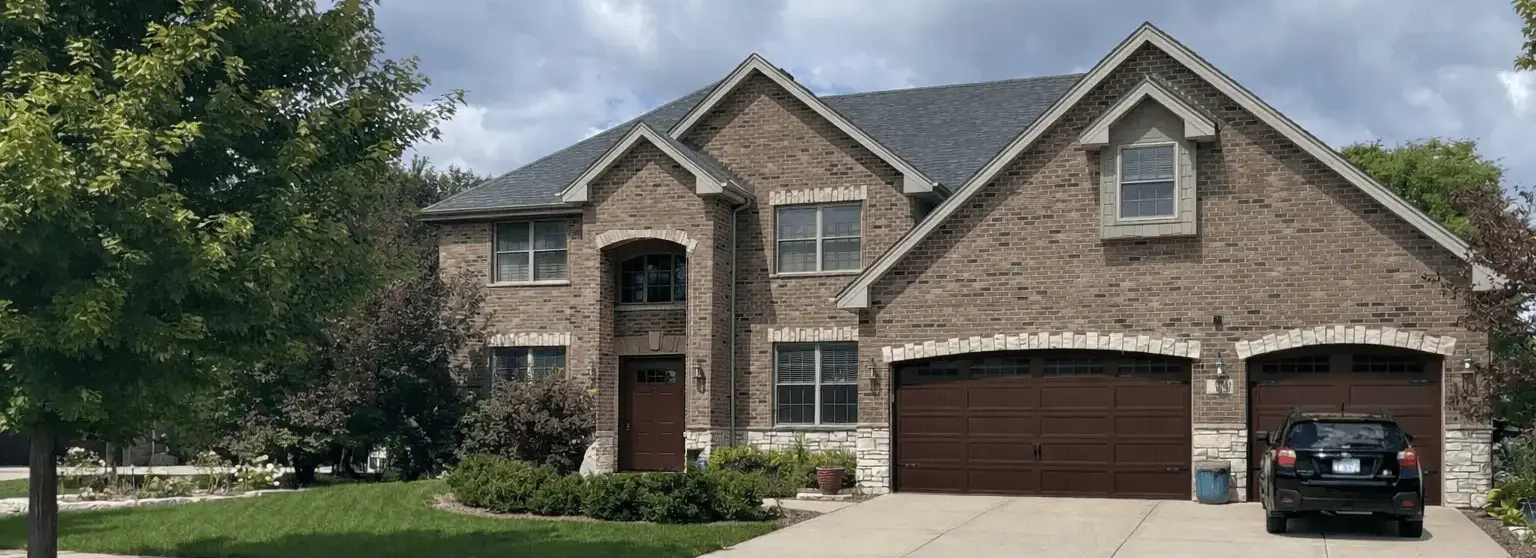
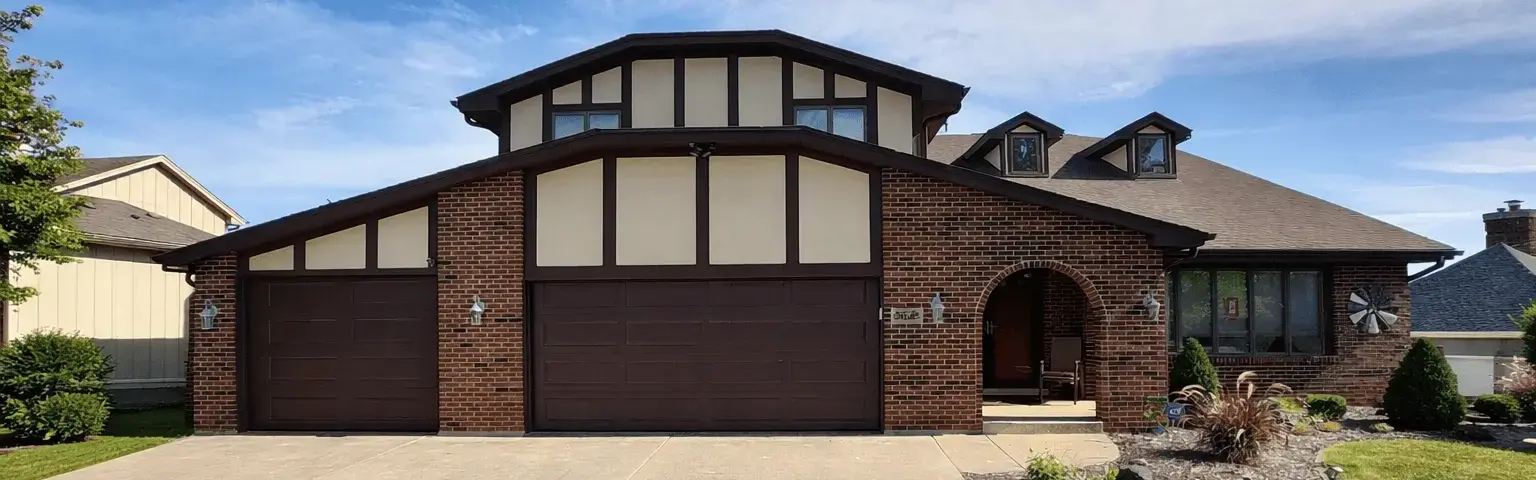
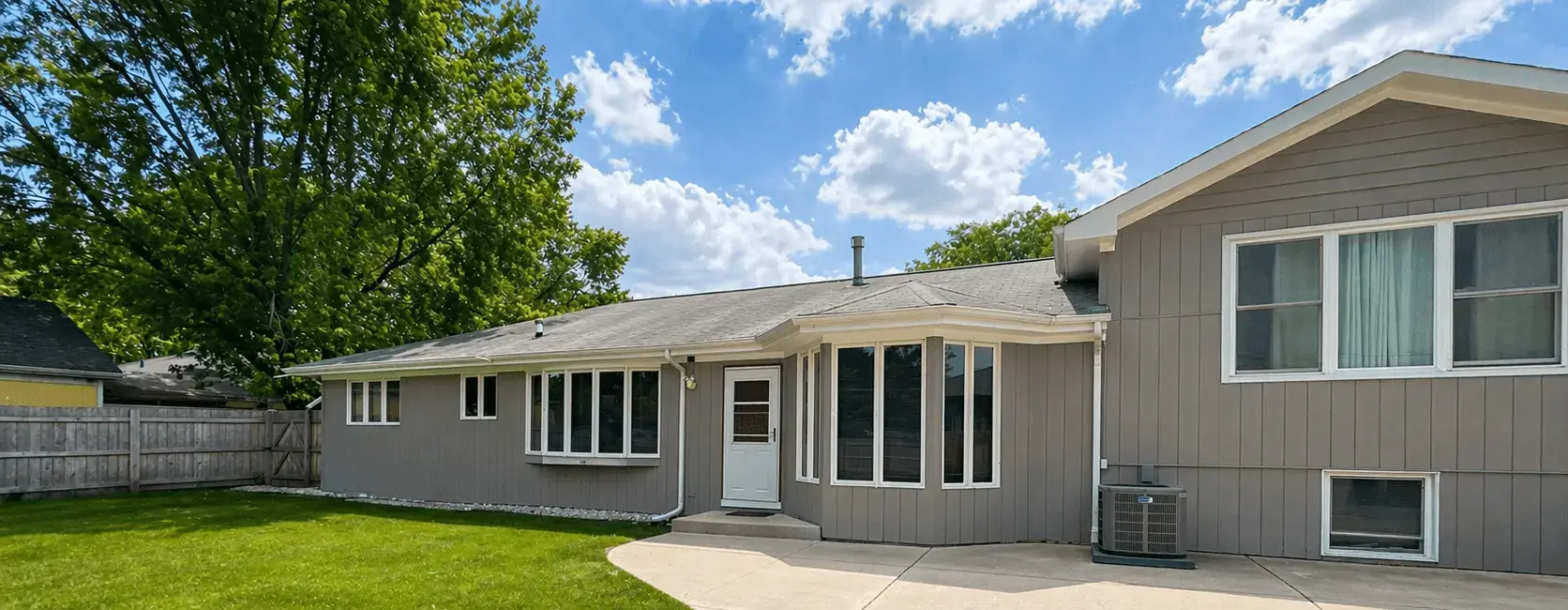
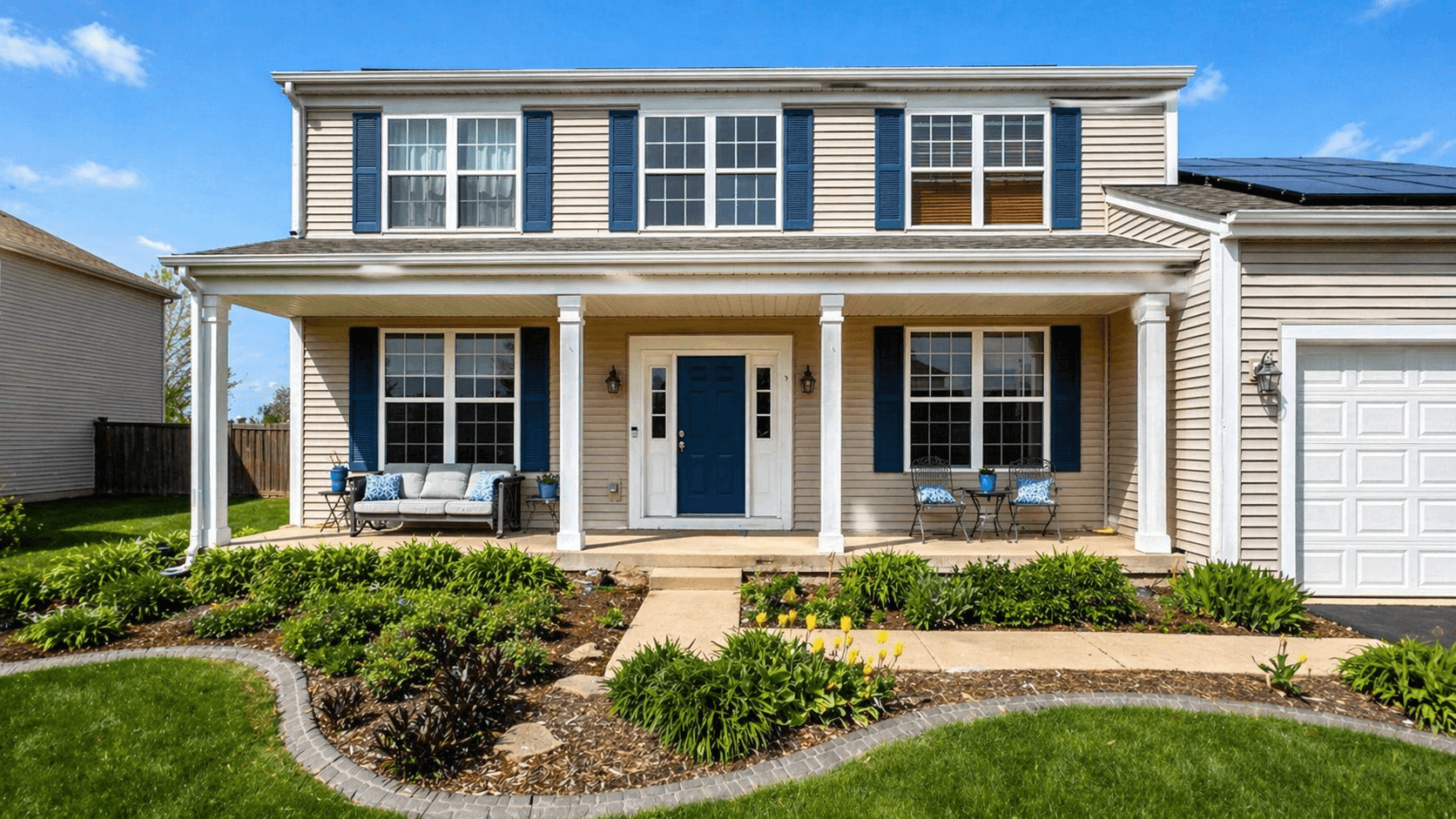
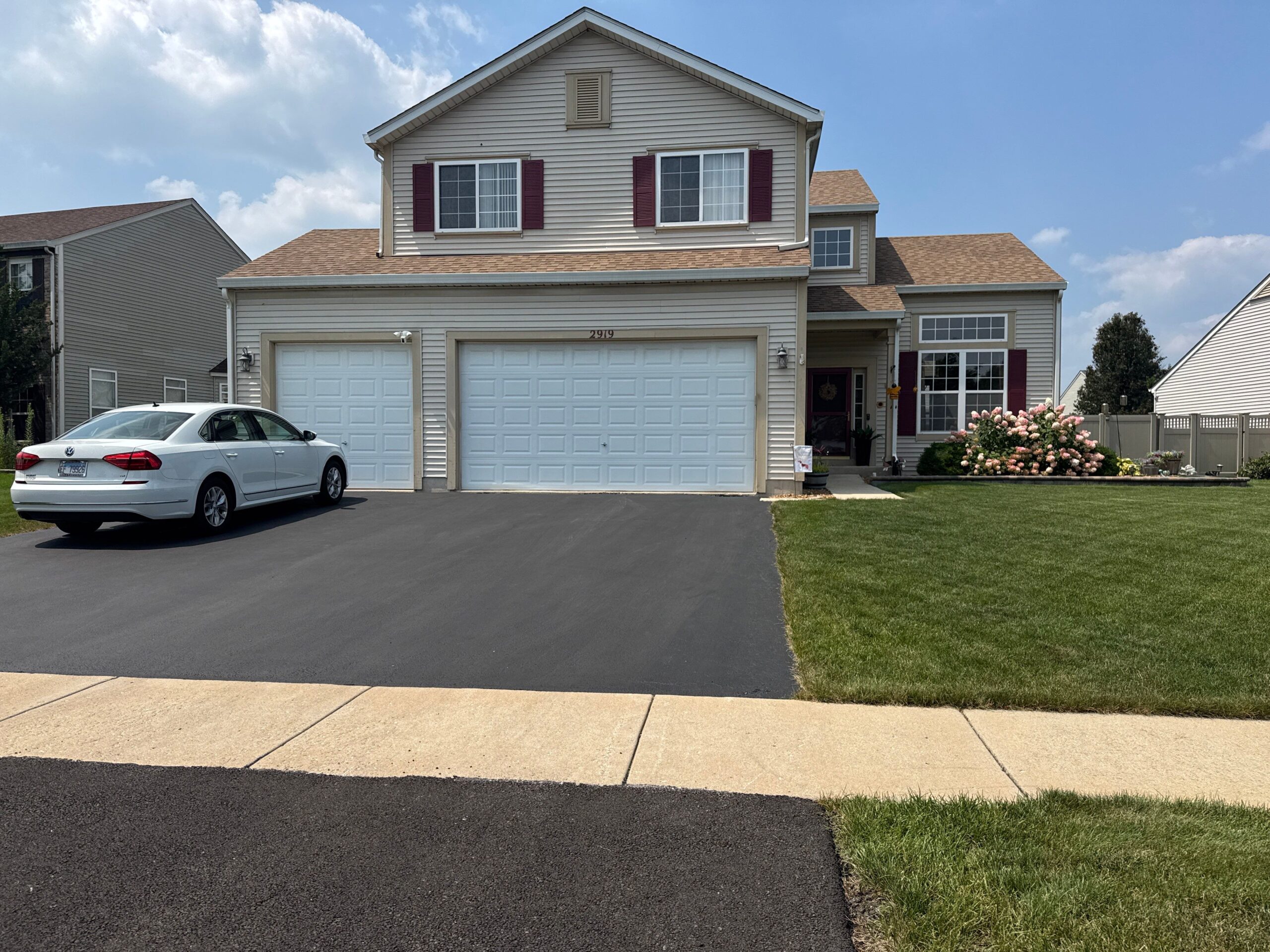
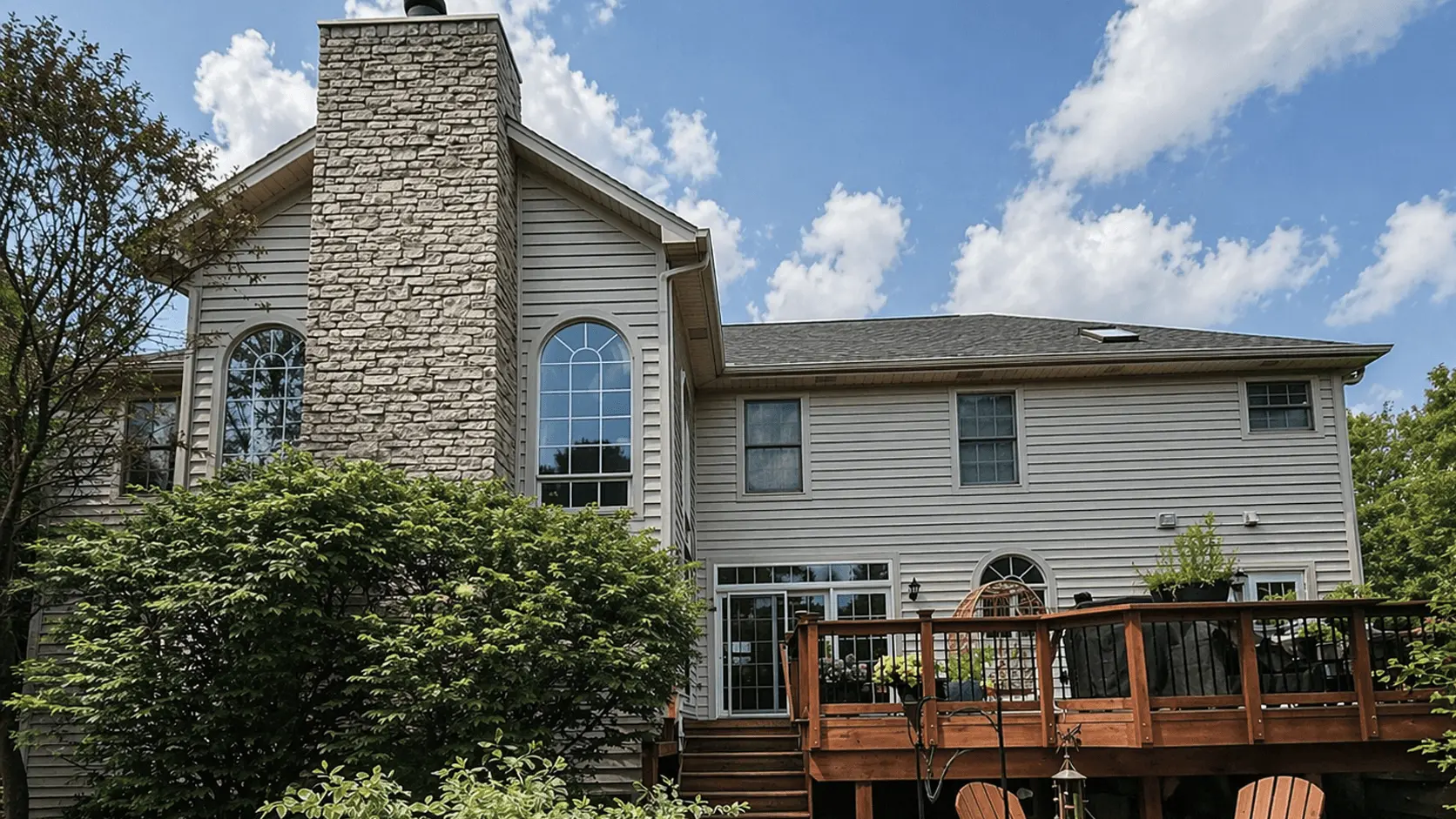
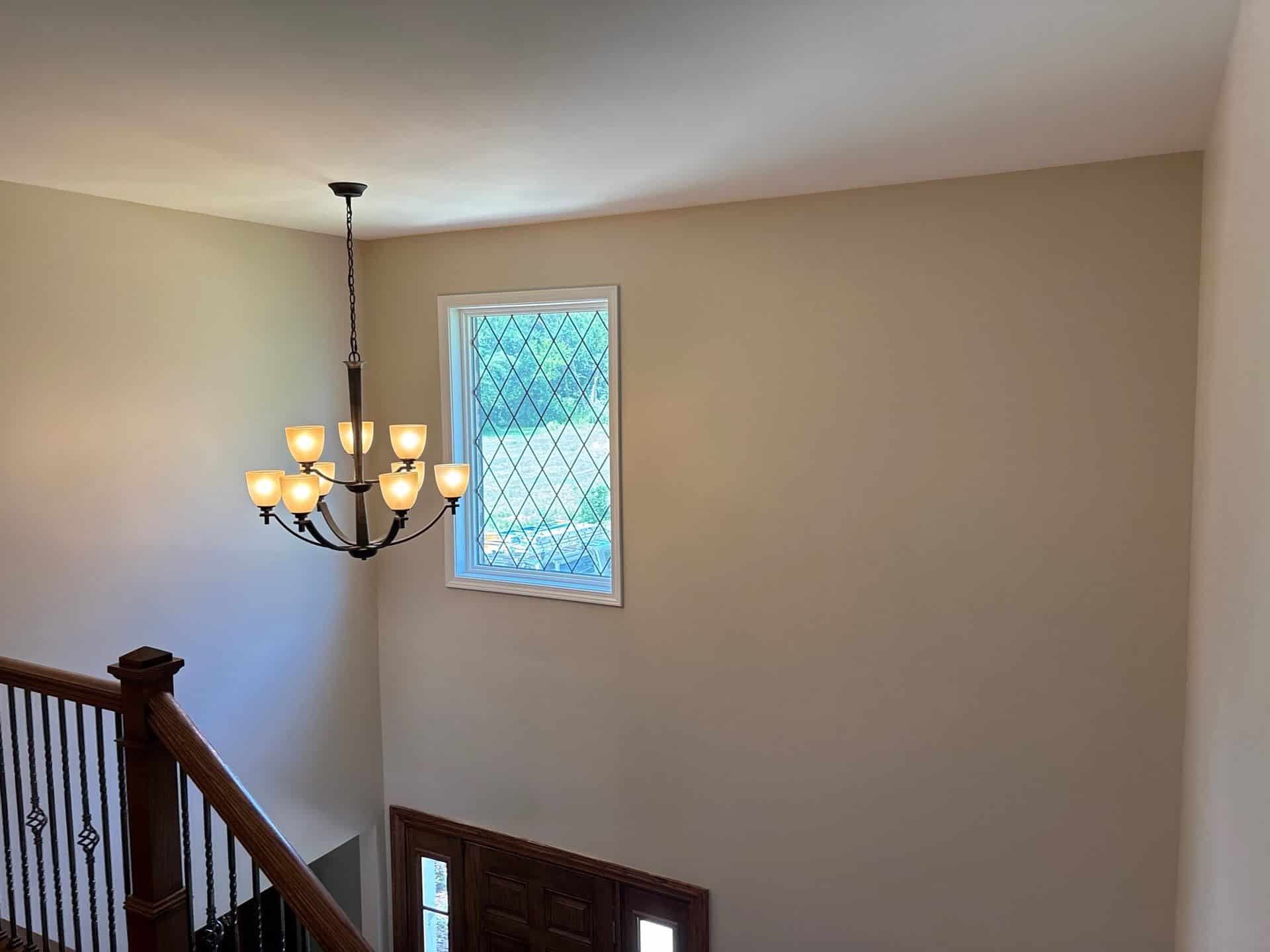
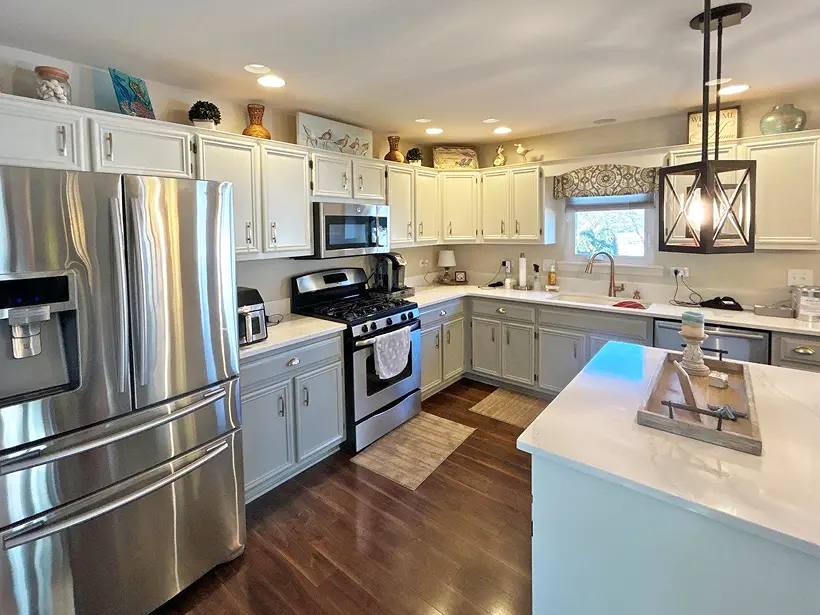
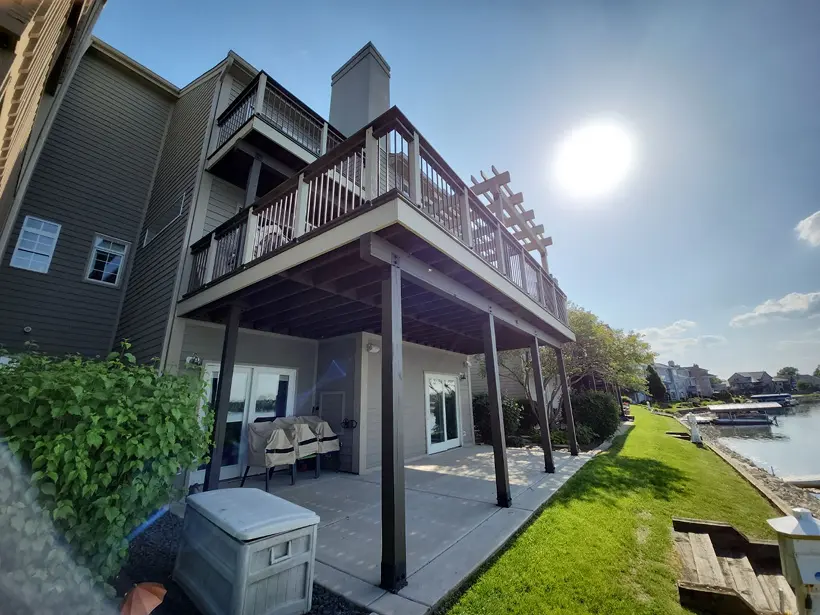
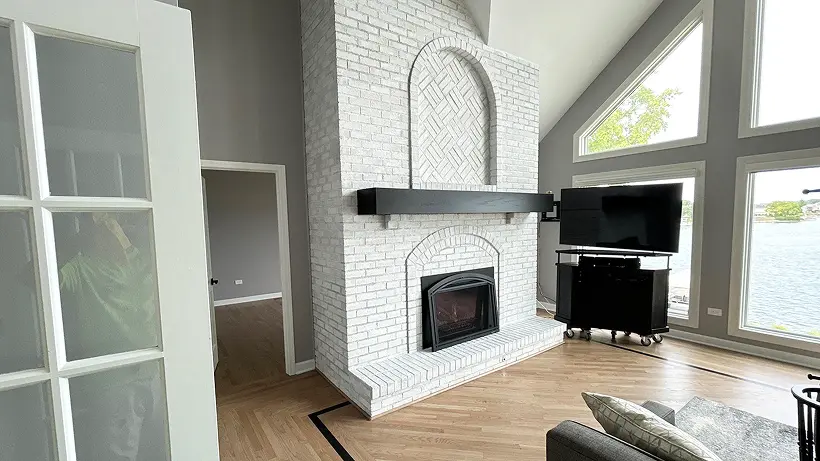
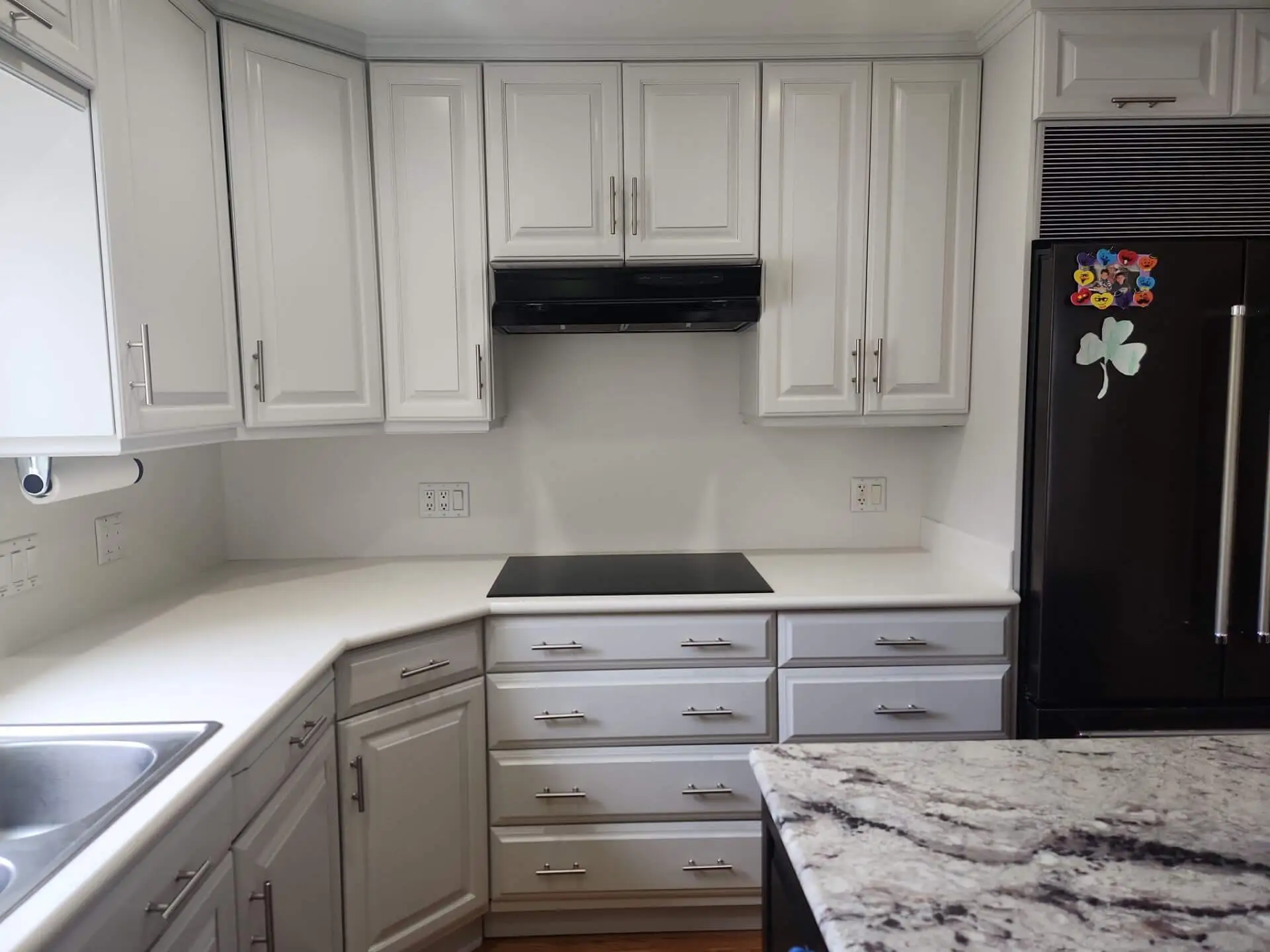
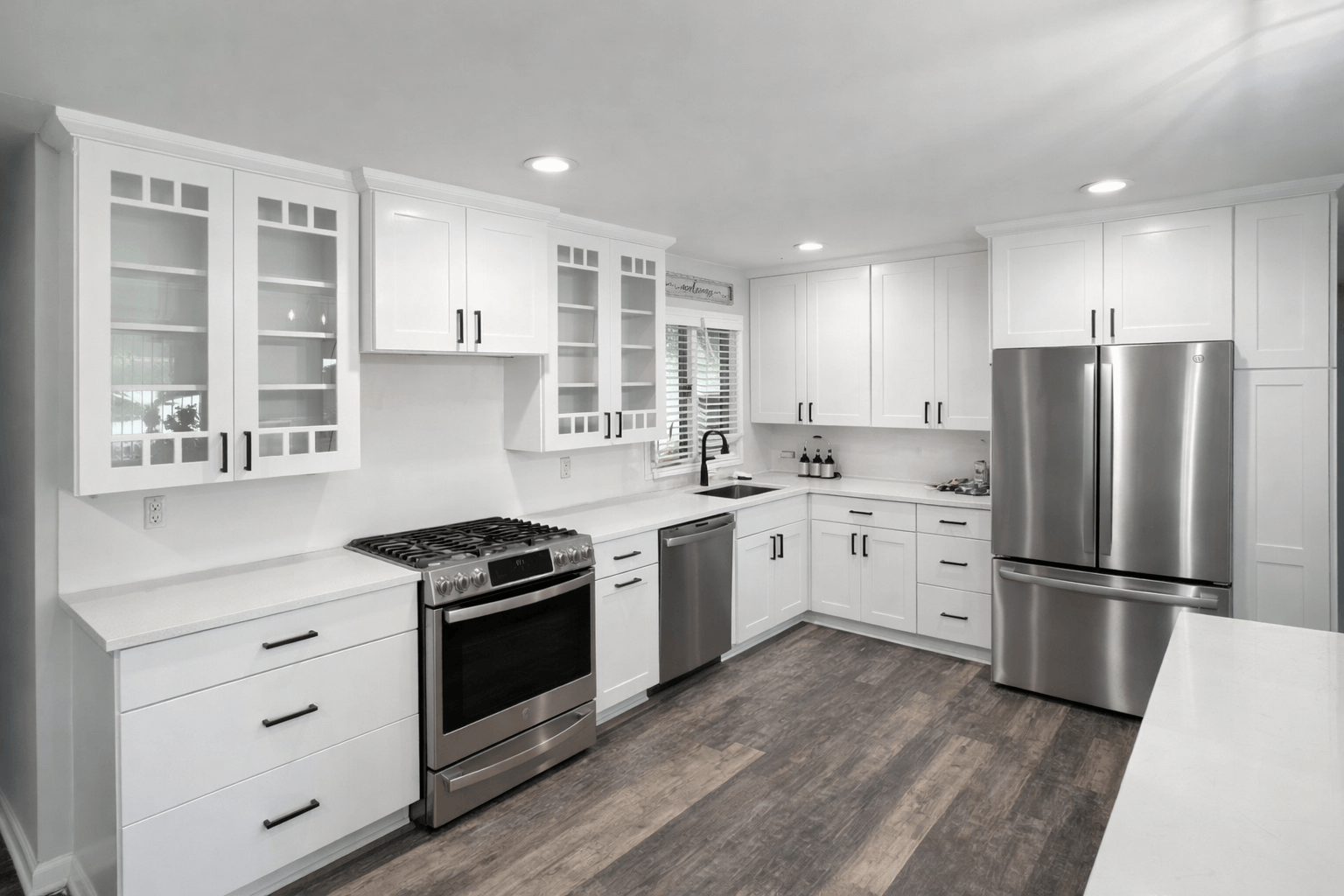
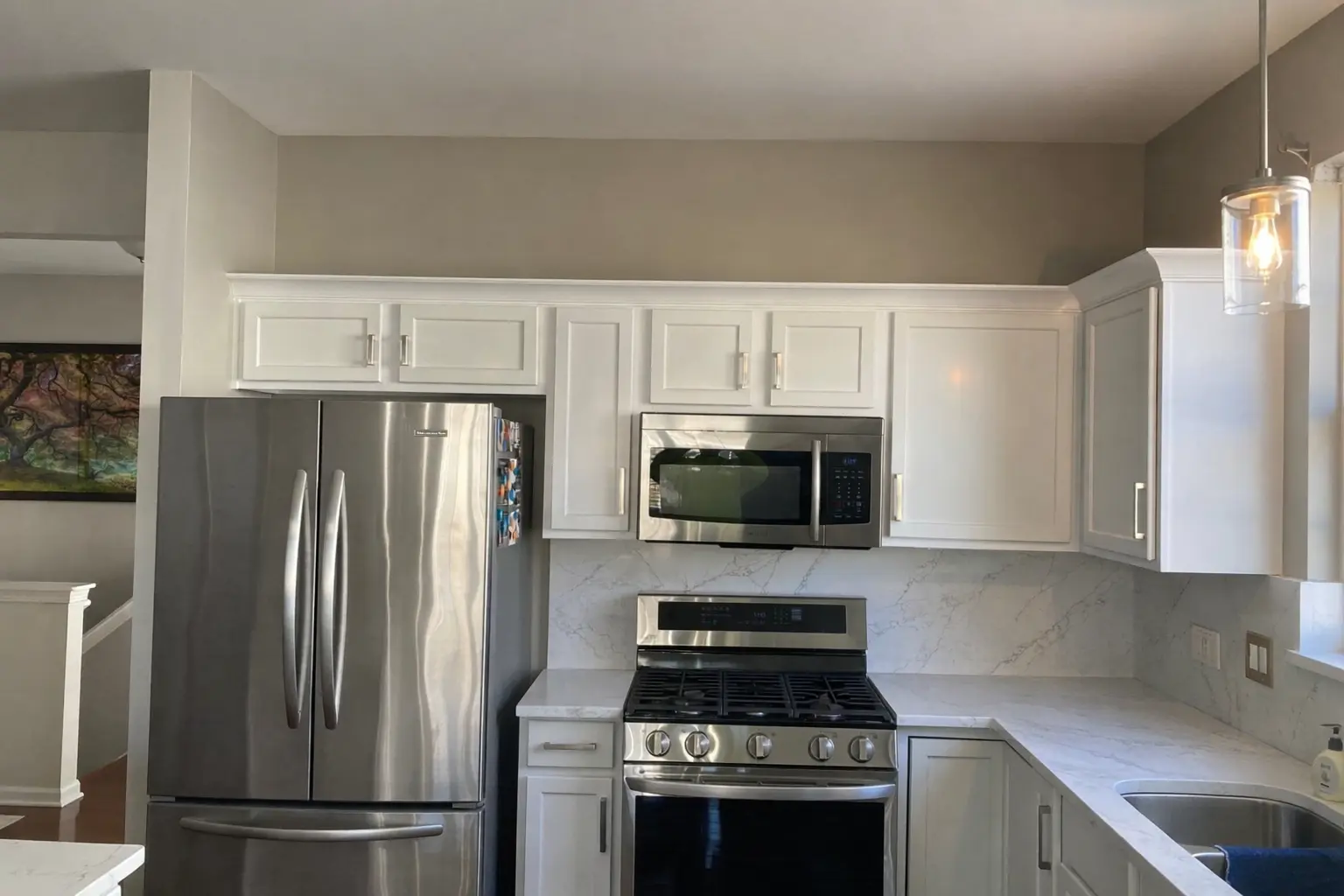
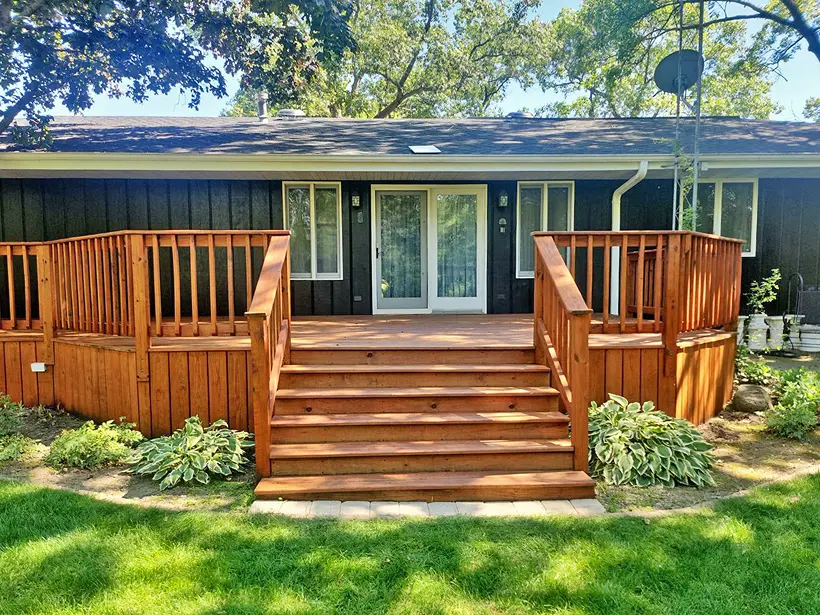
Recent examples of finishes, color direction, and surface types we discuss during residential estimates.

Questions about timing or cost?
We can walk through preparation, access, and what affects your estimate before work begins.
Our process
How we approach residential projects
- 01
Project conversation
We discuss your goals, timing, rooms or elevations involved, and whether the home will be occupied during work.
- 02
Property walkthrough
Interior and exterior conditions are reviewed so preparation, access, and phasing can be planned realistically.
- 03
Scope documentation
Included surfaces, repairs, products, and sequencing are outlined in a written estimate you can compare and approve.
- 04
Phased execution
Work proceeds in an agreed order that balances disruption, weather, drying time, and daily use of the home.
- 05
Coordinated completion
Related services such as trim, ceilings, cabinets, or deck staining are finished or staged according to the overall plan.
Planning
What affects cost and timeline
- Whether the scope is interior, exterior, or both
- Home size, layout, and number of included surfaces
- Condition of existing coatings and repair needs
- Occupied-home logistics and furniture placement
- Weather windows for exterior phases
- Product selections and color-change complexity
Useful details
Residential FAQs
Can I combine interior and exterior work?
Yes, when scheduling and weather allow. Each area is scoped separately so preparation, products, and timing remain clear.
Do you work in occupied homes?
Occupied-home work can often be planned in phases. We discuss room order, access, furnishings, pets, and cleanup before work begins.
Can a project be completed in phases?
Yes. A phased plan can prioritize protective exterior work, high-use rooms, or areas tied to another renovation.
What should I expect in an estimate?
The estimate should clarify surfaces, preparation, exclusions, coating approach, color responsibilities, and any conditions that may change the scope.
Do you serve areas outside Grand Rapids?
We serve many nearby West Michigan communities. Project location and scheduling fit are confirmed when you request an estimate.
Start with a clear estimate
Planning residential painting in West Michigan?
Tell us what you are planning. We’ll help define the right scope and next step for your property.