Professional spaces, thoughtfully managed
Commercial Painting in Grand Rapids, MI
Commercial painting has to improve the environment without creating unnecessary operational friction. We plan access, sequence, protection, and communication around the way the property functions.
01
What this service includes
- Site walkthrough with access and operations review
- Written scope for walls, ceilings, doors, and trim as applicable
- Protection of floors, fixtures, equipment, and customer areas
- Surface preparation suited to commercial wear
- Application of specified durable coatings
- Phased work zones where needed for occupied properties
- Cleanup and turnover of completed areas
Ready for commercial in West Michigan?
Share your rooms, surfaces, or elevations — we'll help define scope and next steps.
In depth
Service overview
Overview
Commercial painting affects how employees, customers, tenants, and visitors experience a property. In Grand Rapids, that includes professional offices downtown and along the Beltline corridor, retail storefronts, medical and professional suites, small industrial offices, churches, and multifamily common areas. Each setting has its own traffic patterns, access rules, and tolerance for disruption.
Grand Rapids Painting Services approaches commercial work with the same preparation discipline used on residential projects, but with added attention to scheduling, communication, and durability. A lobby that looks refreshed for only a few months is not a success if the coating cannot tolerate daily contact, cleaning, or changing humidity conditions. The estimate should therefore identify not only color and square footage, but also how the space functions.
Commercial interiors and exteriors involve more stakeholders than a typical room repaint. Property managers, business owners, facility staff, and sometimes tenants all benefit from a written scope that distinguishes walls, ceilings, doors, frames, trim, and specialty conditions.
Benefits
Updated commercial finishes signal professionalism and care. Neutral, well-maintained walls and trim make signage, furnishings, and branding read more clearly. In customer-facing spaces, fresh coatings can soften dated interiors without a full remodel. For landlords and property managers, a defined painting scope supports turnover between tenants and helps common areas stay presentable between capital projects.
Durable product selection is a practical benefit, not just an aesthetic one. Corridors, restrooms, break rooms, and reception areas experience different levels of contact and cleaning than private offices. Matching sheen and product to use reduces early wear and makes future maintenance more predictable.
Exterior commercial painting can also improve visibility and maintenance access when fascia, trim, doors, and accent elements are included in a coherent plan. Coating failure on commercial exteriors often appears first at sun-exposed elevations and horizontal surfaces where water collects.
Preparation and process
Commercial preparation begins with understanding what the existing surface can support. Scuffed drywall, glossy previous coatings, stained ceiling tiles, damaged corner bead, and failing caulk are common in active buildings. Repairs are scoped explicitly so facility teams know whether drywall repair is part of the project or a prerequisite handled separately.
Protection and phasing are central. Work may proceed wing by wing, floor by floor, or after hours depending on the site. Ventilation, odor sensitivity, drying time, and reopening areas to staff or customers are discussed before work begins. Equipment, inventory, and fixed fixtures are considered in the protection plan.
For building exteriors, cleaning needs are evaluated case by case. Pressure washing may be part of preparation when appropriate and when confirmed in the estimate; it is not assumed for every facade. Exterior scopes also account for signage, neighboring tenants, pedestrian access, and West Michigan weather windows.
Interior painting and exterior painting can be combined when scheduling allows, but each remains separately defined so product and preparation requirements stay clear.
Michigan and West Michigan considerations
Commercial properties in the Grand Rapids area experience the same seasonal constraints as residential exteriors, with the added challenge of minimizing business interruption. Winter interior work is common, but humidity and ventilation still matter in large open offices and retail volumes. Summer exterior work must respect temperature, rain, and curing requirements while coordinating around deliveries, events, and customer traffic.
Older commercial buildings near downtown and in established corridors may include plaster, masonry, mixed substrates, and previous maintenance coats that require compatibility review. Newer flex and office space in suburban nodes often has extensive drywall with standardized trim packages that benefit from durable wall coatings and careful protection of carpet and casework.
Moisture intrusion from roof leaks, window failures, or plumbing events should be resolved before cosmetic repainting is treated as complete. Stains and recurring damage are documented during estimating so expectations remain realistic.
Who it is for
Commercial painting serves business owners refreshing a customer-facing space, office managers updating tired interiors, landlords preparing units or common areas, and property teams maintaining a portfolio across Kent County. It is also appropriate for small commercial buildings that do not need specialty industrial coatings but do need organized execution in an occupied setting.
Projects that require hazardous material abatement, sophisticated industrial tank coatings, or extensive structural reconstruction fall outside a standard architectural painting scope and are identified early if present.
What affects cost and timeline
Commercial estimates reflect square footage, ceiling height, surface condition, access restrictions, and whether work must occur outside normal hours. A vacant suite can often be turned over faster than a fully occupied medical office where only certain rooms may be unavailable at a time.
Repair needs, color-change severity, and the number of distinct coatings—walls, ceilings, doors, frames, and exterior trim—all influence labor. Exterior projects add weather dependency. Interior projects add phasing complexity when public areas must remain open.
Clear information at the start—plans, photos, hours of operation, and a single decision-maker contact—helps produce a more accurate scope. Request a commercial estimate with those details and we can discuss a schedule that respects how your property operates.
Project examples
Commercial inspiration
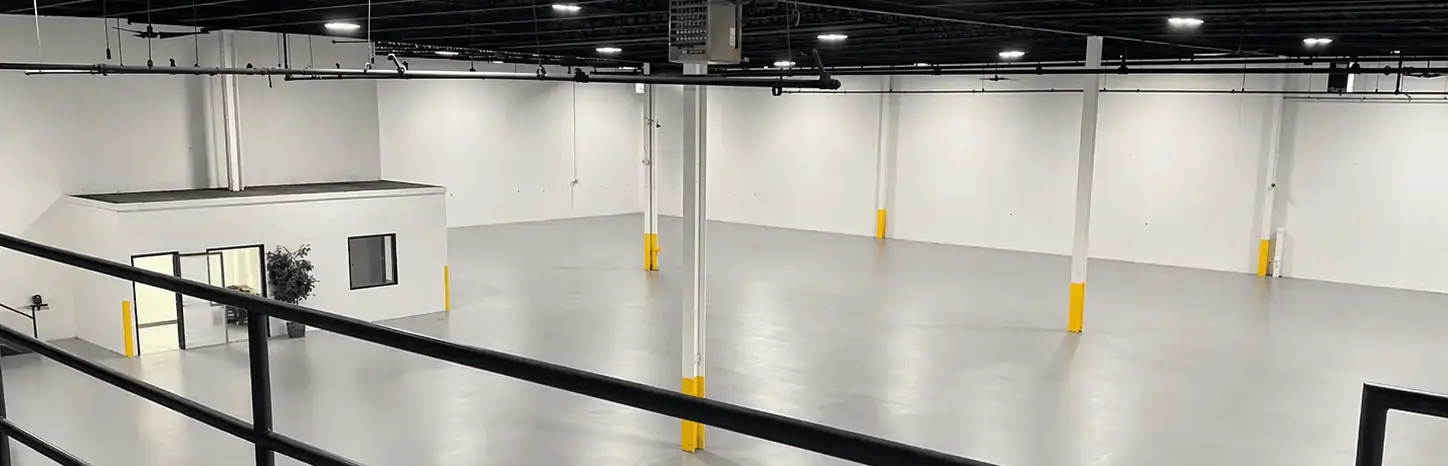
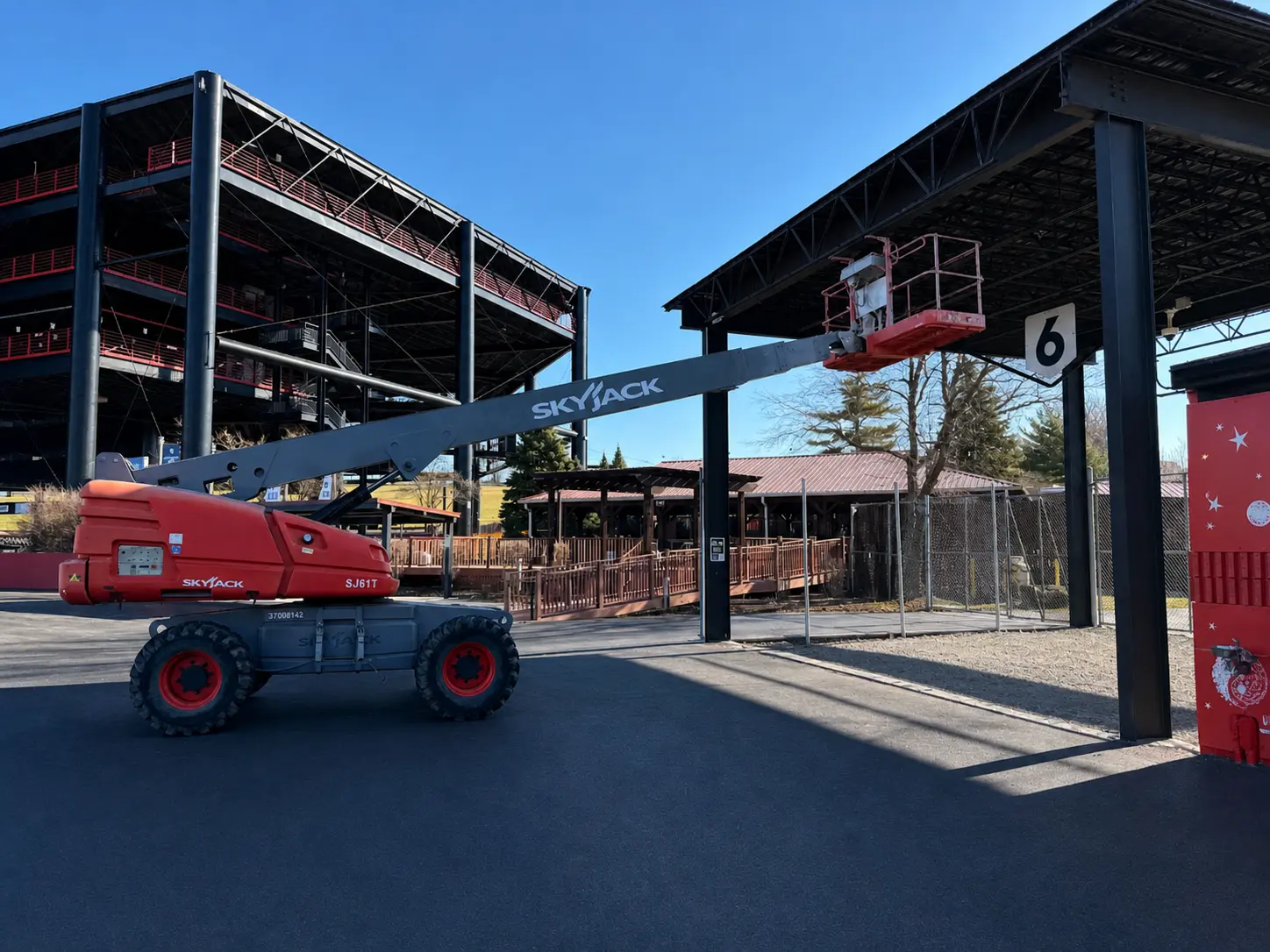
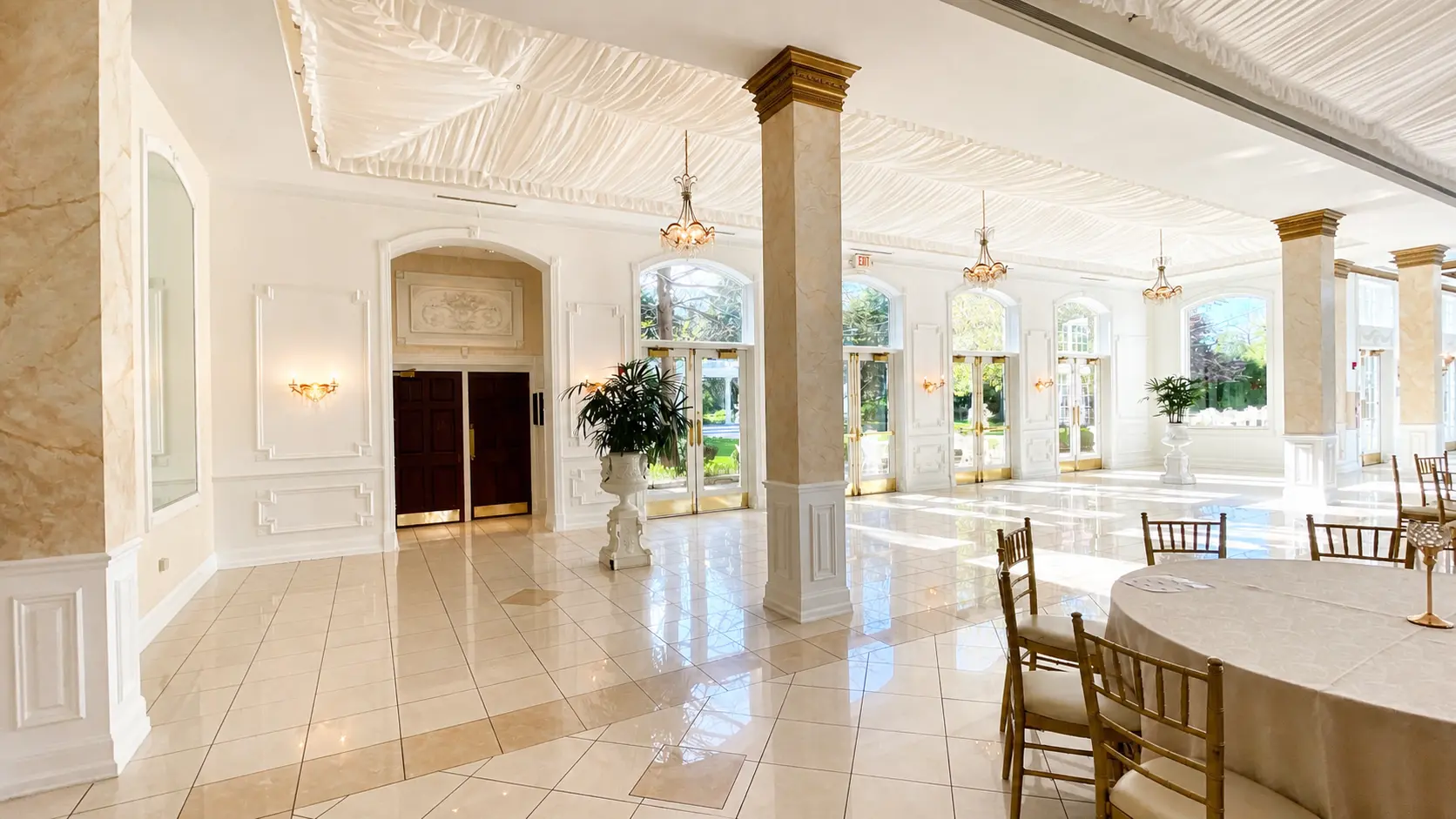
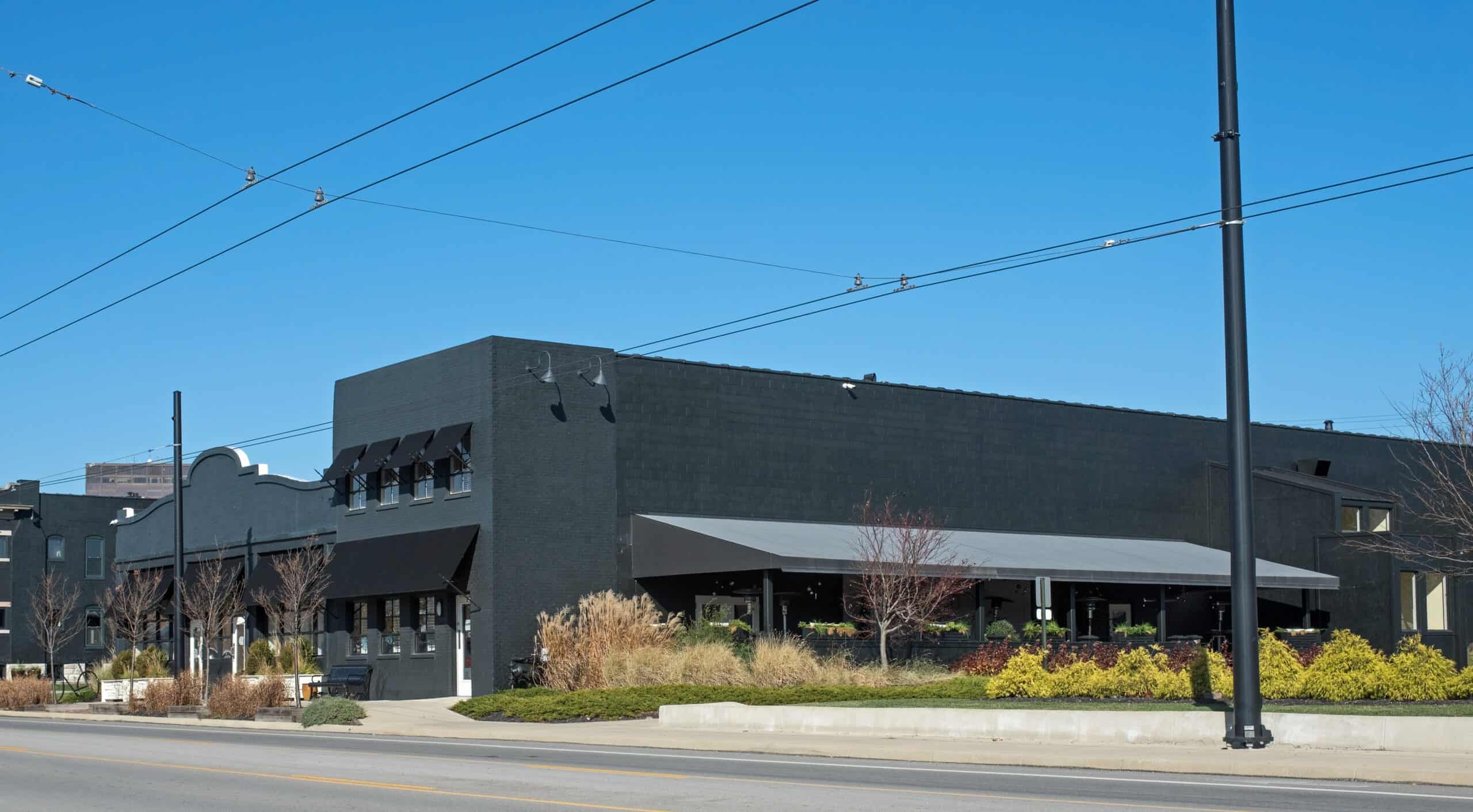
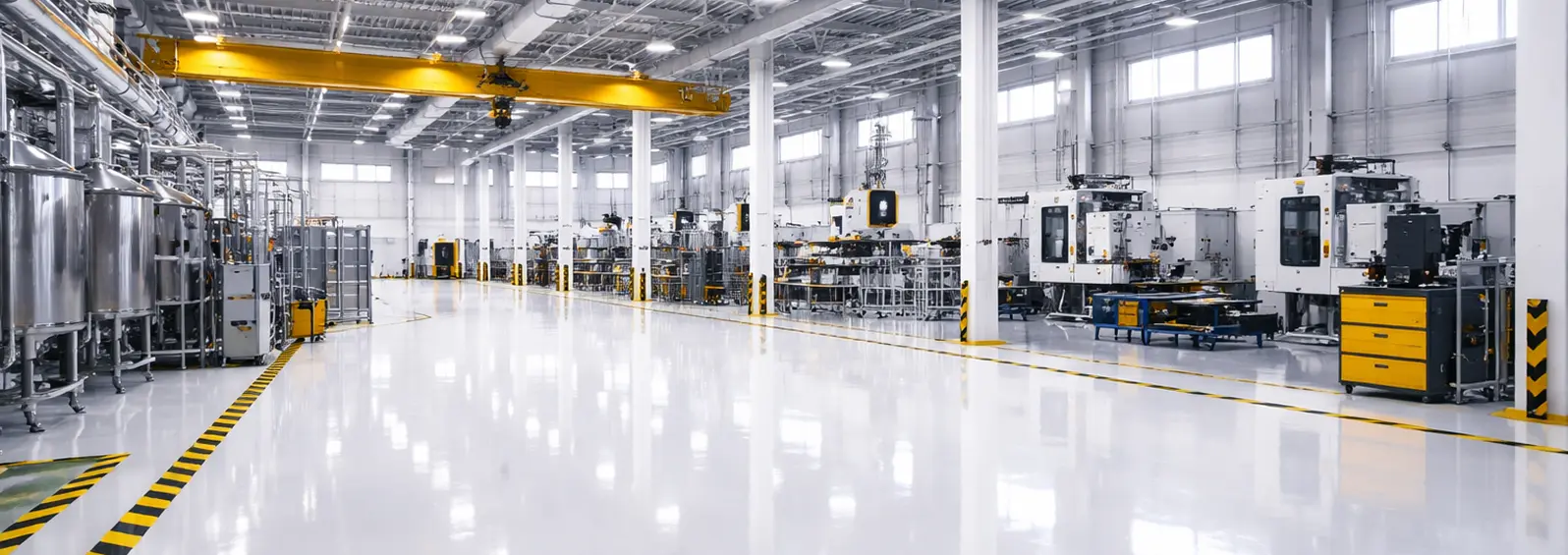
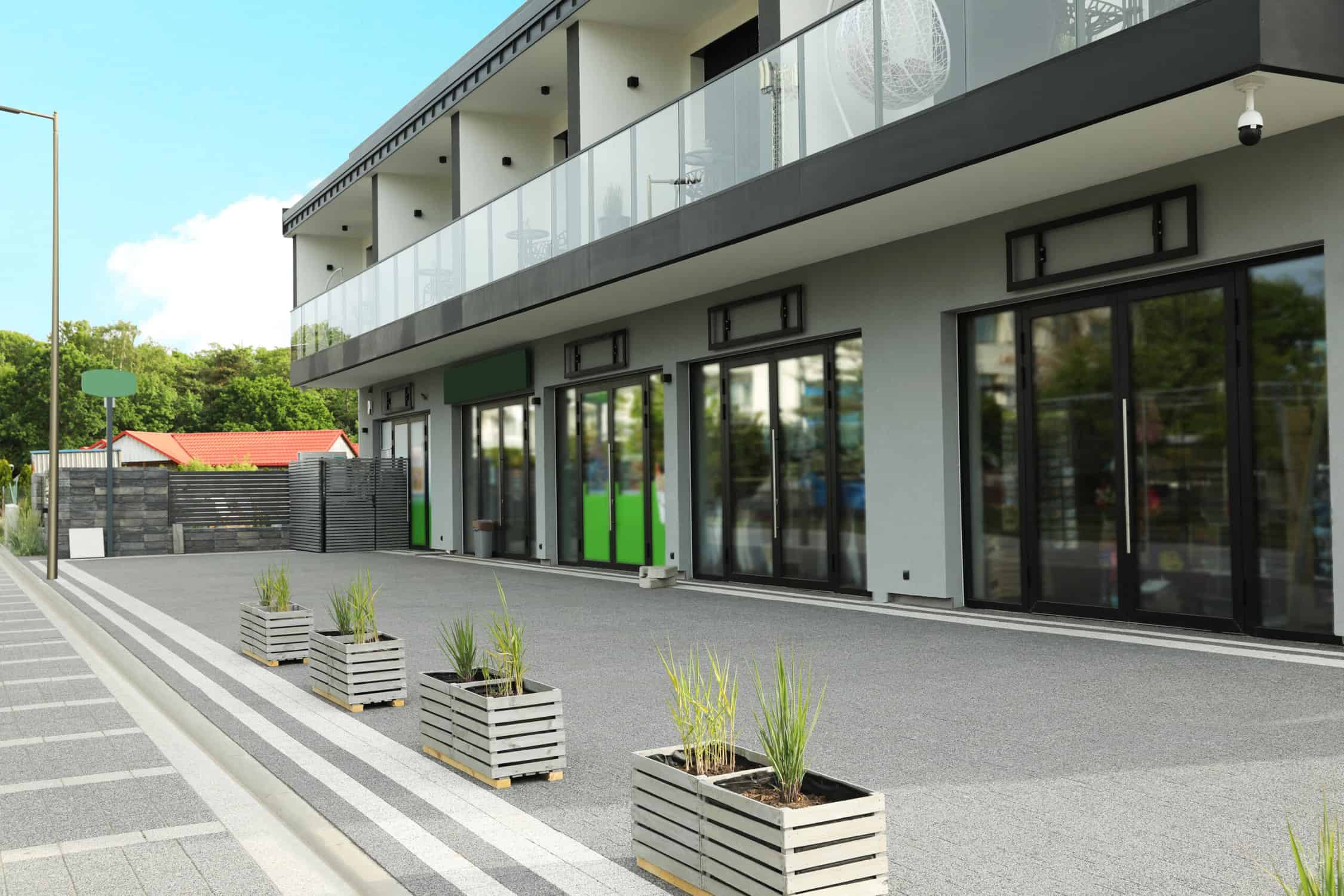
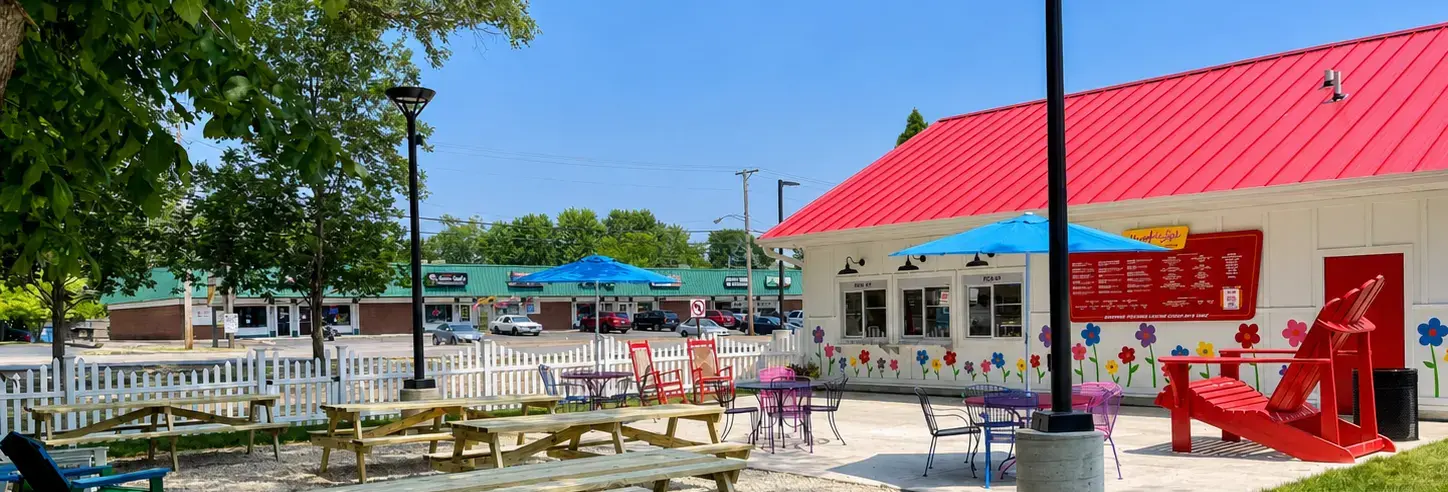
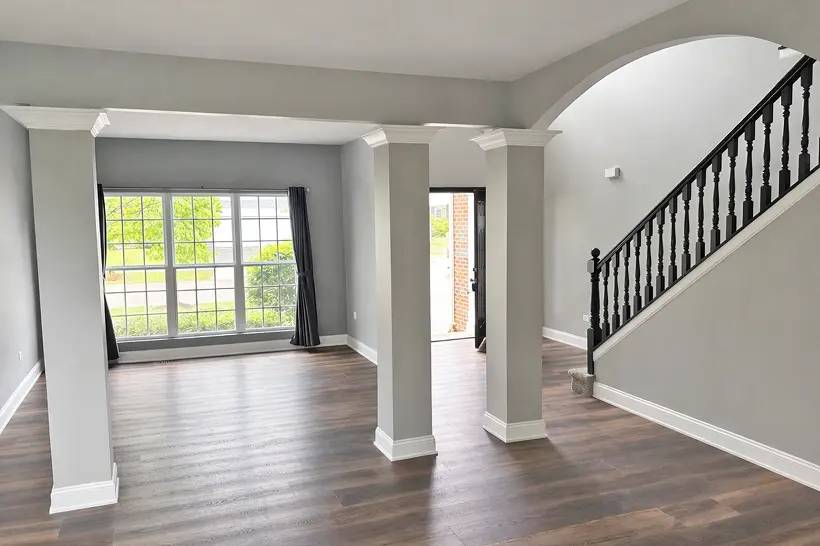
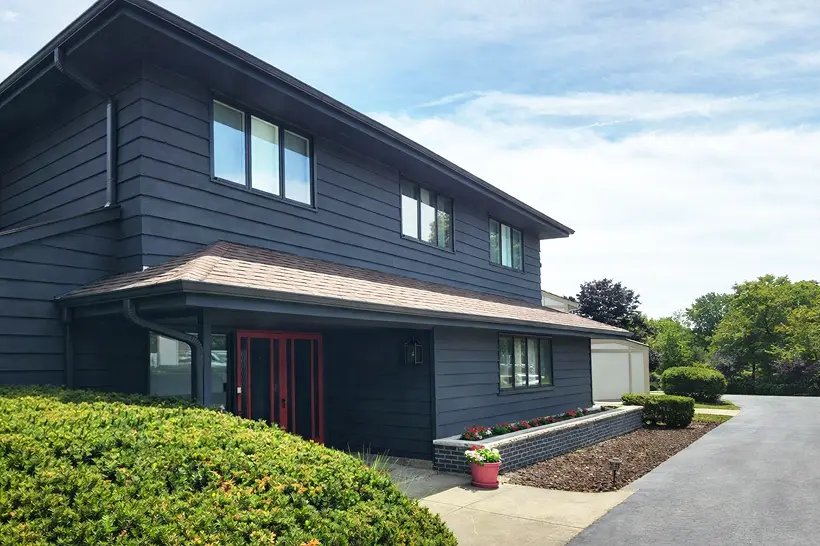
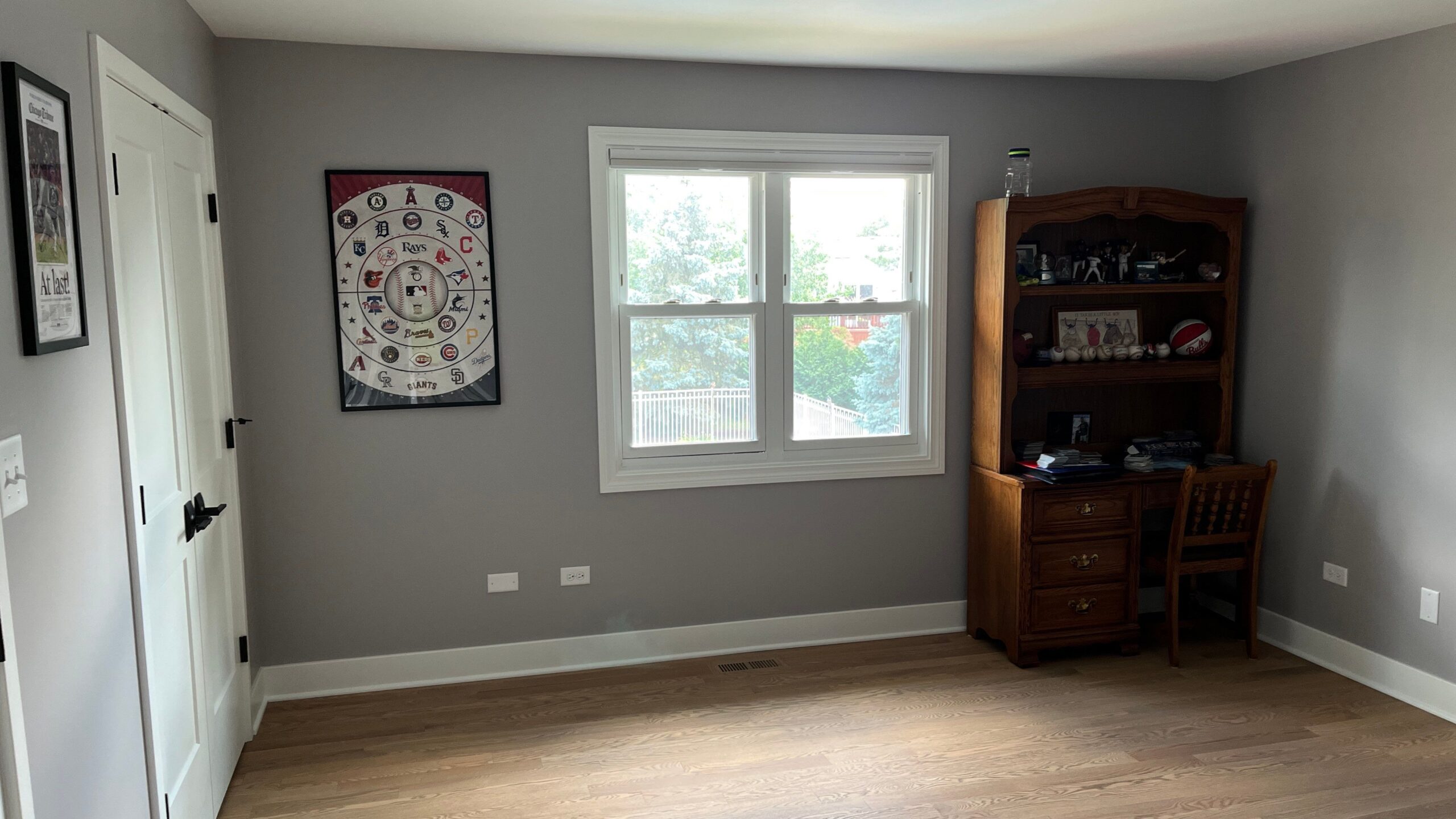
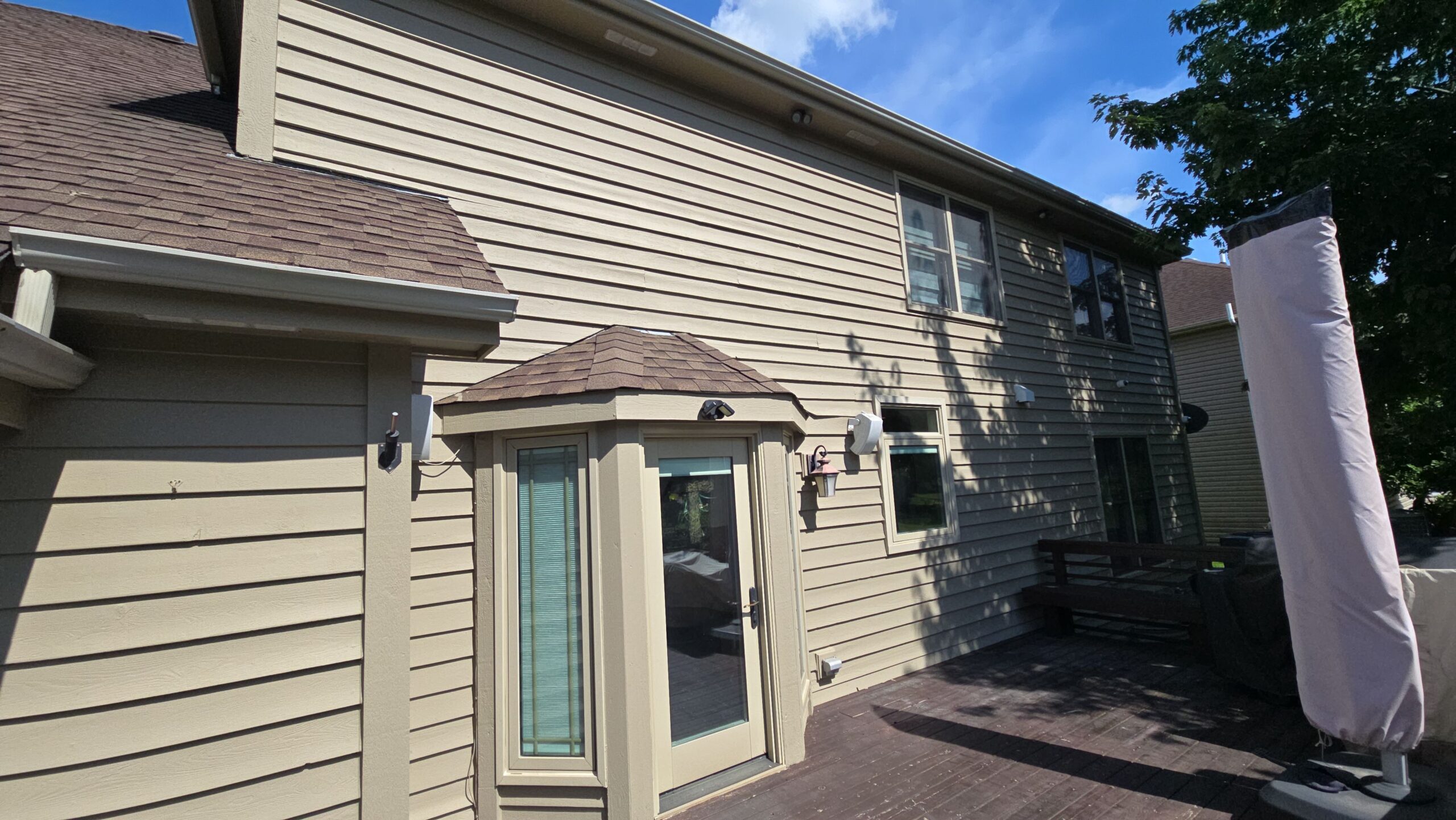
Recent examples of finishes, color direction, and surface types we discuss during commercial estimates.
Questions about timing or cost?
We can walk through preparation, access, and what affects your estimate before work begins.
Our process
How we approach commercial projects
- 01
Needs assessment
We identify included areas, operating hours, stakeholder contacts, and any restrictions on noise, odor, or access.
- 02
Scope definition
Surfaces, repairs, coating types, and phasing are documented so facility teams and decision-makers share one reference.
- 03
Schedule coordination
Work windows, staging, ventilation, and tenant or customer communication are aligned before mobilization.
- 04
Preparation and protection
Active areas are isolated where possible, surfaces are prepared, and durable products are applied to the agreed specification.
- 05
Area turnover
Completed zones are cleaned and released back to use according to the phased plan and curing requirements.
Planning
What affects cost and timeline
- Total square footage and ceiling height
- Number of rooms, corridors, or exterior elevations
- Surface condition and repair requirements
- Occupied versus vacant conditions
- After-hours or weekend work windows
- Durability requirements and specialty coating needs
Useful details
Commercial FAQs
Can painting be phased around business hours?
Often, yes. Feasible work windows, access, noise, ventilation, and sequencing are reviewed for the specific property.
Do you paint occupied commercial spaces?
Many spaces can be handled with careful phasing and protection. Site conditions and operational requirements are confirmed during the estimate.
Can you help choose durable finishes?
We can discuss coating and sheen options based on traffic, cleaning, moisture, lighting, and desired appearance.
What information helps with a commercial estimate?
Floor plans, photos, access rules, desired timing, operating hours, included surfaces, and a decision-maker contact all help define the scope.
Do you handle large industrial coatings?
Project fit is assessed during the estimate. Specialized industrial systems or conditions outside standard architectural painting may require another provider.
Start with a clear estimate
Planning commercial painting in West Michigan?
Tell us what you are planning. We’ll help define the right scope and next step for your property.