A focused transformation for hardworking rooms
Cabinet Painting in Grand Rapids, MI
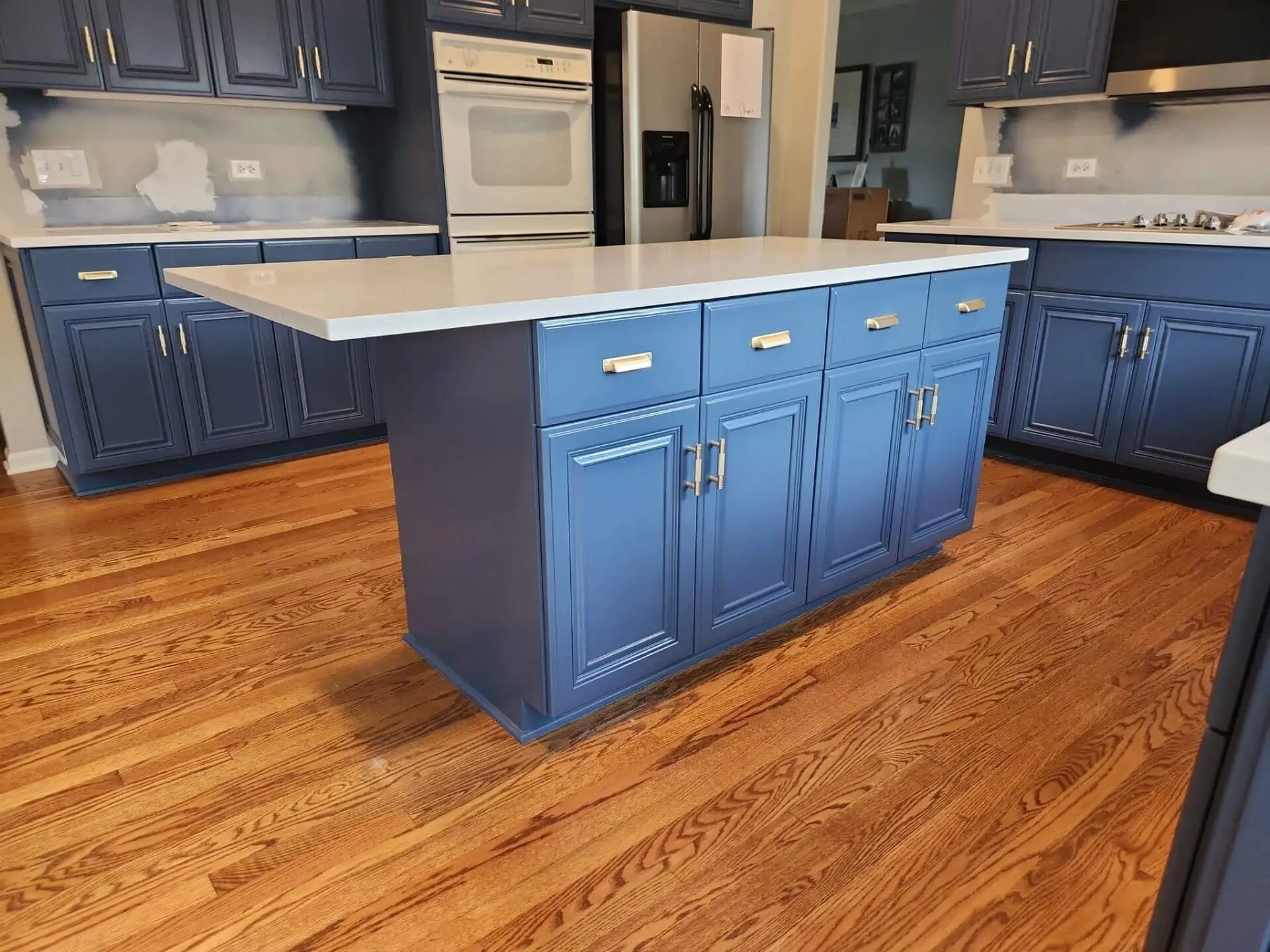
Cabinet painting can shift the entire character of a kitchen or built-in without changing its layout. Success depends on methodical cleaning, preparation, labeling, and a coating system appropriate for repeated handling.
01
What this service includes
- Cabinet material and finish compatibility review
- Removal, labeling, and organization of doors and drawers
- Degreasing, scuff sanding, and selected defect repair
- Application of compatible primer and finish system
- Reinstallation of labeled components
- Masking and protection of counters, floors, and appliances
- Care instructions for curing and gentle use
Ready for cabinets in West Michigan?
Share your rooms, surfaces, or elevations — we'll help define scope and next steps.
In depth
Service overview
Overview
Cabinet painting is one of the most cost-effective ways to change the feel of a kitchen, bathroom vanity, laundry room, or built-in storage wall without replacing cabinetry. Done well, it can modernize color, reduce visual heaviness, and tie the room together with updated walls and trim. Done poorly, it peels at edges, shows every grease trace, and fails where fingers contact doors daily.
Grand Rapids Painting Services treats cabinet refinishing as a preparation-heavy specialty, not a quick coat over existing varnish. During an estimate, we review whether the boxes, doors, and drawer fronts are structurally sound and compatible with a site-applied coating system. Peeling laminate, failing thermofoil, swollen MDF, active water damage, and loose joinery limit what paint can reasonably accomplish and are discussed honestly before work is approved.
We also clarify scope details that are easy to overlook: islands, tall pantries, open shelving, end panels, toe kicks, crown at cabinet tops, appliance panels, and nearby trim and molding are identified individually rather than assumed.
Benefits
Cabinet painting can deliver a dramatic visual change with less demolition and downtime than a full remodel. Homeowners who like their layout but not their honey oak, dark stain, or dated painted finish often find refinishing to be the right middle path. Landlords and sellers can refresh a tired kitchen without replacing functional boxes that still have years of service left.
Because cabinets are touched constantly, the benefit of proper degreasing, abrasion, and compatible primer is durability at the edges and around handles where coatings fail first. A thoughtful color choice can also make countertops, backsplash tile, flooring, and wall color feel more intentional. Sampling in the actual room under daylight and artificial light is strongly recommended.
Cabinet work pairs naturally with interior painting and ceiling painting when the goal is a cohesive room reset rather than isolated components.
Preparation and process
Kitchen residue, cooking oils, and hand contact create adhesion challenges that walls rarely present at the same intensity. Cleaning and degreasing are essential first steps. Preparation may also include scuff sanding, filling selected defects, caulking appropriate stationary joints, and applying a bonding primer suited to the substrate.
Doors and drawers are removed, labeled, and organized so each returns to the correct opening. Application and curing require controlled conditions; a coating may feel dry while still vulnerable to normal use. We discuss expectations for grain telegraphing, profile detail, and the difference between a refined site finish and a factory-applied surface.
Hardware removal and reinstallation can be included when discussed in advance. New hole spacing or carpentry modifications are not assumed. Counters, appliances, floors, and backsplashes are protected throughout the process.
Michigan and West Michigan considerations
Grand Rapids kitchens see year-round use, and humidity swings from cooking, dishwashers, and seasonal ventilation habits can affect curing and long-term performance. Winter projects may require attention to indoor humidity and heat. Summer projects may need careful sequencing around open windows and daily cooking routines.
Older homes in established neighborhoods sometimes have solid wood cabinets with decades of finish buildup, while newer construction in suburban communities often includes MDF or thermofoil components that must be evaluated individually. Bath vanities in second-floor bathrooms may show water damage near sinks that should be corrected before cosmetic coating.
If a kitchen is part of a broader residential painting plan, cabinet sequencing relative to walls and ceilings is planned to reduce rework and masking conflicts.
Who it is for
Cabinet painting is best for homeowners who want a visible kitchen or bath update without replacing functional cabinetry. It also fits investment properties, move-in refreshes, and owners preparing a home for sale when the layout works but the finish feels dated.
It is not the right solution for every cabinet. Failed laminate, widespread water damage, or cabinets approaching the end of structural service may be better candidates for replacement or refacing after an honest evaluation.
What affects cost and timeline
Cabinet estimates reflect door and drawer count, material condition, finish system, and how much of the room must be protected during work. A small laundry or bath vanity is a different scope than a large kitchen with island, tall units, glass inserts, and extensive hardware.
Timeline is influenced by cleaning depth, repair needs, number of coats, drying and cure windows, and whether the kitchen must remain partially usable. Hardware changes, interior coating, and coordination with wall or ceiling painting can extend scheduling but often improve the final result.
Occupied-home sequencing matters in West Michigan kitchens used daily through cold months when window ventilation is limited. We can discuss which cabinets remain accessible during prep, how long counters and appliances stay masked, and whether adjacent interior painting should wait until cabinet cure windows pass. Sampling door and drawer colors on removable panels or inside closet doors helps confirm undertones under your actual lighting before full application begins.
For a cabinet-specific evaluation, contact us with photos of the current finish, hardware, and any peeling, swelling, or water staining you have noticed.
Project examples
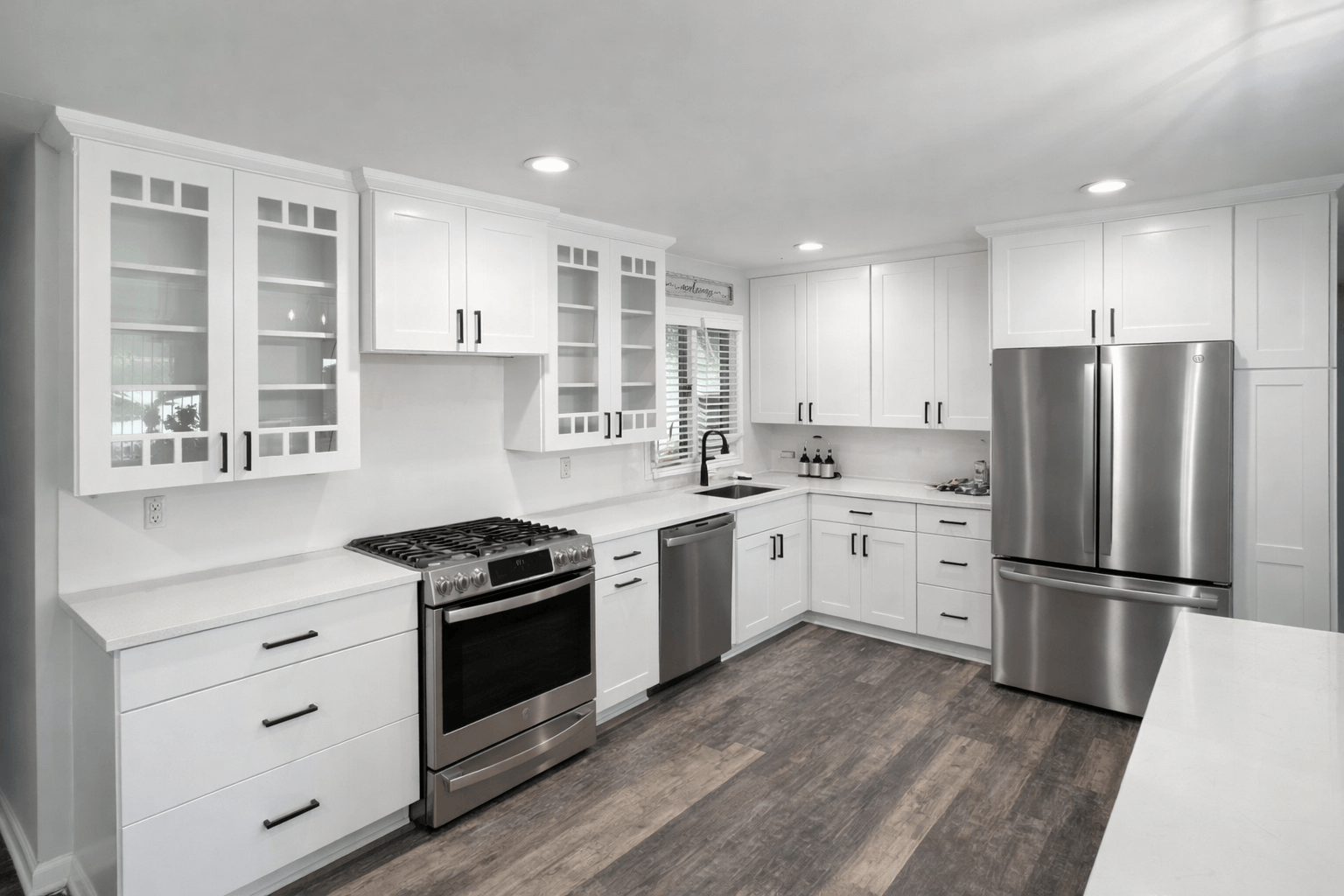
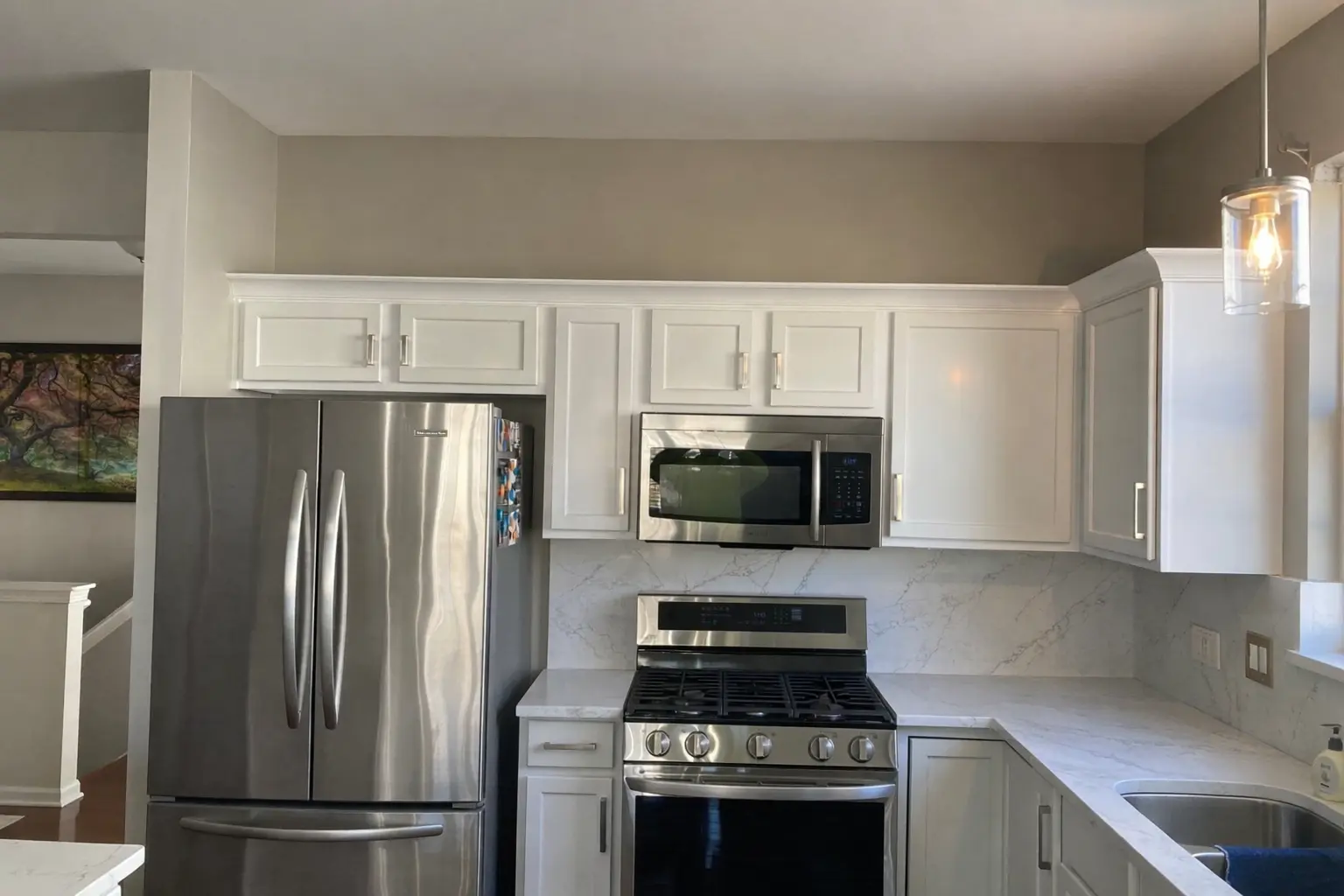
Cabinets inspiration
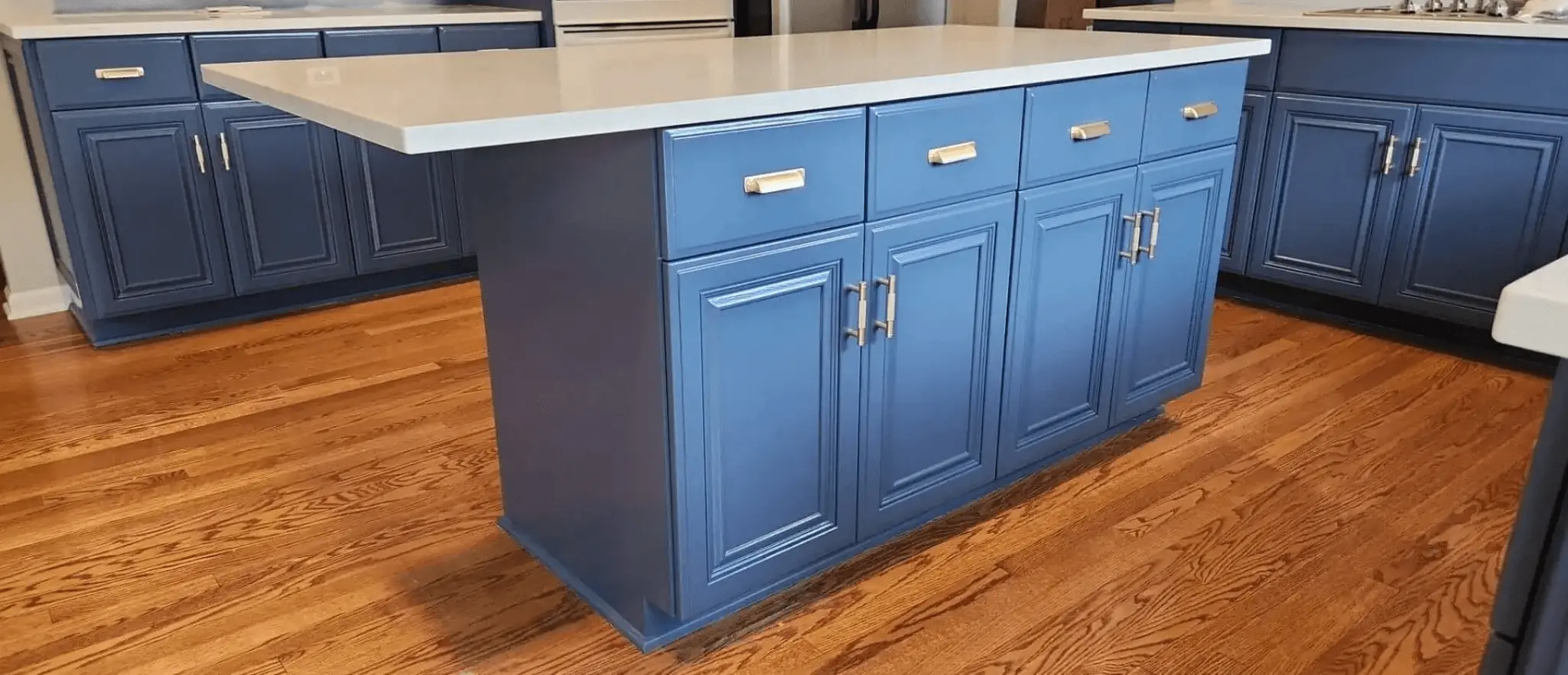
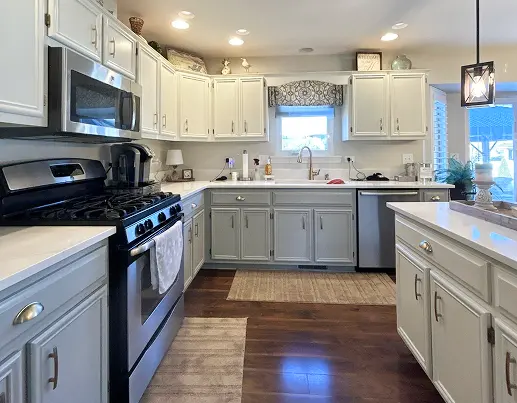
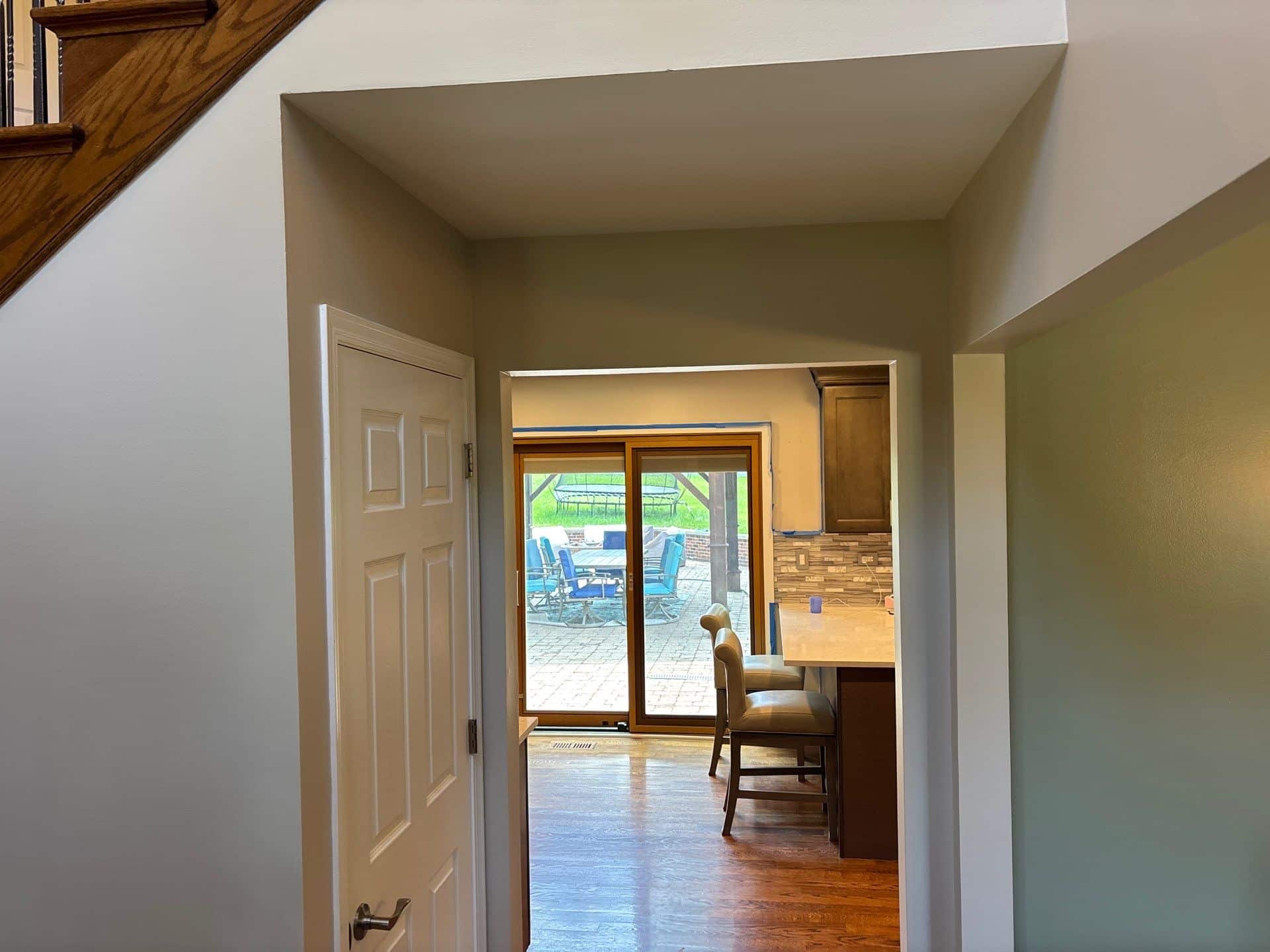
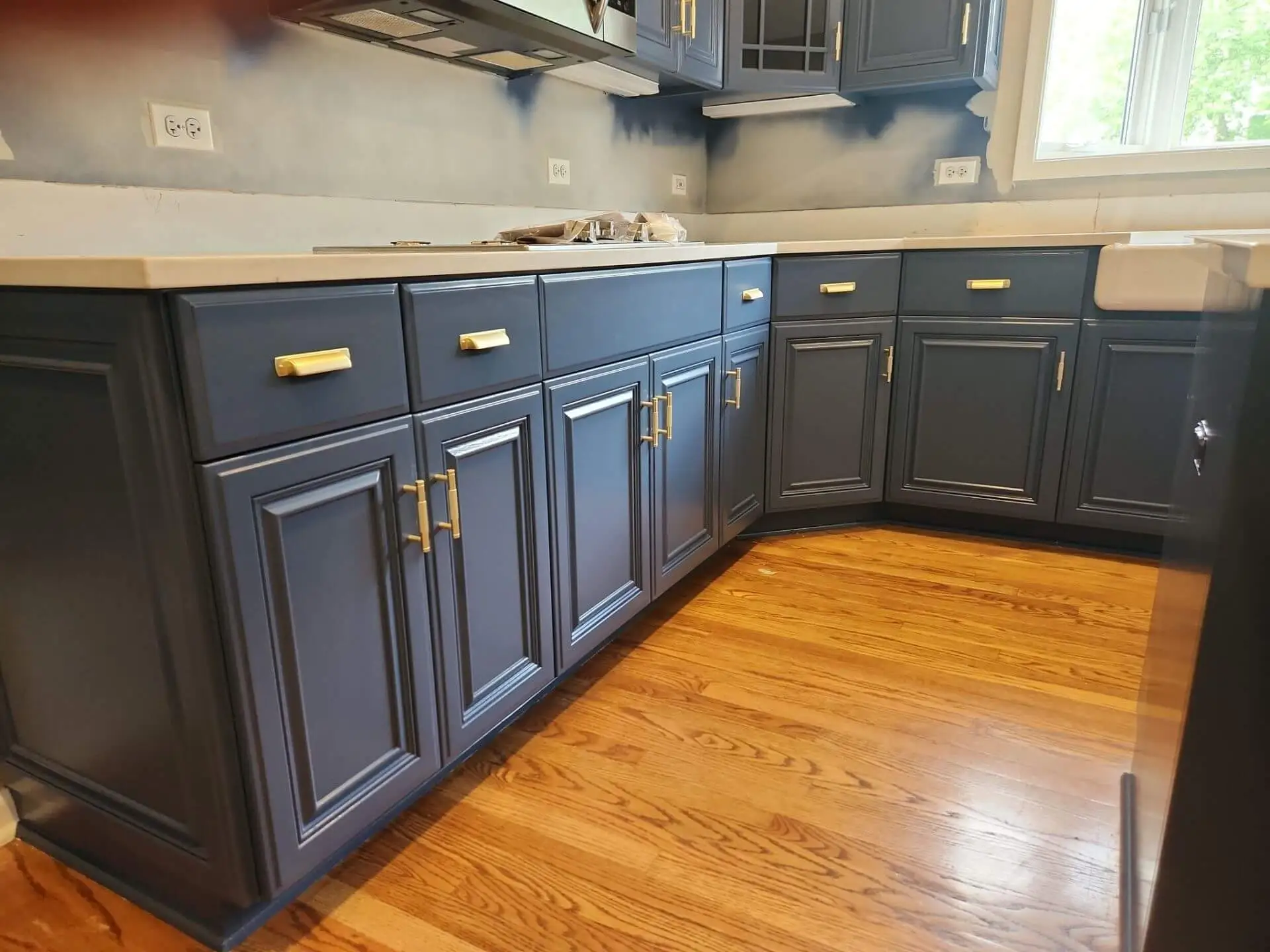
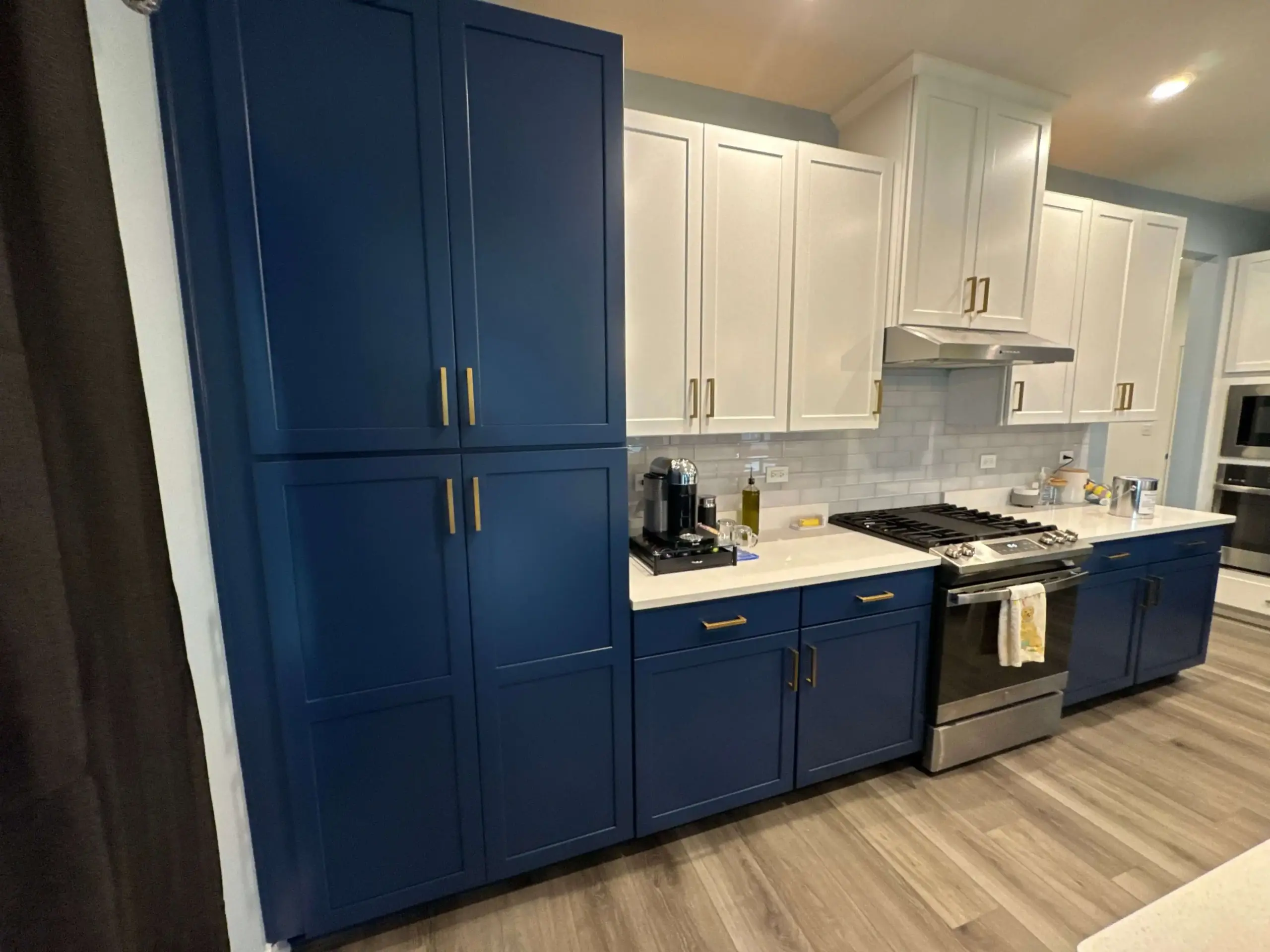
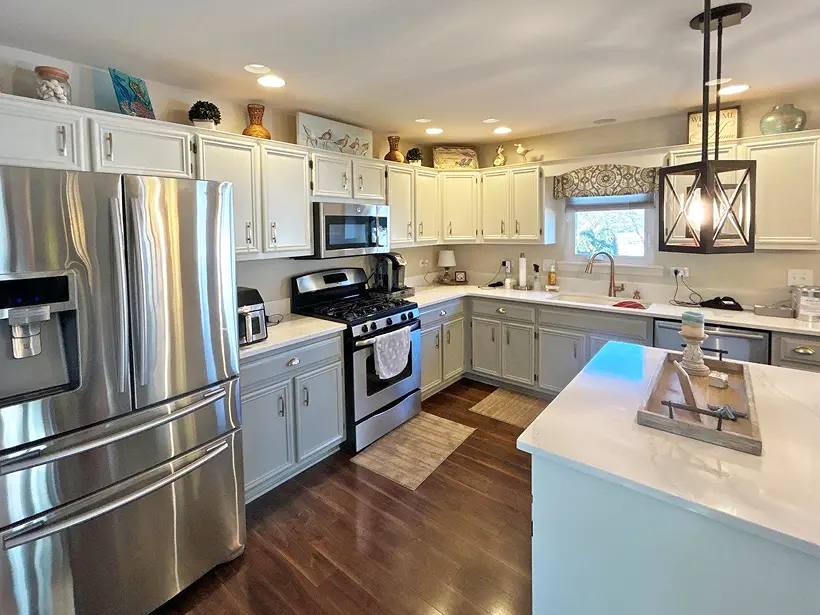
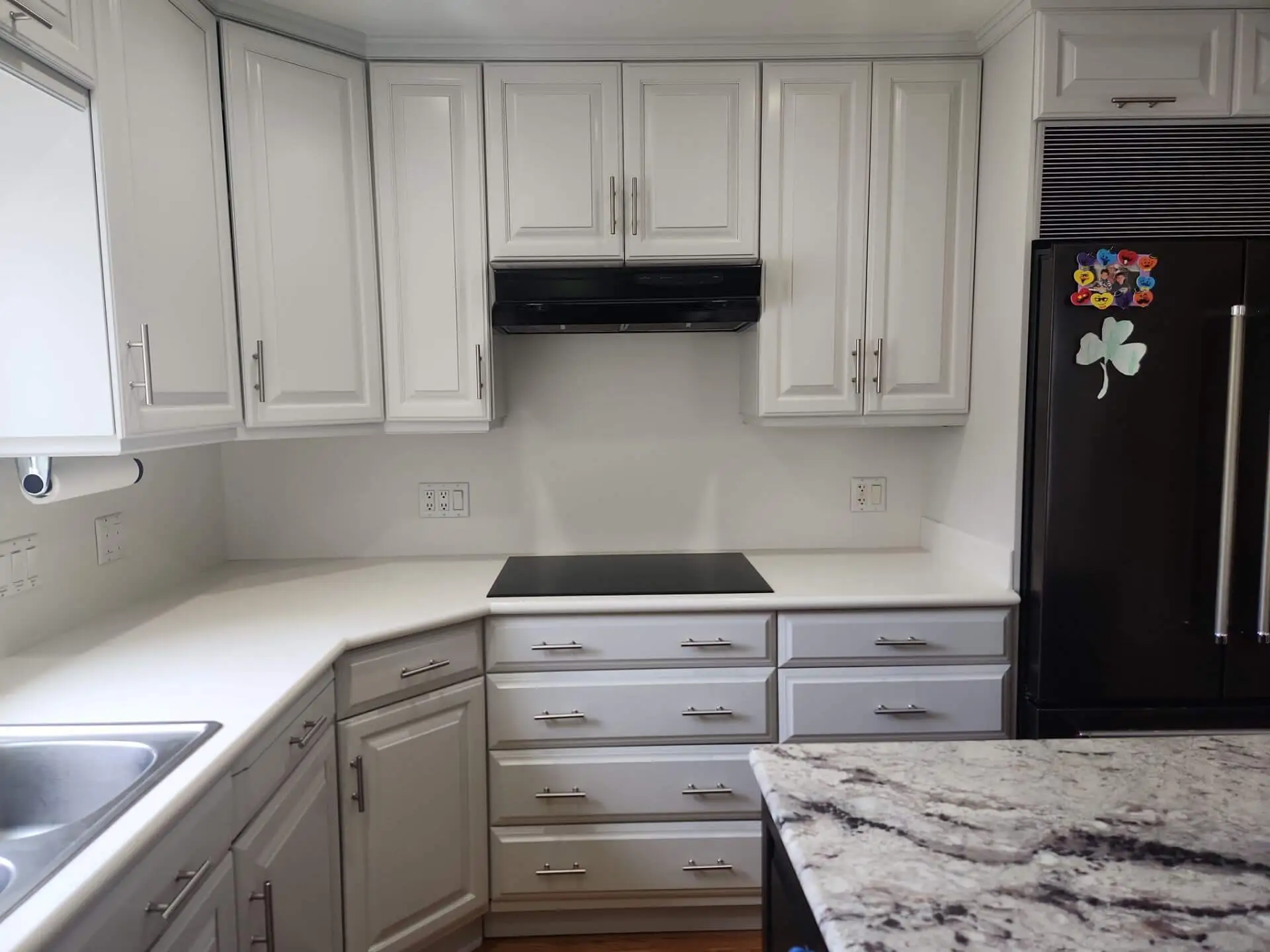
Recent examples of finishes, color direction, and surface types we discuss during cabinets estimates.
Questions about timing or cost?
We can walk through preparation, access, and what affects your estimate before work begins.
Our process
How we approach cabinets projects
- 01
Cabinet evaluation
We review material type, existing finish, hardware, end panels, and surrounding surfaces to confirm painting is appropriate.
- 02
Scope and finish planning
Color, sheen, included components, and hardware handling are documented in the estimate along with realistic finish expectations.
- 03
Cleaning and preparation
Surfaces are degreased, scuffed, repaired where suitable, and primed with a system compatible with the substrate.
- 04
Finish application
Doors, drawers, and boxes receive controlled coats with attention to edges, profiles, and drying conditions.
- 05
Reassembly and review
Components are reinstalled in labeled positions and the finished kitchen or bath is reviewed with care and use guidance.
Planning
What affects cost and timeline
- Number of doors, drawers, and cabinet boxes included
- Cabinet material and existing coating condition
- Level of cleaning, repair, and primer required
- Kitchen or bath size and surrounding protection needs
- Hardware removal, reinstallation, or changes
- Finish system and number of coats
Useful details
Cabinets FAQs
Will painted cabinets look factory finished?
A professional site-applied finish can look refined, but it is not identical to a factory finish. Existing grain, profiles, damage, and site conditions affect the result.
Can every cabinet be painted?
No. Material compatibility and condition must be evaluated. Failing laminate, thermofoil, damage, or contamination may make painting unsuitable.
Do you paint cabinet interiors?
Interiors are not automatically included. They can be discussed and explicitly identified in the estimate when appropriate.
When can we use the cabinets again?
Dry and cure times differ. The project plan will include guidance for reassembly and gentle use based on the selected coating.
Can hardware be changed at the same time?
Hardware removal and reinstallation can be discussed. New hole patterns or carpentry modifications must be identified in advance.
Start with a clear estimate
Planning cabinet painting in West Michigan?
Tell us what you are planning. We’ll help define the right scope and next step for your property.