Care for outdoor wood
Deck & Fence Staining in Grand Rapids
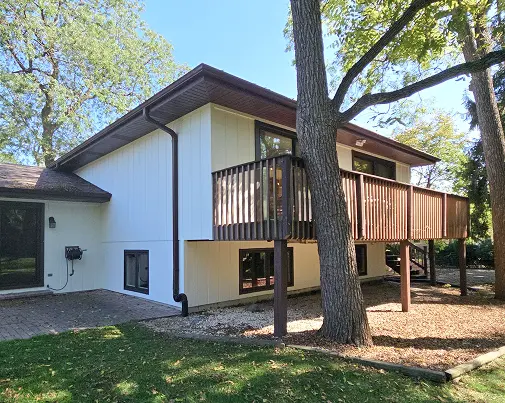
Decks and fences face sun, water, snow, foot traffic, and seasonal movement. A suitable staining plan starts with the wood's condition and moisture—not simply a preferred color.
01
What this service includes
- Wood condition and coating compatibility review
- Surface cleaning suited to the substrate
- Removal of loose or failing coating where required
- Application of specified stain or sealer system
- Protection of adjacent landscaping and structures
- Dry-time planning before normal use
- Scope review for boards, rails, posts, and gates
Ready for decks & fences in West Michigan?
Share your rooms, surfaces, or elevations — we'll help define scope and next steps.
In depth
Service overview
Overview
Decks and fences are among the most exposed wood surfaces on a residential or light commercial property. Horizontal deck boards collect water, snow, grit, and foot traffic. Fence faces weather unevenly depending on orientation, landscaping, and how much sun and wind they receive. A stain or sealer that looks right on a sample board may behave very differently on ten-year-old pressure-treated decking or gray weathered cedar.
Grand Rapids Painting Services begins deck and fence projects with the wood itself. New lumber, weathered boards, and previously coated surfaces accept stain differently. We assess peeling, mildew-like growth, checking, splintering, and areas that hold moisture. Boards with rot or structural movement need repair before cosmetic treatment, and existing coatings may limit which products can be applied without more extensive removal.
The estimate defines included surfaces—floor boards, stairs, rails, posts, lattice, fence panels, gates, and any compatible pergola or wood detail—so there is no confusion about what is in scope.
Benefits
Proper staining highlights grain, adds color, and helps wood shed moisture more predictably than bare or failing surfaces. For backyard decks used from spring through fall, a refreshed finish can make the space feel maintained and inviting. For privacy fences along property lines, uniform color can improve curb appeal and neighbor-facing presentation.
More opaque products can create a uniform appearance on mixed-age boards, while transparent and semi-transparent finishes emphasize natural character when the wood is in suitable condition. The right choice depends on the starting point, not just the color swatch.
Routine staining also creates a natural inspection interval. Failing coatings, soft boards, loose rail connections, and drainage issues are easier to address when they are not hidden under dirt and gray weathering.
Preparation and process
Cleaning removes dirt and biological buildup that would block stain penetration, but aggressive methods can damage wood fibers. The appropriate approach is selected for the condition of the surface. Loose or incompatible previous coatings may require scraping or sanding before a new system can be applied.
Dry time is critical. Wood can appear surface-dry while still holding moisture in joints, end grain, and shaded areas. West Michigan humidity, overnight dew, recent rain, and dense landscaping all affect scheduling. Stain is applied only when conditions align with the selected product’s requirements.
When cleaning is part of the preparation plan, pressure washing may be used where appropriate for the material. Availability and exact scope are confirmed during the estimate; it is not assumed for every project. Staining is often coordinated with broader exterior painting or residential painting plans when homeowners want the whole property refreshed in one season.
Michigan and West Michigan considerations
Grand Rapids decks and fences endure long winters, freeze-thaw cycles, and extended periods of snow contact on horizontal surfaces. Spring projects often follow a period of saturation and temperature fluctuation that makes moisture testing more important than calendar date alone.
South-facing fence lines and west-facing deck surfaces may fade faster than shaded sections on the same property. Homes near mature tree cover in Ada, Cascade, or East Grand Rapids may stay damp longer after rain. New pressure-treated lumber installed last season may still need additional drying time before accepting certain coatings.
Foot traffic areas on deck floors wear faster than vertical rails, so maintenance expectations should reflect real use. Gate hardware, post bases, and board ends near grade deserve particular attention during preparation.
Who it is for
Deck and fence staining serves homeowners maintaining a backyard gathering space, landlords refreshing outdoor amenities, and property owners preparing a home for sale when exterior wood looks tired. It is also useful for light commercial or multifamily outdoor areas where wood surfaces are part of the customer or tenant experience.
Projects with widespread structural decay, unsafe rail systems, or specialty hardwood restoration outside standard architectural staining may require additional trades or a different scope than cosmetic refinishing alone.
What affects cost and timeline
Staining estimates reflect total wood surface area, condition, access, and how much failing coating must be removed. A small ground-level deck with sound wood is a different project than a second-story deck with intricate railings, built-in benches, and widespread peeling.
Fence pricing depends on height, length, number of gates, and whether both sides are accessible and included. Finish opacity, number of coats, and product system also influence labor and materials.
Weather is the largest scheduling variable. A project may be ready from a planning standpoint but need to wait for suitable drying and application conditions. Request an estimate with approximate dimensions, photos of the wood condition, and notes about prior stain or sealer if known.
Fence projects along property lines shared with neighbors need clarity about access, gate hardware, and whether both sides are included before work is scheduled. We also note board replacement limits during estimating—cosmetic stain cannot restore structural integrity on soft or rotted boards that should be swapped first. Coordinating deck and fence work with exterior painting on the same home keeps color harmony across vertical and horizontal wood surfaces visible from the backyard.
Project examples
Decks & Fences inspiration
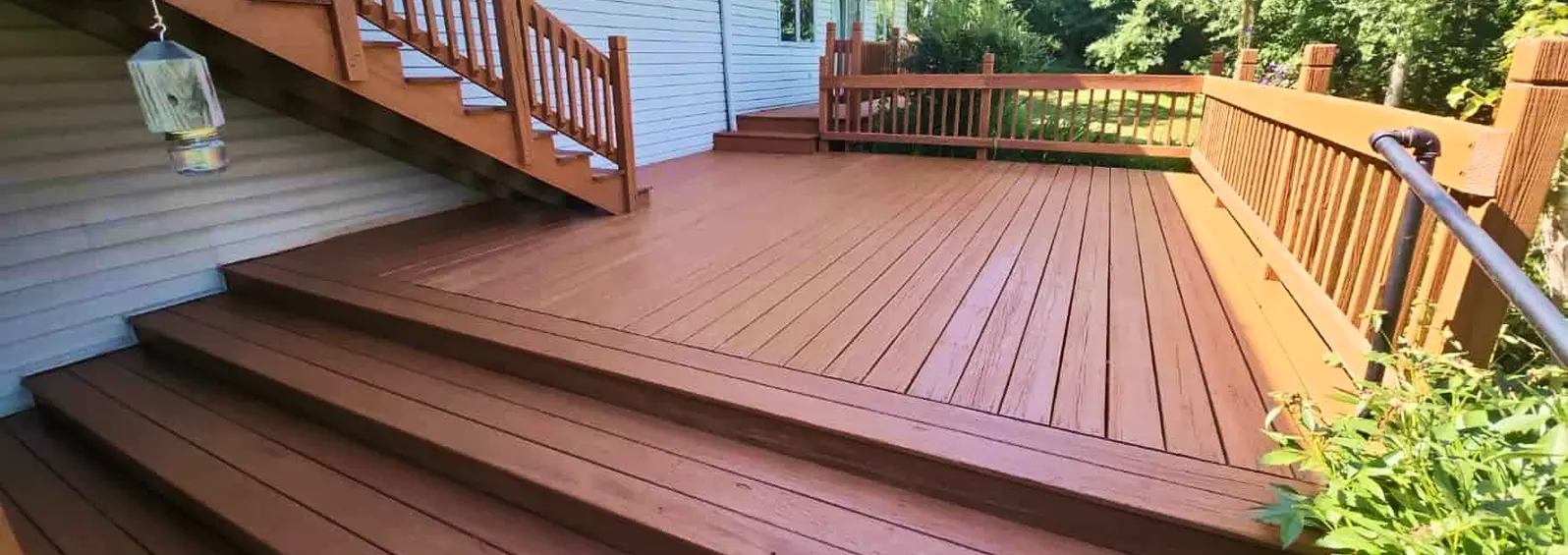
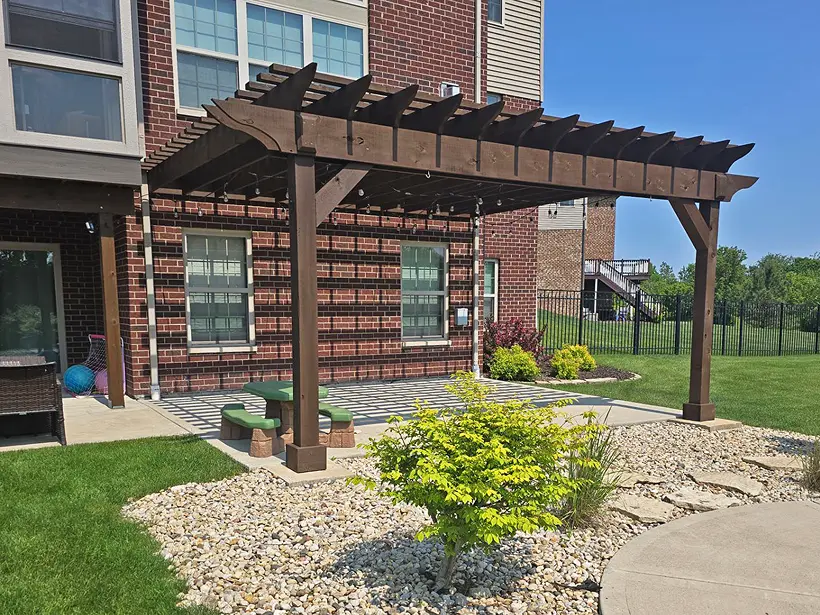
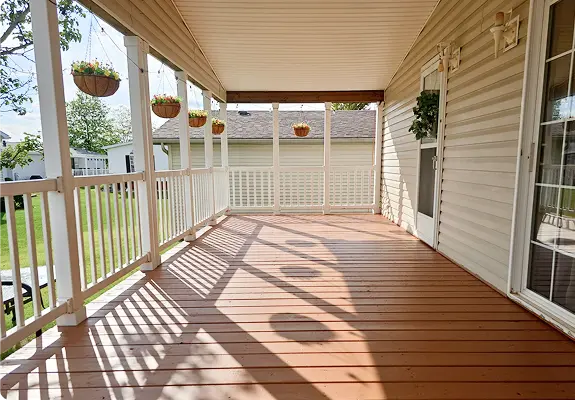
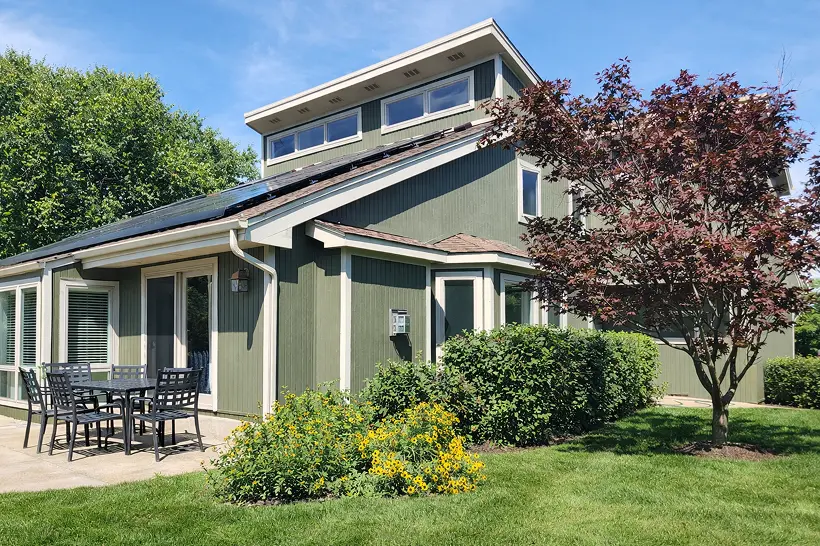
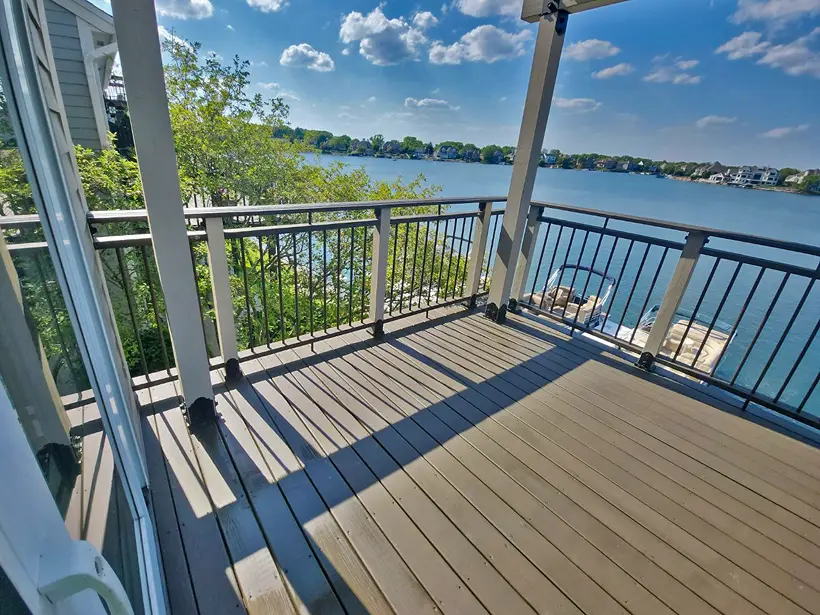
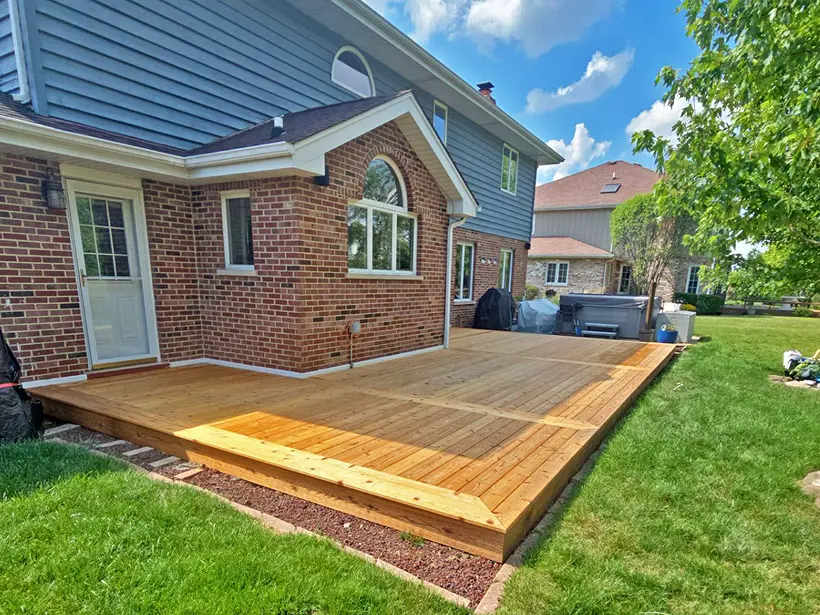
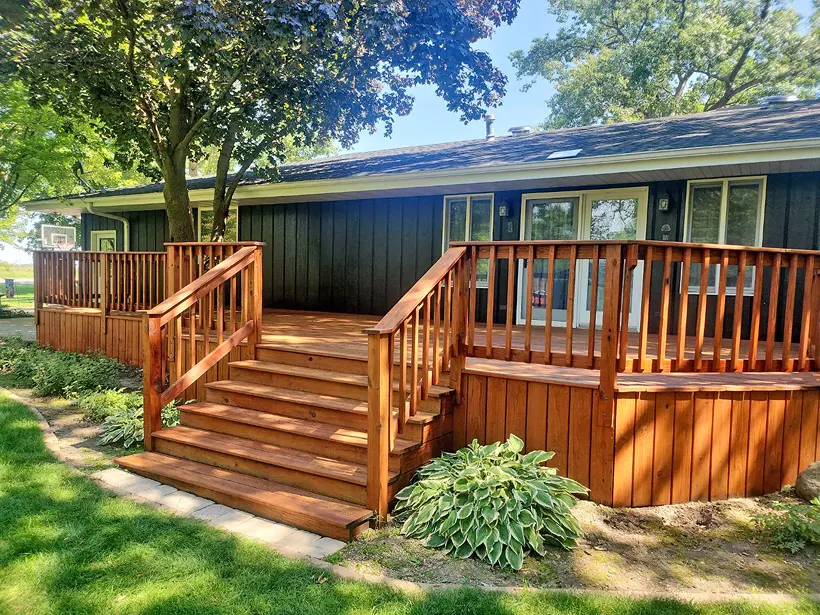
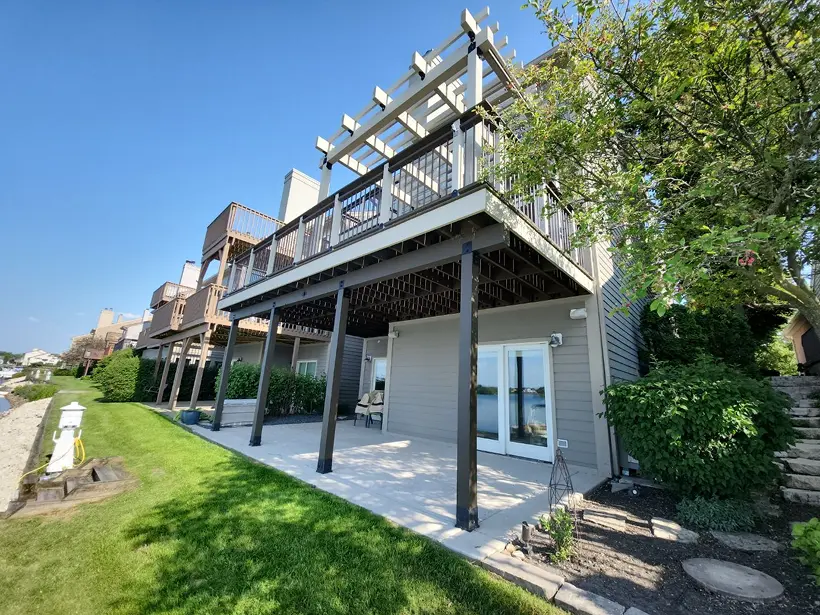
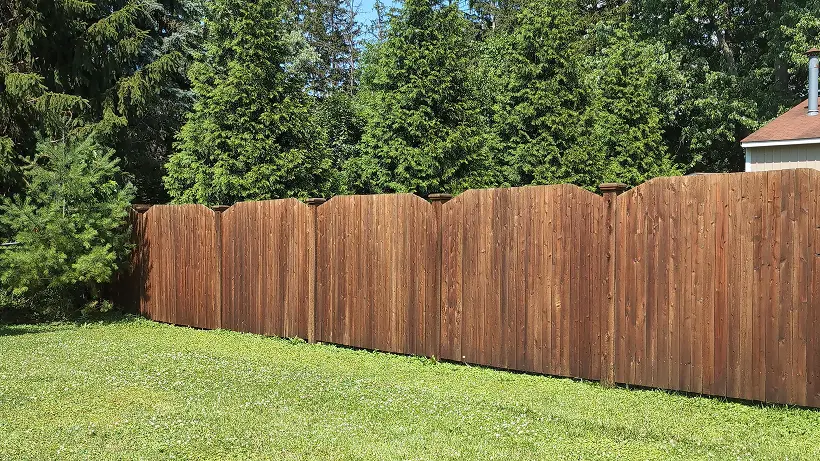
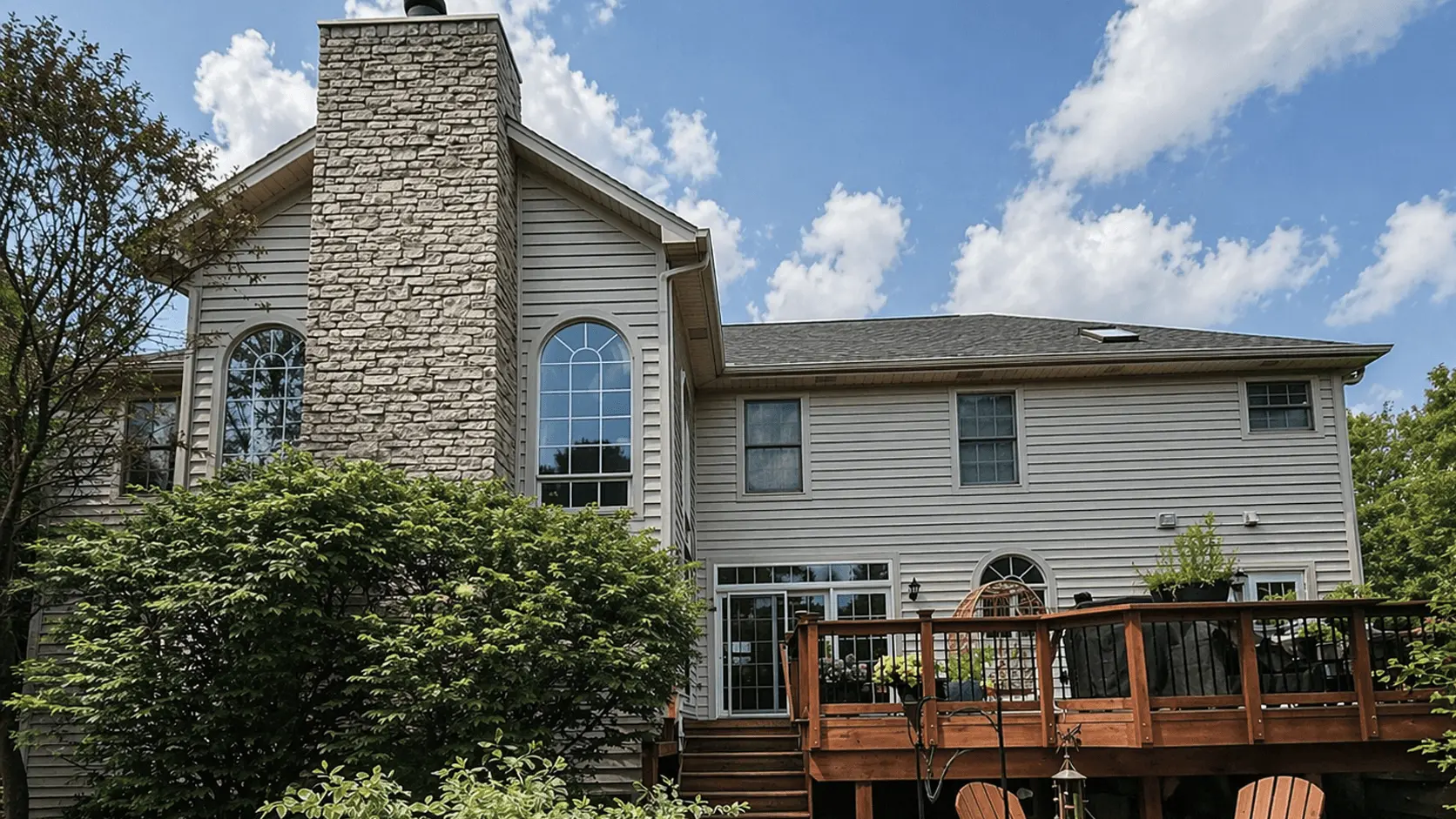
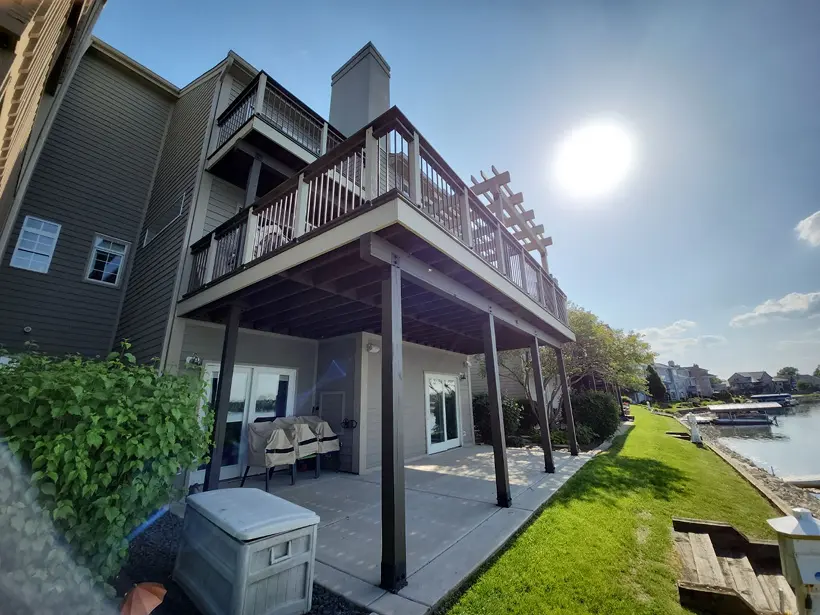
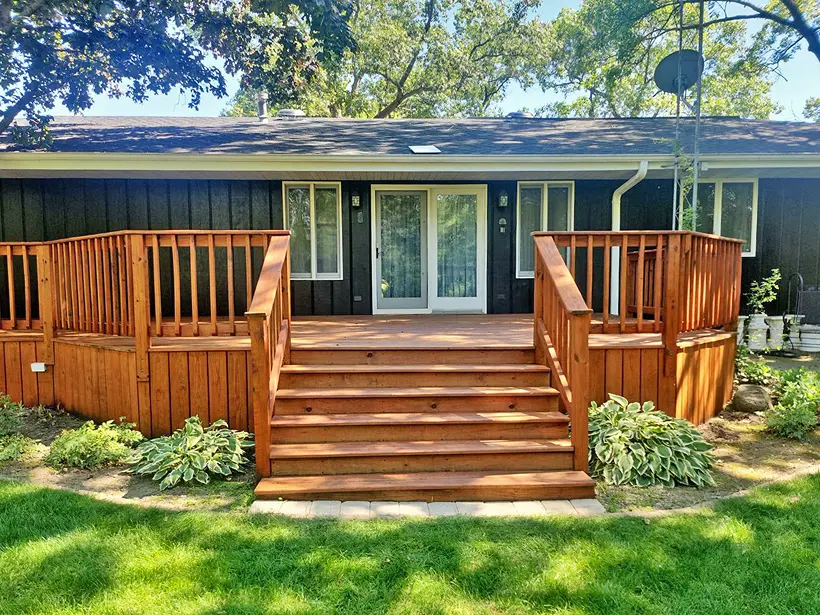
Recent examples of finishes, color direction, and surface types we discuss during decks & fences estimates.

Questions about timing or cost?
We can walk through preparation, access, and what affects your estimate before work begins.
Our process
How we approach decks & fences projects
- 01
Wood assessment
We evaluate age, species when known, existing coating, mildew-like growth, peeling, checking, and structural concerns before recommending a finish.
- 02
Finish selection
Transparent, semi-transparent, and more opaque options are discussed based on wood condition, desired appearance, and maintenance expectations.
- 03
Cleaning and prep
Surfaces are cleaned and prepared without damaging wood fibers; loose coatings are addressed where compatibility requires it.
- 04
Dry-time verification
Stain is applied only when moisture conditions are appropriate for the selected product and site exposure.
- 05
Completion and care guidance
Included surfaces are reviewed and basic maintenance expectations are discussed for foot traffic and seasonal weather.
Planning
What affects cost and timeline
- Square footage of deck flooring and fence panels
- Wood condition and existing coating removal needs
- Height, access, and railing complexity
- Number of gates, stairs, and vertical surfaces
- Finish opacity and number of coats
- Whether both sides of a fence are included and accessible
Useful details
Decks & Fences FAQs
How dry does a deck need to be before staining?
The wood must be sufficiently dry for the selected product. Recent rain, washing, humidity, shade, and lumber age all affect timing.
Can you stain a newly built deck?
New wood often needs time to weather and dry. Timing depends on lumber condition and the coating manufacturer's requirements.
Do you repair rotten boards?
Damaged or unsafe boards are identified during estimating. Repair availability and scope must be confirmed separately before staining.
Which stain opacity is best?
That depends on wood condition, existing coating, desired grain visibility, color, and future maintenance expectations.
Can both sides of a fence be stained?
Yes when access and ownership allow, but both sides must be explicitly included in the estimate.
Start with a clear estimate
Planning deck & fence staining in West Michigan?
Tell us what you are planning. We’ll help define the right scope and next step for your property.