Repair the surface, then refine the room
Drywall Repair in Grand Rapids, MI
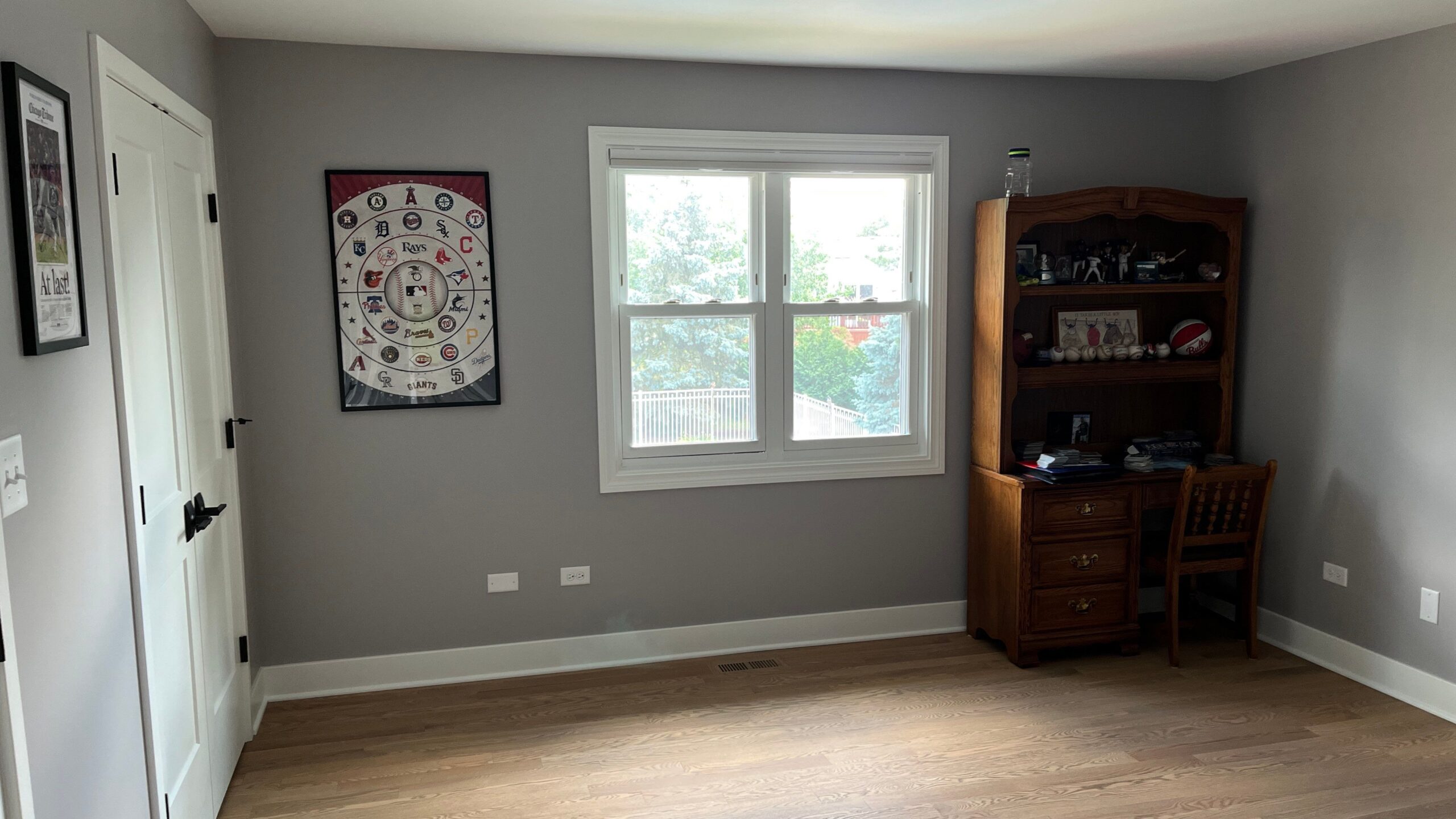
Paint highlights rather than hides many wall defects. Drywall repair creates a more consistent foundation by addressing holes, damaged paper, stress cracks, and uneven previous patches before finish paint.
01
What this service includes
- Damage assessment and repair scope definition
- Removal of loose material and stabilization of openings
- Patching, feathering, and sanding as appropriate
- Spot priming of repaired areas
- Dust control and protection of adjacent surfaces
- Coordination with interior painting when included
- Review of repair visibility under expected lighting
Ready for drywall repair in West Michigan?
Share your rooms, surfaces, or elevations — we'll help define scope and next steps.
In depth
Service overview
Overview
Drywall repair is the bridge between damage and a finish you will be happy to live with. Nail holes, anchor tears, doorknob impacts, settlement cracks, and cutouts from electrical or plumbing work all leave surfaces that paint alone cannot disguise. In fact, fresh paint often makes uneven patches, sanding grooves, and texture differences more visible under natural and artificial light.
Grand Rapids Painting Services matches repair method to damage type. A small fastener hole is not the same as a fist-sized opening, a recurring corner crack, or damaged facing paper that will bubble again if simply skimmed over. During an estimate, we review size, depth, location, existing texture, and whether the damage may be linked to moisture or structural movement.
Active leaks, mold concerns, and significant recurring cracks should be addressed at the source before cosmetic repair is treated as complete. Our role is to create a paint-ready surface within an agreed scope, not to mask conditions that will return.
Benefits
Proper drywall repair improves the visual plane of a room before color is applied. That matters in spaces with large windows, open sight lines, and glossy or semi-gloss trim that throws light across walls. It also matters in hallways, stairwells, and entries where imperfections are seen at an angle throughout the day.
Coordinating repair with interior painting or ceiling painting reduces the frustration of a technically patched wall that still reads differently from surrounding areas. Spot priming helps, but broad walls with many repairs or strong side light often benefit from full-surface painting after patching.
Repair work is also a practical step after removing shelving, changing television mounts, updating outlets, or completing other trades that cut into walls. Addressing those openings as part of a room refresh keeps the final result cohesive.
Preparation and process
Typical repairs may involve removing loose material, securing or backing an opening, applying compound in controlled layers, sanding, cleaning dust, and spot priming. Larger repairs can require multiple visits or drying periods. Texture matching is evaluated case by case because hand-applied or sprayed textures can be difficult to duplicate exactly, especially when aged.
Ceiling repairs deserve special attention. Overhead light and gravity make imperfections more noticeable, and texture on ceilings may be fragile or previously unpainted in older homes. Water stains on ceilings should be traced to a resolved source before sealing and coating.
When finish painting is included, the estimate clarifies whether work stops at paint-ready repair or extends to the surrounding wall or ceiling. Trim and molding painting can be coordinated when baseboards or casings were disturbed during repair.
Michigan and West Michigan considerations
Homes across Grand Rapids and Kent County experience seasonal movement that can reopen stress cracks at corners, above doors, and along stair runs. Cosmetic repair without acknowledging movement may provide only a temporary improvement. We discuss crack patterns openly so homeowners can decide whether additional investigation is warranted.
Older plaster and lath homes, common in established neighborhoods, may need different repair conversations than modern drywall construction in newer subdivisions. Humidity from bathrooms, kitchens, and poorly vented laundry areas can damage facing paper and compound if the underlying moisture issue is not corrected.
Winter interior repair is common, but compound drying and ventilation still matter. Spring and fall are popular seasons for repair paired with broader residential painting projects during milder weather when windows can be opened comfortably.
Who it is for
Drywall repair fits homeowners preparing a room for new color, landlords addressing turnover damage, sellers correcting visible wall defects before listing, and anyone completing a small renovation that left openings or rough patches. It is also appropriate when a previous DIY patch never disappeared under paint and needs to be reshaped.
It is not a substitute for structural diagnosis when cracks are wide, diagonal, recurring rapidly, or accompanied by sticking doors and uneven floors.
What affects cost and timeline
Repair estimates reflect count, size, depth, and location of damage. A few nail holes in one bedroom is a different scope than multiple large patches across an open main floor with tall windows and orange-peel texture.
Texture matching, ceiling work, and full-wall painting add labor and drying time. Multi-stage repairs may require return visits rather than a single-day fix. Discovery of wet material or failed backing can change the scope after opening a wall area.
Open floor plans with tall windows—common in newer West Michigan construction—show patch edges and sanding grooves more aggressively than smaller enclosed rooms. When multiple repairs cluster on one wall, full-surface interior painting after drywall repair often costs less in frustration than repeated spot touch-ups that never quite disappear. Note whether pets, furniture, or occupied bedrooms affect access when scheduling multi-stage compound work that requires drying between visits.
For the most consistent result, bring photos and note when the damage occurred, especially if water was involved. Contact us to review your walls or ceilings and whether painting should be included in the same project.
Project examples
Drywall Repair inspiration
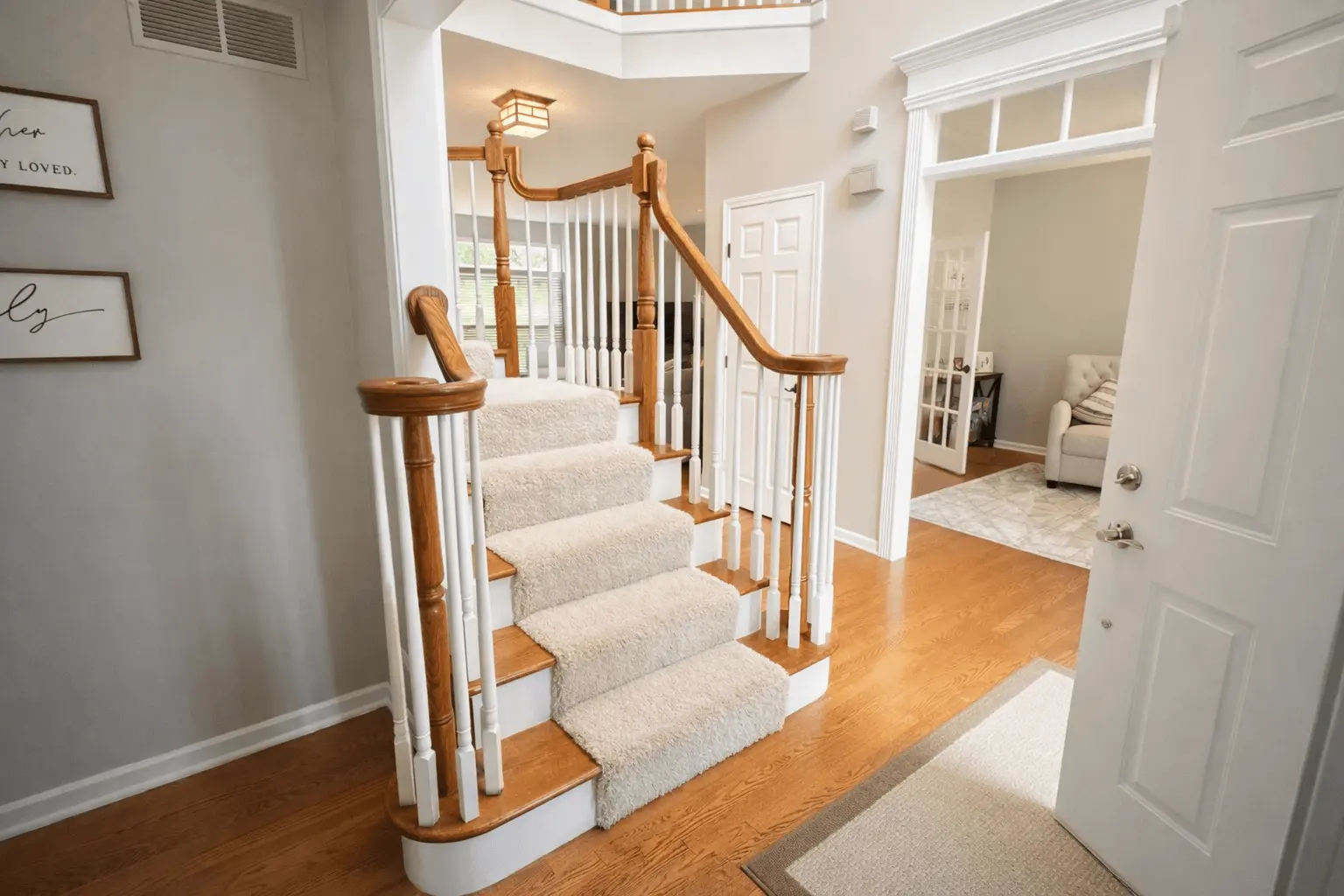
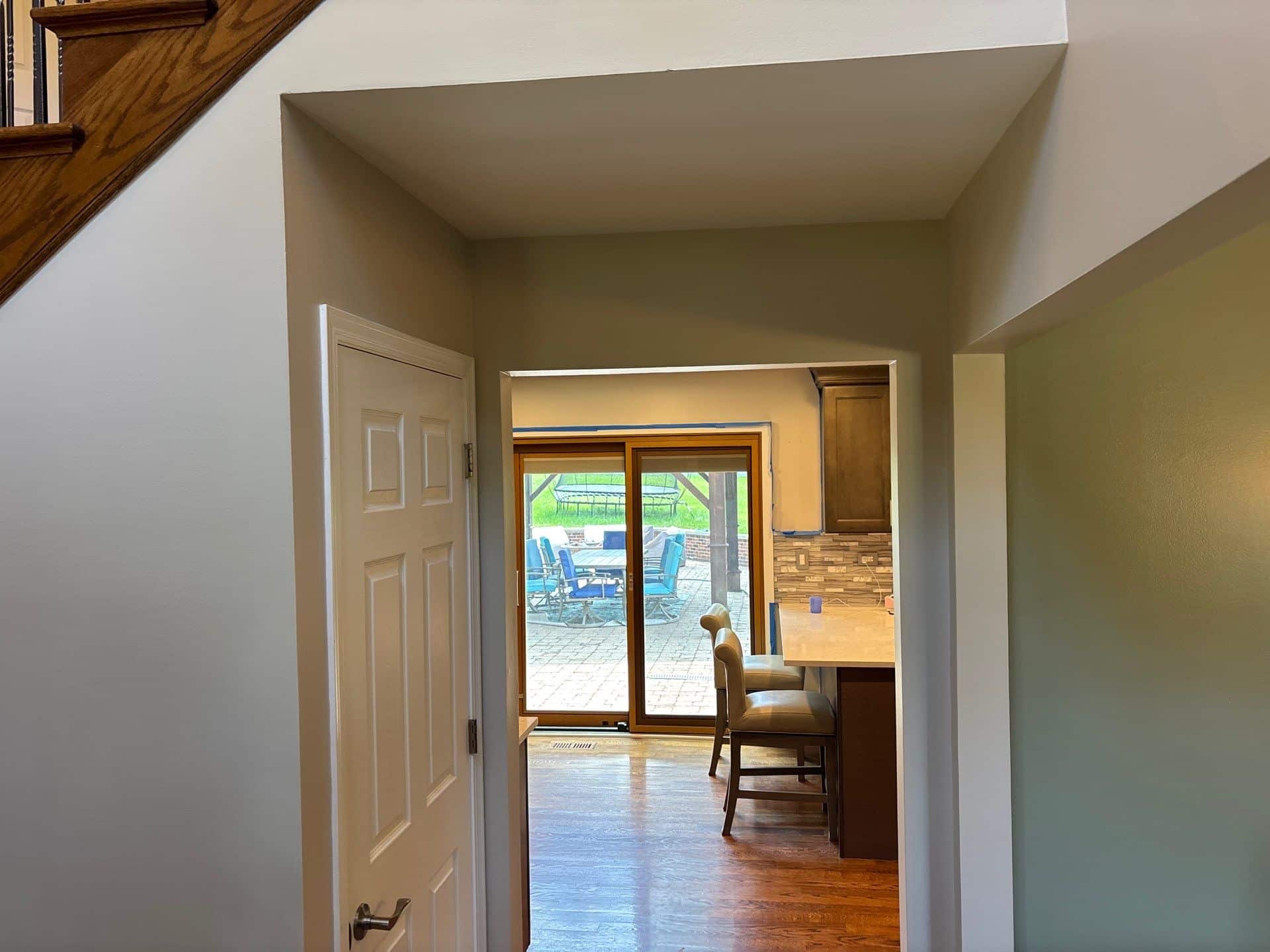
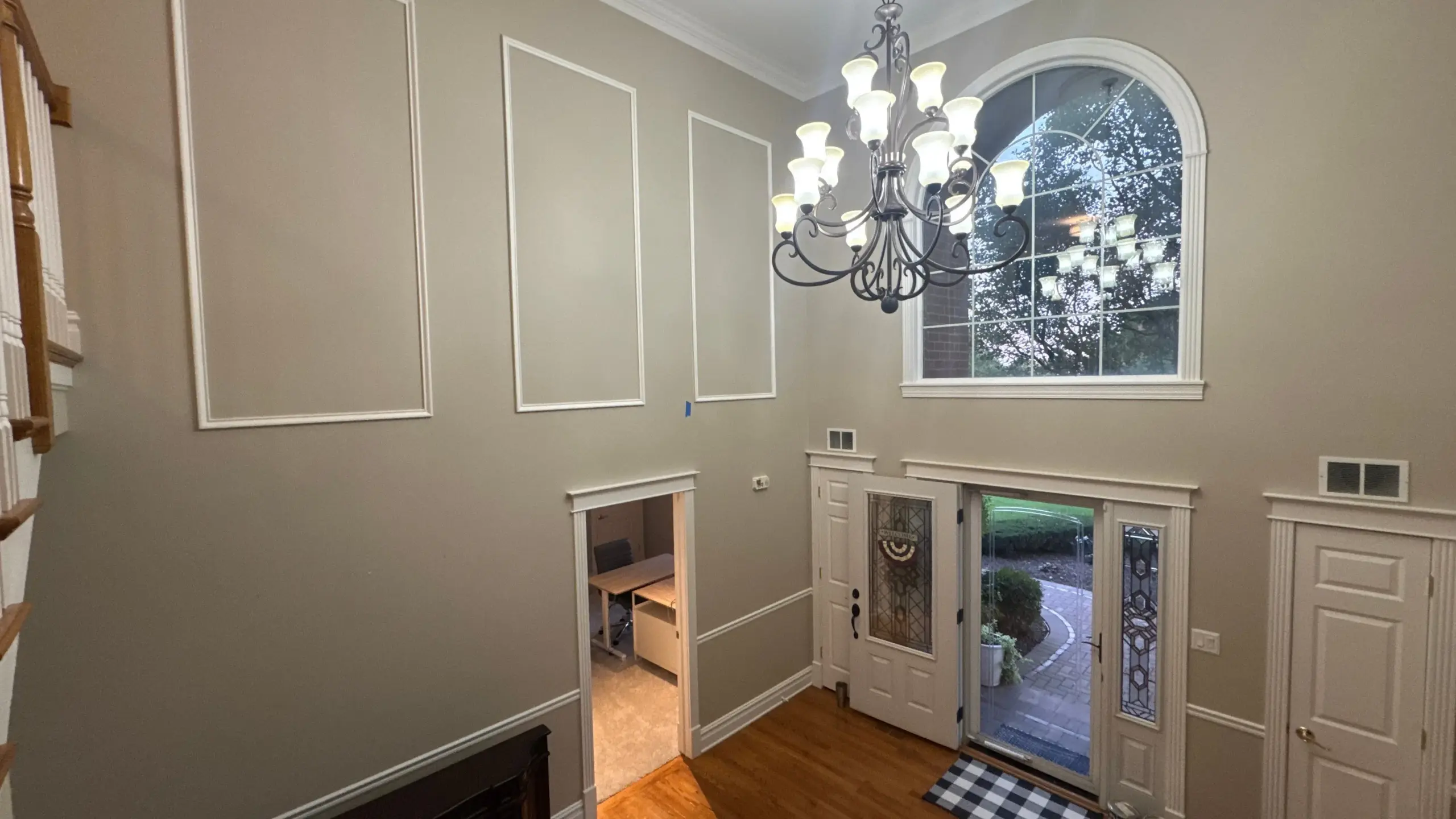
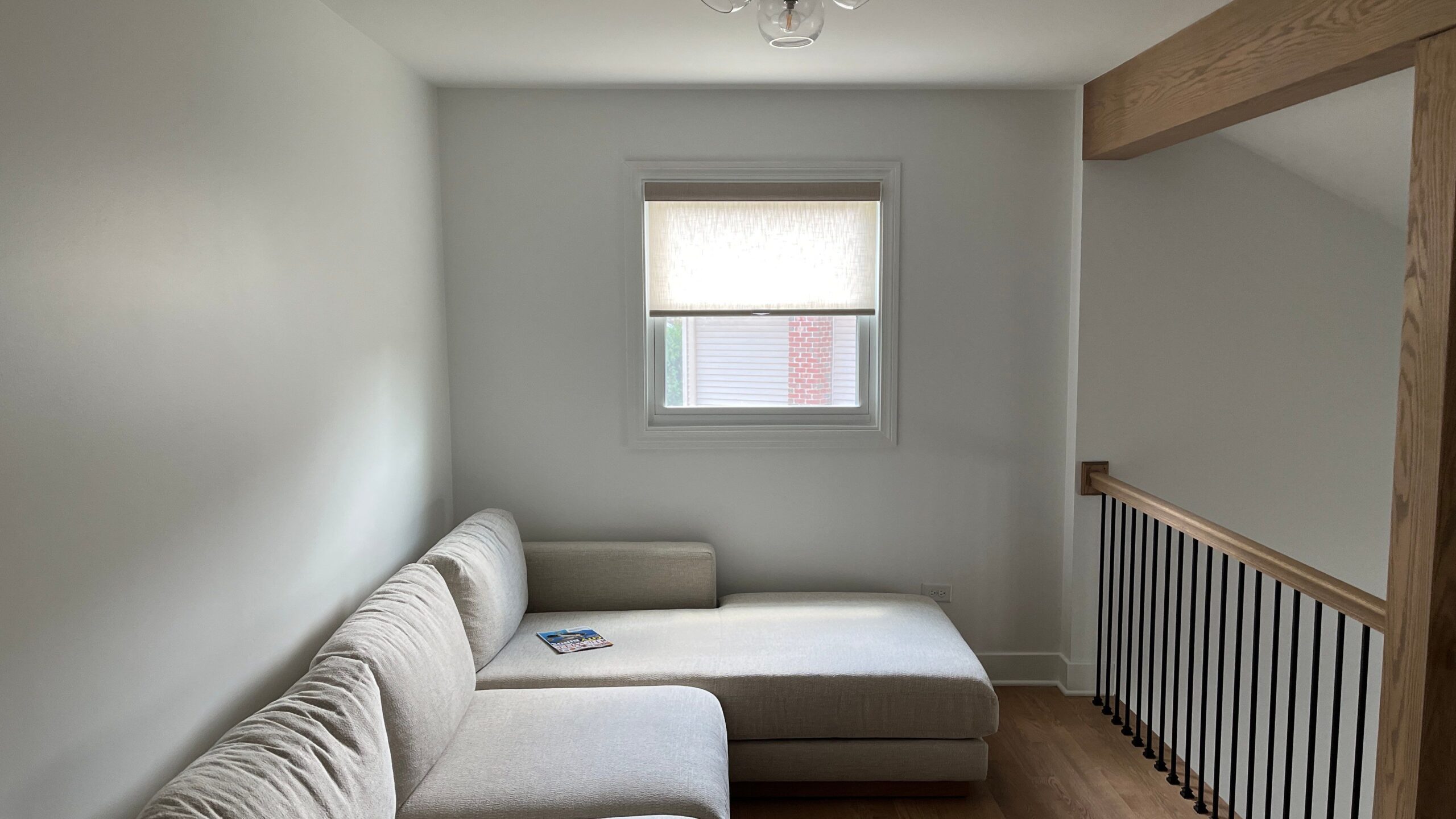
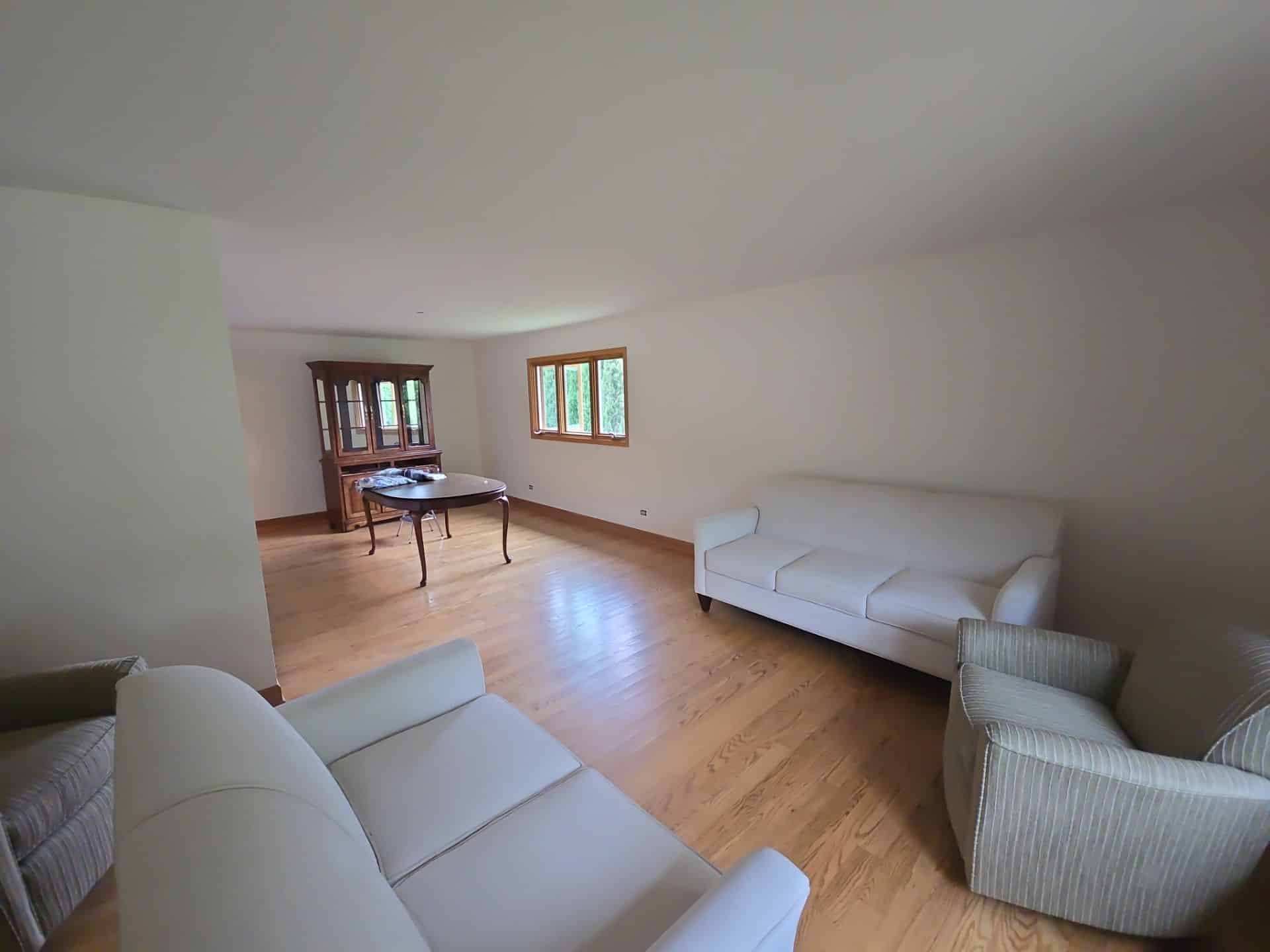
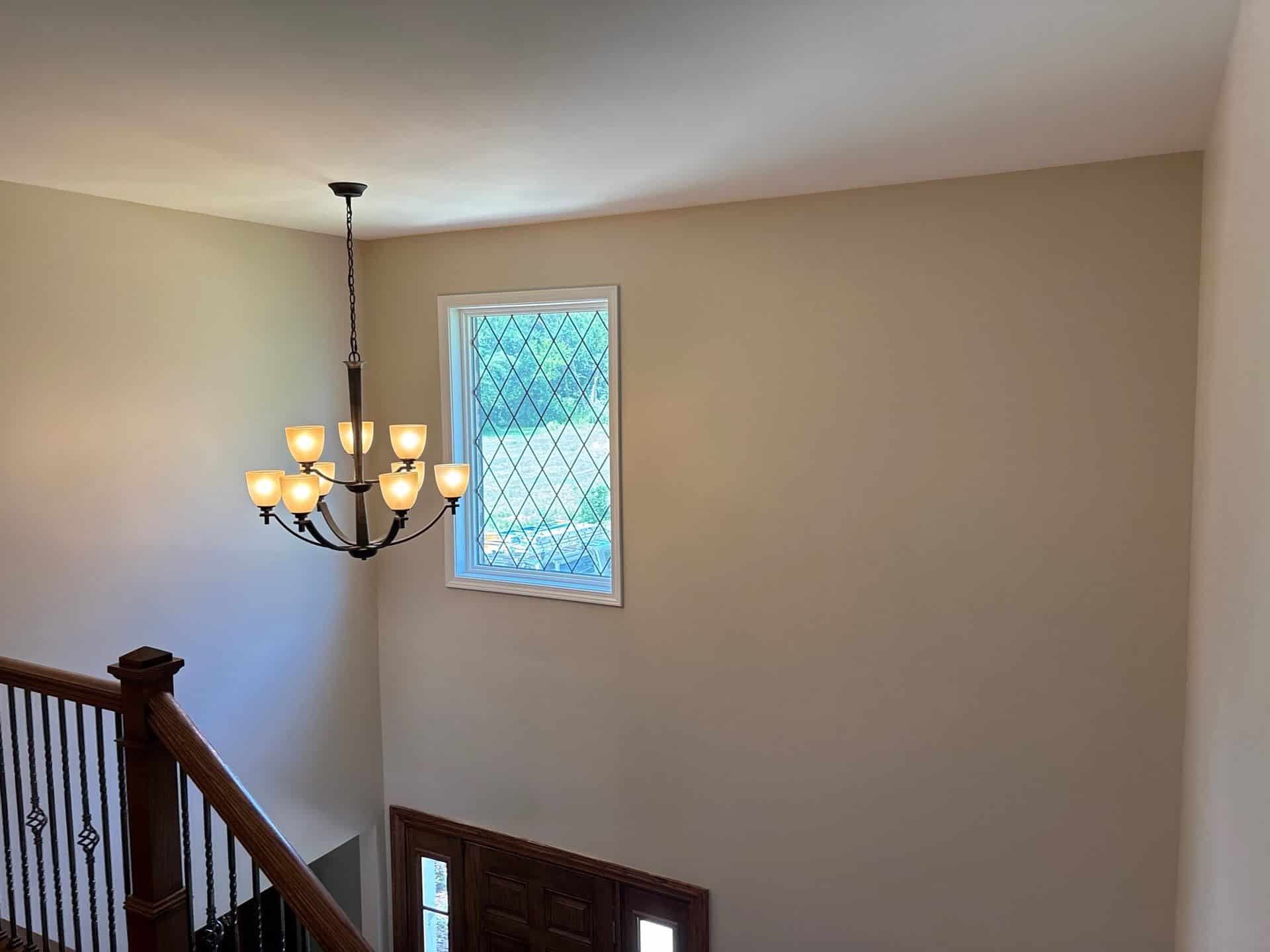
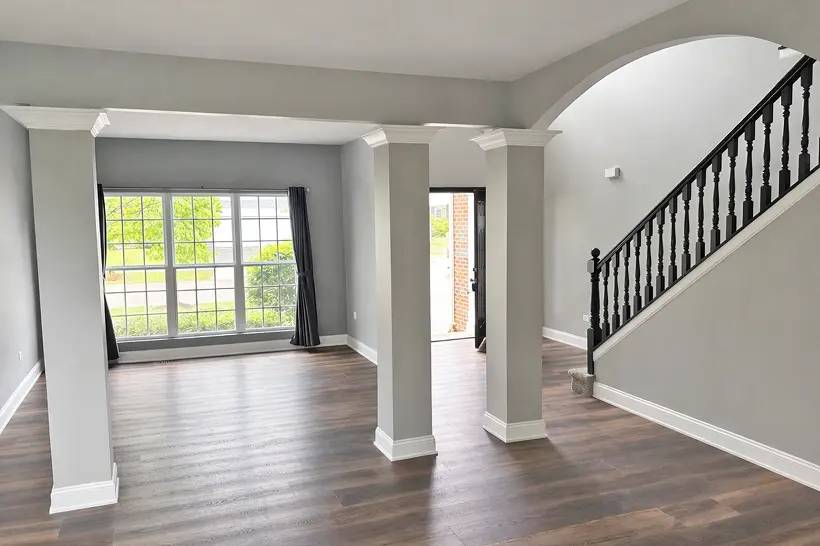
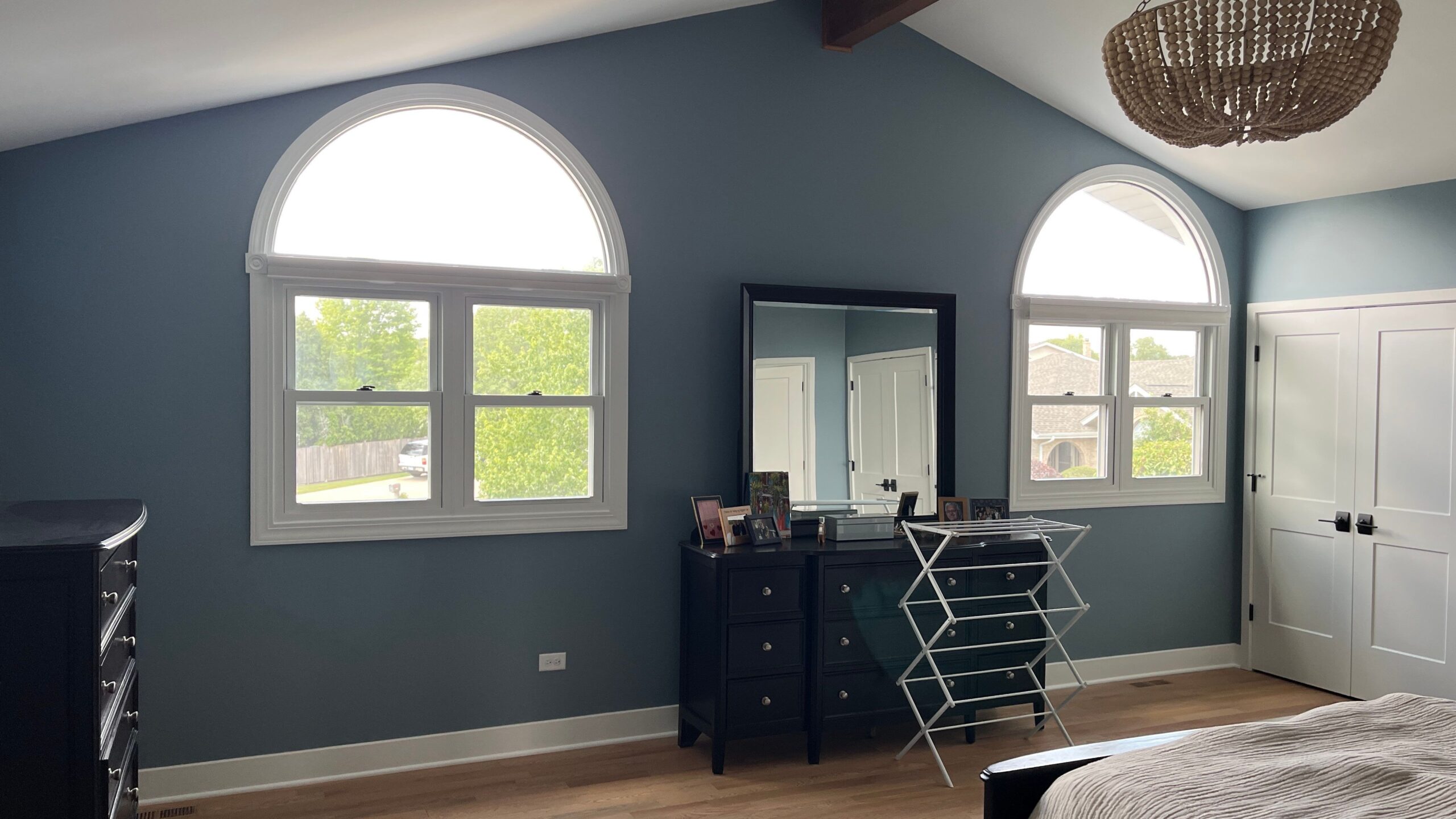
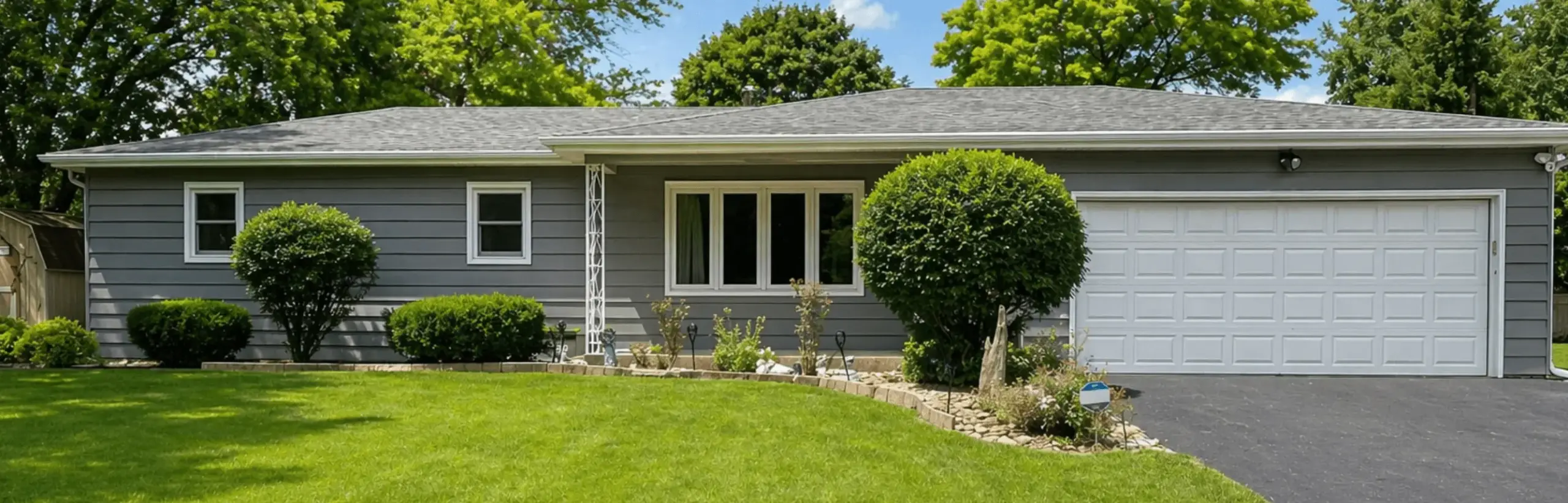
Recent examples of finishes, color direction, and surface types we discuss during drywall repair estimates.

Questions about timing or cost?
We can walk through preparation, access, and what affects your estimate before work begins.
Our process
How we approach drywall repair projects
- 01
Damage review
We evaluate hole size, crack pattern, texture, moisture history, and whether the issue is cosmetic or symptomatic of a larger problem.
- 02
Repair plan
The estimate defines patch method, texture expectations, priming, and whether finish painting of the full wall or ceiling is recommended.
- 03
Patch execution
Repairs are completed in controlled layers with drying time between stages when needed for a flatter plane.
- 04
Sanding and priming
Patched areas are sanded, cleaned, and spot primed to reduce flashing under finish coats.
- 05
Paint coordination
When included, surrounding walls or ceilings are painted to blend repairs into a more uniform appearance.
Planning
What affects cost and timeline
- Number, size, and location of repairs
- Depth of damage and need for backing or larger patches
- Texture matching requirements
- Whether finish painting is limited to spots or full surfaces
- Ceiling versus wall work and room height
- Discovery of moisture or recurring movement issues
Useful details
Drywall Repair FAQs
Can you repair a wall without painting the whole wall?
Sometimes, but touch-ups can flash because of color age, sheen, texture, and light. Full-wall painting often produces a more consistent result.
Do you repair water damage?
Cosmetic repair can be considered only after the moisture source is resolved and affected materials are safe and dry.
Can you match wall texture?
We assess texture matching during the estimate. Exact duplication is not always possible, especially with aged or hand-applied textures.
How long does a drywall repair take?
Size, depth, drying, texture, and painting affect timing. Some repairs require multiple stages or visits.
Do you handle major structural cracks?
No cosmetic repair should substitute for diagnosis of structural movement. Significant or recurring cracks may need another qualified professional first.
Start with a clear estimate
Planning drywall repair in West Michigan?
Tell us what you are planning. We’ll help define the right scope and next step for your property.